Date: Aug 20, 2026

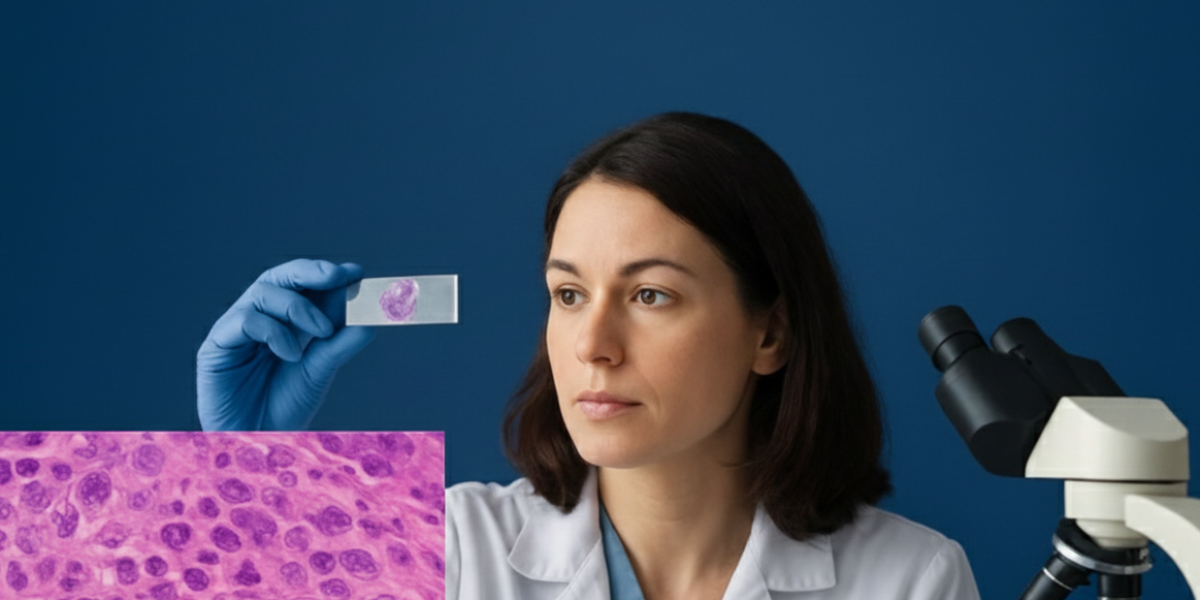
The global threat of antimicrobial resistance (AMR) has escalated into one of the defining medical challenges of our time. Pathogens, including bacteria, viruses, fungi, and parasites, are continuously evolving to withstand the pharmaceutical treatments designed to eradicate them. When standard frontline antibiotics fail, routine clinical procedures such as elective surgeries, chemotherapy treatments, organ transplants, and maternal care carry significantly higher risks of severe secondary infections. Preparing future physicians to lead the global fight against superbugs requires a fundamental shift toward rigorous antibiotic stewardship, precision diagnostics, and preventive medicine. Academic institutions dedicated to modern medical training, such as Abu Umara Medical & Dental College, Lahore, are restructuring their clinical curricula to equip aspiring doctors with the knowledge required to combat multi-drug-resistant infections.
The widespread overuse and misuse of broad-spectrum antibiotics across clinical practice and agricultural sectors have accelerated the natural mutation rate of common bacteria. Strains of methicillin-resistant Staphylococcus aureus (MRSA), carbapenem-resistant Enterobacteriaceae (CRE), and drug-resistant Pseudomonas aeruginosa are increasingly difficult to treat with conventional therapies.
When multi-drug-resistant bacteria invade vulnerable hospital patients, mortality rates rise, hospital stays lengthen, and medical costs surge. Furthermore, the pharmaceutical pipeline for new antibiotic classes remains slow, meaning physicians cannot simply rely on new drugs to resolve resistance crises. Modern medical students must therefore learn to treat current antimicrobial reserves as non-renewable resources that require careful, evidence-based preservation.
Combating antimicrobial resistance requires future physicians to embrace strict antibiotic stewardship principles throughout their daily clinical practice.
Instead of prescribing empirical broad-spectrum antibiotics for uncomplicated fevers or mild respiratory illnesses, doctors must utilize rapid diagnostic assays to confirm bacterial pathogens before initiating treatment. Selecting narrow-spectrum antibiotics tailored specifically to a pathogen's sensitivity profile minimizes off-target resistance pressure and preserves human microbiome integrity.
Education in antibiotic stewardship also emphasizes prescribing correct dosages and durations. Over-prescribing or maintaining unnecessary antibiotic courses increases selective pressure, allowing resistant bacterial populations to multiply. Medical applicants interested in pursuing rigorous clinical training can consult the comprehensive Admission Guide to understand the academic standards and entry pathways for leading medical programs.
Modern medical education recognizes that human health does not exist in isolation from animal health and environmental ecosystems. The "One Health" framework teaches future doctors how antibiotic overuse in livestock farming, industrial runoff, and poor wastewater sanitation contribute directly to the spread of resistant genes in urban communities.
Medical students must learn to analyze epidemiological data through this holistic framework to understand how resistance genes spread across human populations. Understanding environmental reservoirs of resistant pathogens enables doctors to collaborate effectively with public health officials, veterinarians, and infectious disease specialists to implement broader containment strategies.
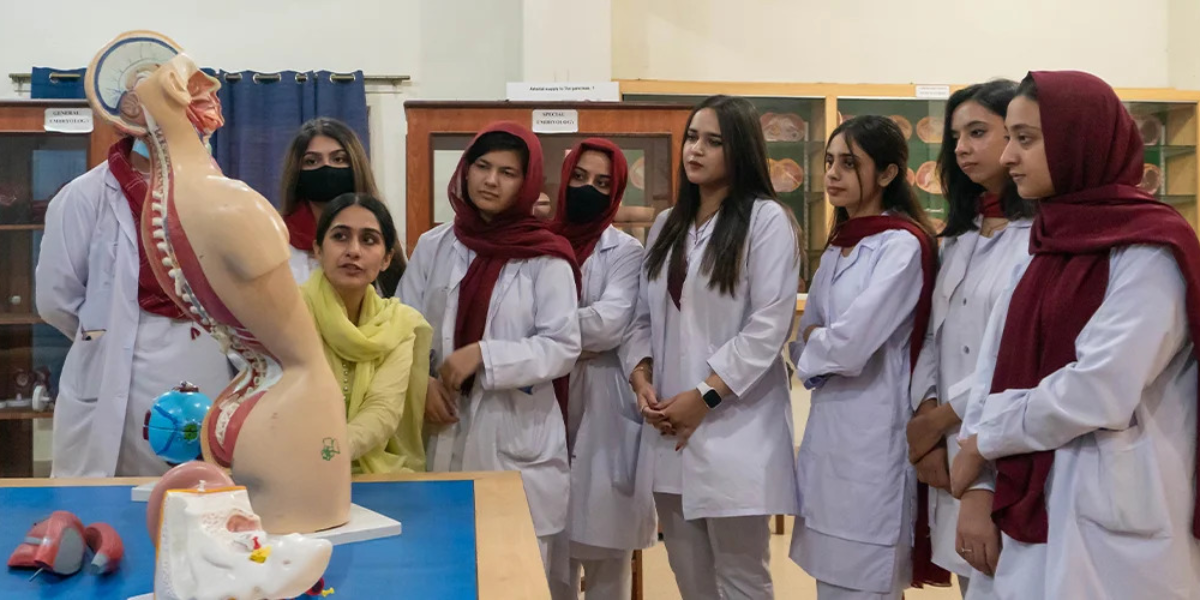
Building a generation of physicians capable of managing antimicrobial resistance requires substantial institutional investment in clinical microbiology labs, infectious disease research, and advanced pharmacology training.
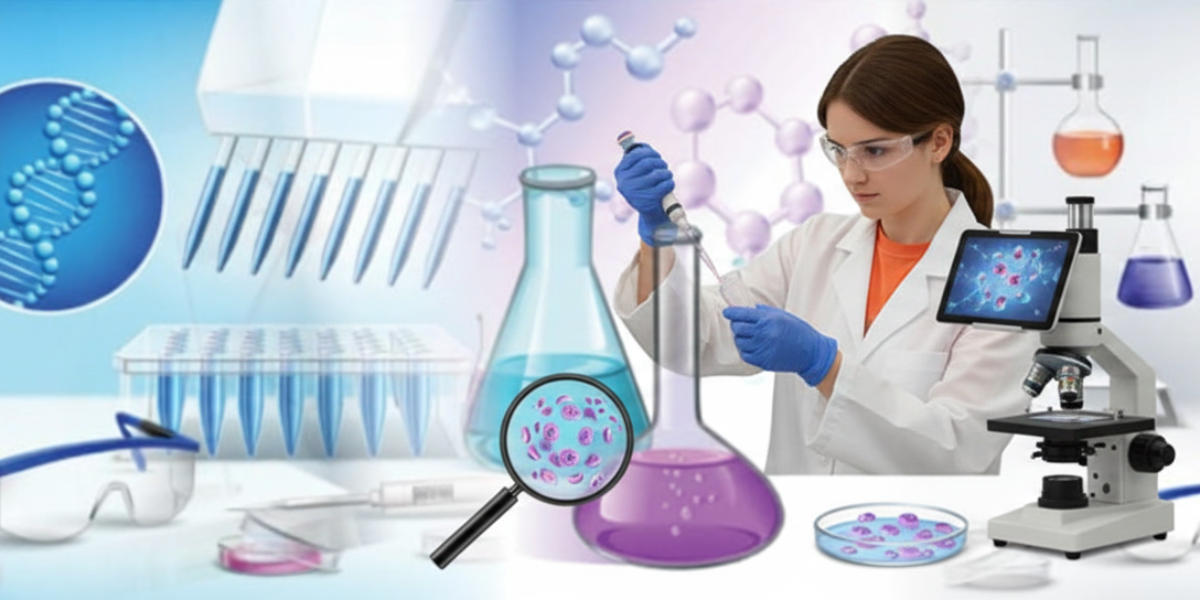
Top-tier medical colleges ensure that students receive hands-on training in interpreting culture and sensitivity reports, applying hospital infection control protocols, and using molecular diagnostic tools. Aspiring healthcare professionals exploring modern academic programs and facility standards can review the published Fee Structure to plan their higher education journey in medicine.
Antimicrobial resistance represents a major threat to global public health, but well-trained, vigilant physicians serve as the ultimate line of defense. By prioritizing rational antibiotic prescribing, integrating rapid diagnostic testing, and advocating for strict hospital infection control, the next generation of doctors can effectively curb the rise of superbugs. Embracing comprehensive medical education today ensures that future physicians remain fully prepared to safeguard modern medicine and protect patient lives for generations to come