Date: Aug 01, 2026
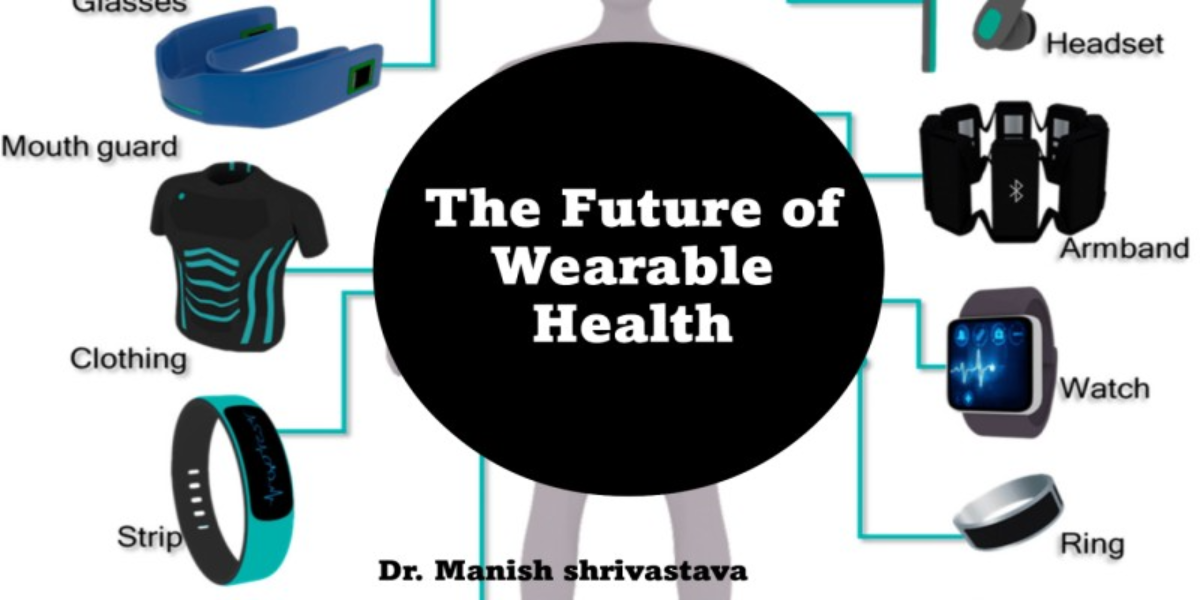
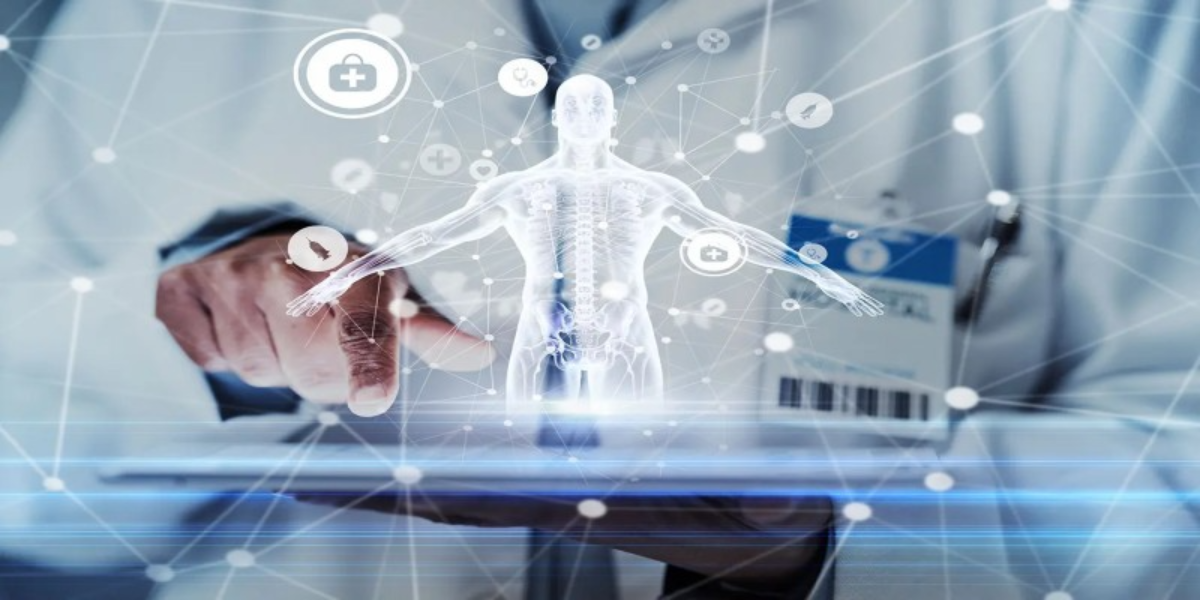
Healthcare delivery is undergoing a profound digital transformation driven by the rapid evolution of medical technology. Smartwatches, continuous glucose monitors, smart rings, and clinical-grade wearable sensors are shifting medicine from a reactive discipline into a proactive, data-driven science. For medical students and future physicians entering the healthcare landscape, wearable technology is no longer a peripheral consumer trend. It is becoming an essential component of clinical diagnosis, chronic disease management, and preventative patient care. Institutions at the forefront of modern medical education, such as Abu Umara Medical & Dental College, Lahore, are preparing future doctors to lead this technological evolution by emphasizing evidence-based practice and digital clinical competencies.
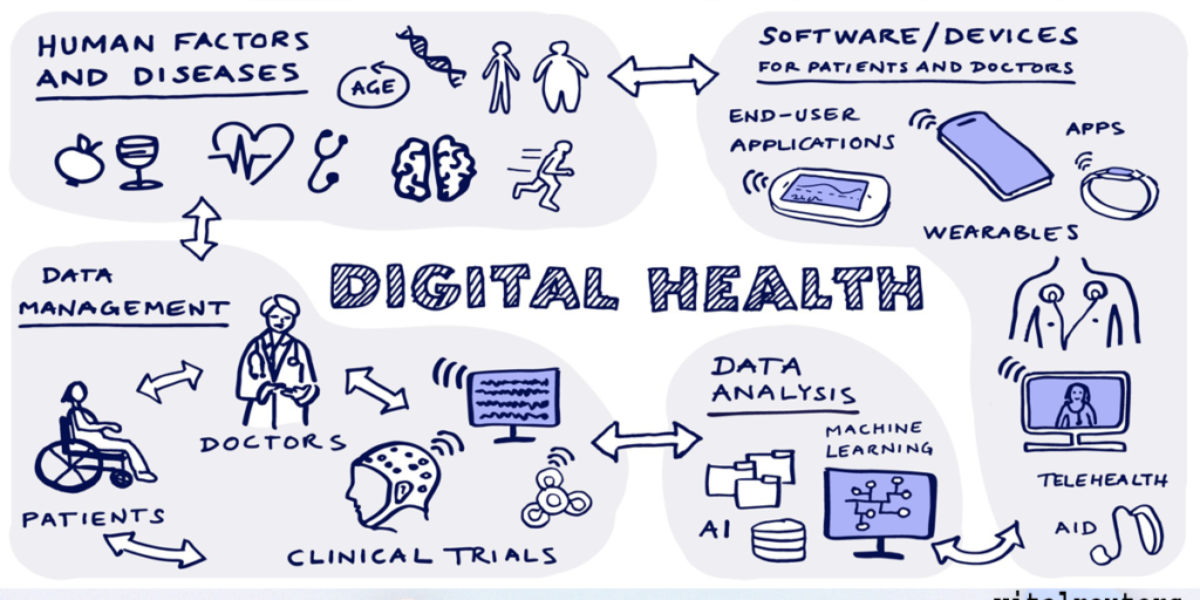
Wearable health technology has evolved far beyond basic step counters and consumer fitness trackers. Today’s clinical-grade devices collect real-time, continuous physiological data that provides an unprecedented view into a patient's daily health status outside traditional hospital settings.
Modern wrist-worn wearables feature multi-lead electrocardiogram sensors capable of detecting silent atrial fibrillation, micro-arrhythmias, and subtle heart rate variability during normal daily activities. Biosensors and continuous glucose monitors allow real-time tracking of interstitial glucose dynamics, helping prevent acute metabolic crises in diabetic patients and offering deeper insights into metabolic syndrome.
Photoplethysmography sensors actively measure continuous blood oxygen saturation dynamics, aiding in the early detection of nocturnal hypoxia, sleep apnea, and acute respiratory distress. Furthermore, specialized wristband and footwear sensors measure subtle tremors, gait instability, and motor fluctuations in patients living with Parkinson's disease or recovering from a stroke.
The continuous stream of data generated by wearable technology fundamentally alters the traditional physician-patient dynamic. Instead of relying solely on periodic, single-point-in-time laboratory tests or brief office visits, future doctors will analyze longitudinal health trends across months or years.
Evaluating continuous data streams allows clinicians to spot early physiological deterioration days or weeks before a patient experiences acute clinical symptoms. For medical applicants seeking to enter this rapidly advancing field, reviewing the Admission Guide provides insight into entering accredited programs designed to foster forward-thinking medical professionals.
This continuous physiological monitoring enables physicians to transition from episodic care to continuous care models. When clinical decision support systems flag subtle anomalies in a patient's baseline metrics, doctors can adjust medication dosages, suggest lifestyle modifications, or order targeted diagnostic testing before an emergency arises.
While the clinical potential of wearable devices is immense, future doctors must also navigate significant technical, diagnostic, and ethical hurdles associated with ubiquitous health tracking.
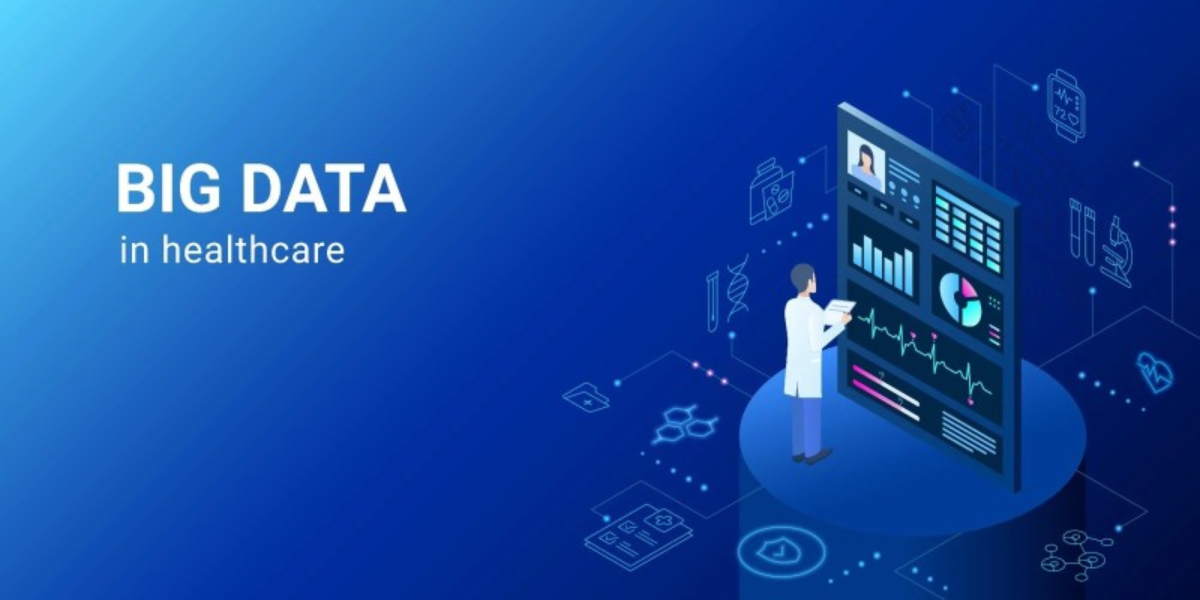
Managing massive amounts of raw time-series data per patient requires physicians to rely on specialized clinical decision support systems and artificial intelligence algorithms to filter meaningful signal from baseline noise. Distinguishing true biological anomalies from motion artifacts, loose sensors, or consumer-grade calibration errors is essential to prevent unnecessary medical testing, incorrect prescriptions, or heightened patient anxiety.
Patient-generated health data transmitted across cloud networks must strictly comply with health privacy standards to protect sensitive medical information from cyber vulnerabilities. Additionally, ensuring equal access to advanced health technology across all socioeconomic backgrounds remains a vital responsibility for equitable healthcare delivery.
To utilize wearable technology effectively without compromising clinical judgment, medical students must cultivate specific core competencies alongside traditional physical examination and diagnostic skills.
Future physicians must develop strong data literacy and an understanding of biostatistics to interpret how clinical algorithms process real-time biometric trends. They must also refine their patient communication skills to translate complex continuous metric data into actionable, empathetic health advice that patients can easily understand and implement.
Navigating patient data ownership, remote monitoring consent, and liability when managing real-time biometric alerts requires sound ethical judgment and thorough training. Investing in high-quality medical education is the foundational step toward mastering these modern clinical demands. Prospective students evaluating top-tier medical education options can review the transparent Fee Structure to plan their academic path in medicine.
The rise of wearable health technology marks a pivotal shift toward personalized, predictive, and preventative medicine. Future doctors who master both traditional clinical expertise and digital data literacy will lead the next generation of healthcare delivery, ensuring that technology enhances patient outcomes without diminishing the human touch essential to compassionate care. Embracing these technological advancements today prepares aspiring medical professionals to deliver superior, data-driven patient care throughout their careers