Date: May 08, 2026
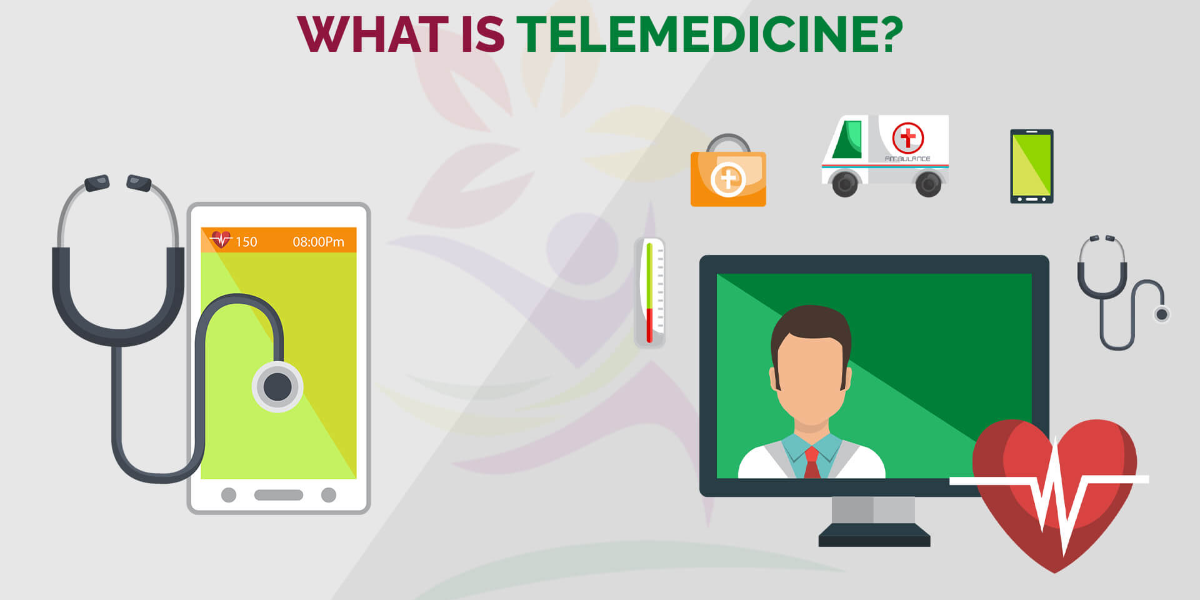
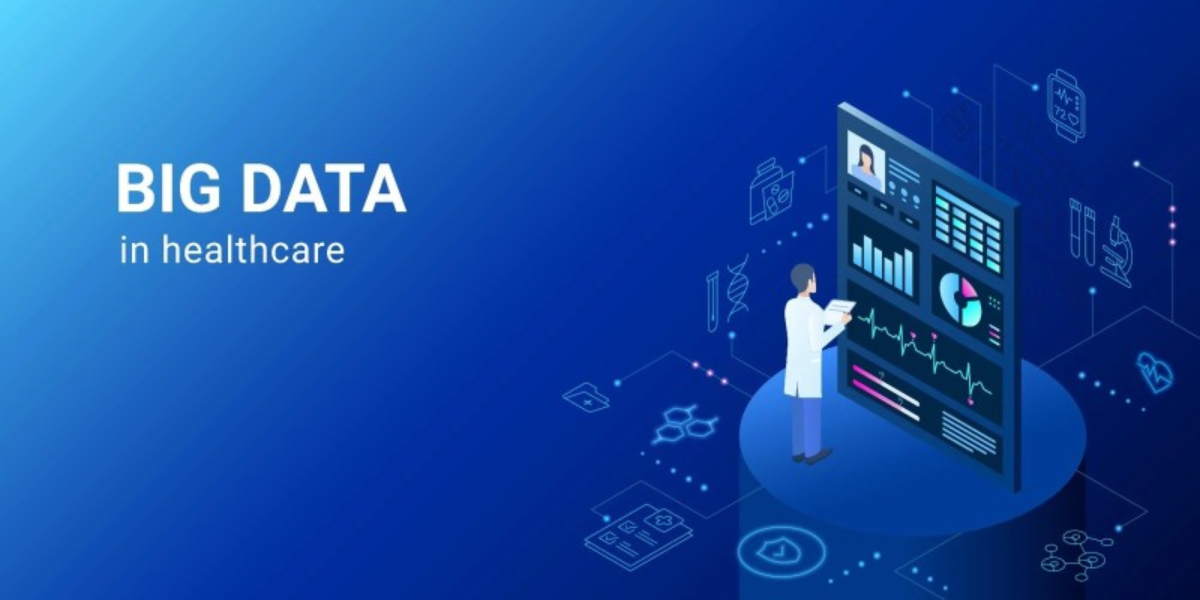
The global landscape of healthcare underwent a radical shift during the COVID-19 pandemic, and Pakistan was no exception. For a country where the doctor-to-patient ratio has traditionally been a challenge, the sudden necessity of social distancing paved the way for a digital health revolution. What started as an emergency measure to consult doctors during lockdowns has now matured into a robust ecosystem of virtual clinics and digital diagnostics. Telemedicine is no longer just a temporary fix; it is becoming a permanent pillar of the national healthcare strategy, offering a glimpse into a future where quality medical advice is just a click away for millions.
Major urban centers like Lahore have become the testing grounds for this digital shift. With the rise of high-speed internet and smartphone penetration, patients are increasingly opting for video consultations for follow-ups, mental health support, and general physician advice. This shift is reducing the immense burden on the physical infrastructure of tertiary care hospitals.
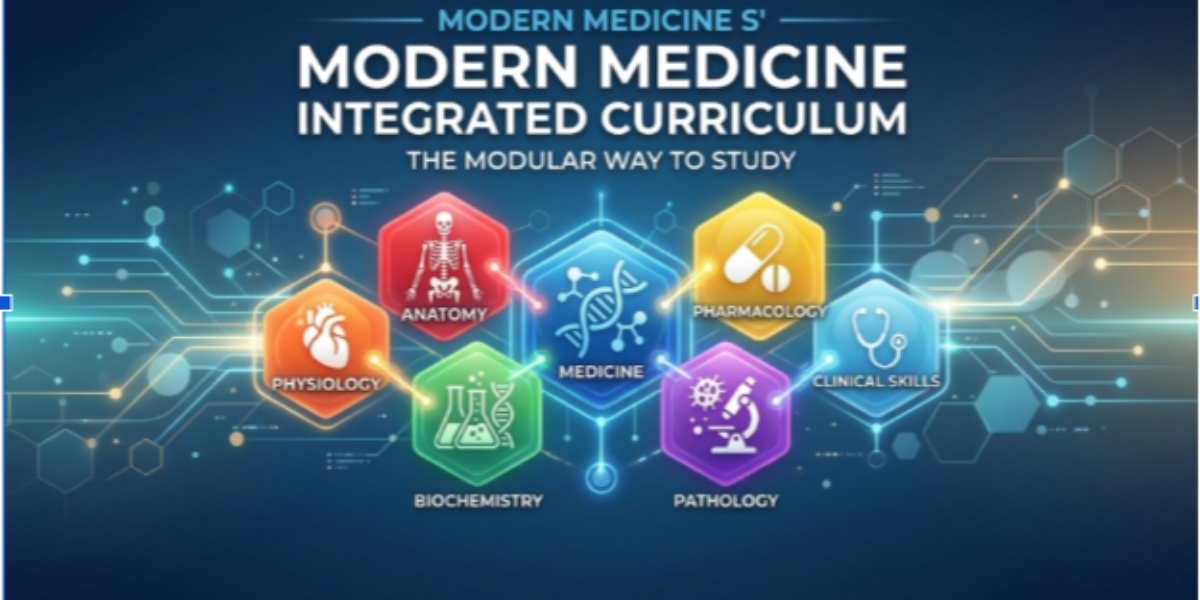
By leveraging cloud-based platforms, doctors in Lahore can now extend their expertise to the most remote corners of South Punjab or the mountainous regions of the North. This democratization of healthcare is one of the most significant opportunities presented by the post-pandemic era. Students and professionals can see the foundational training required for such advanced systems by exploring the Program Structure at our institution, which prepares future doctors for a tech-integrated world.
Despite the rapid growth, the journey is not without hurdles. To fully realize the potential of digital health in Pakistan, several challenges must be addressed:
Aspiring medical professionals who wish to lead this digital change should understand the entry points into modern medical education. The Admission Guide provides all the necessary information for students who want to be part of this healthcare evolution.
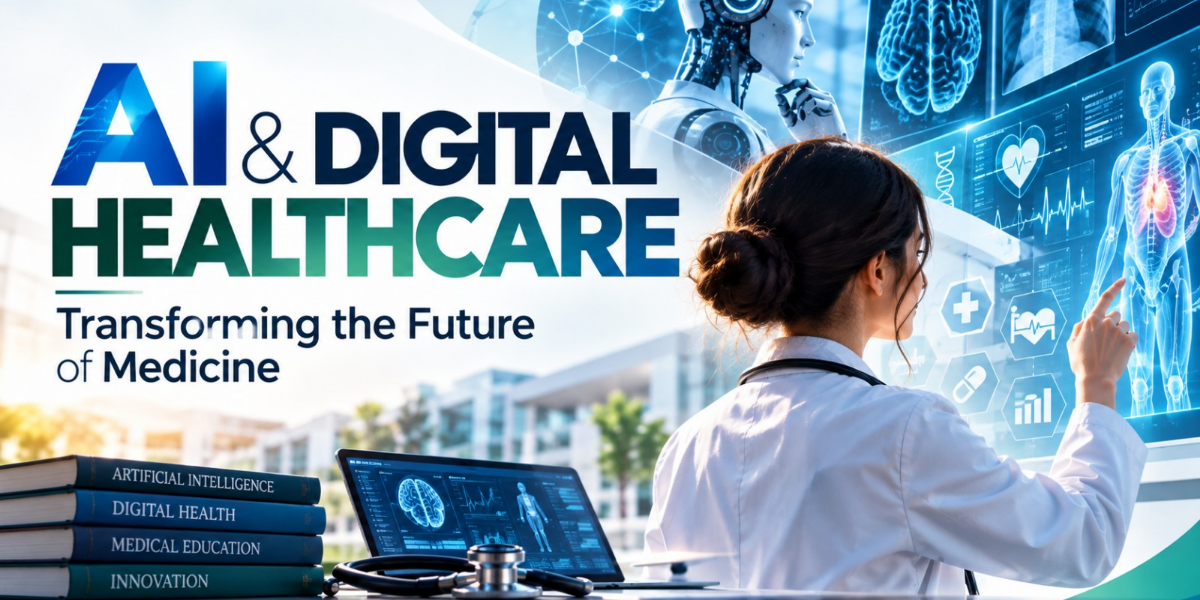
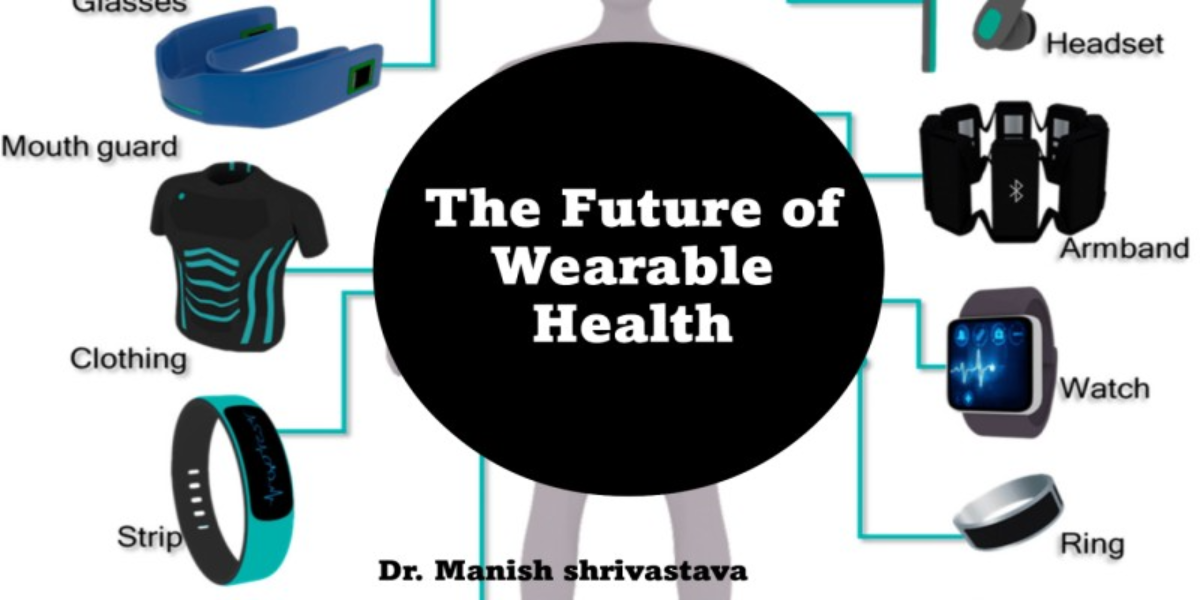
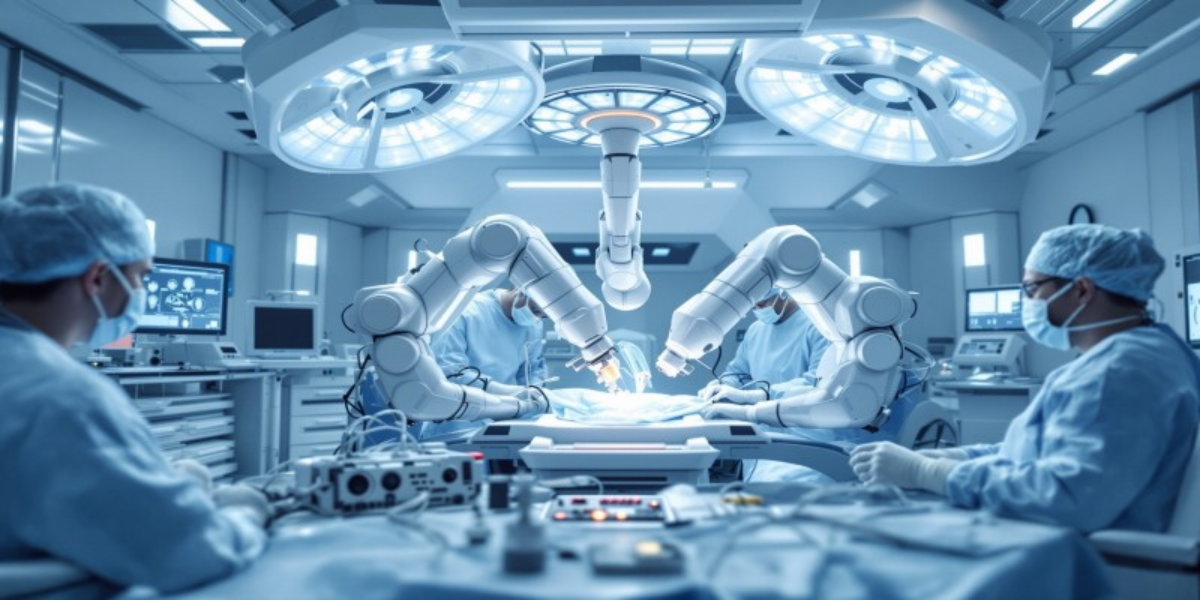
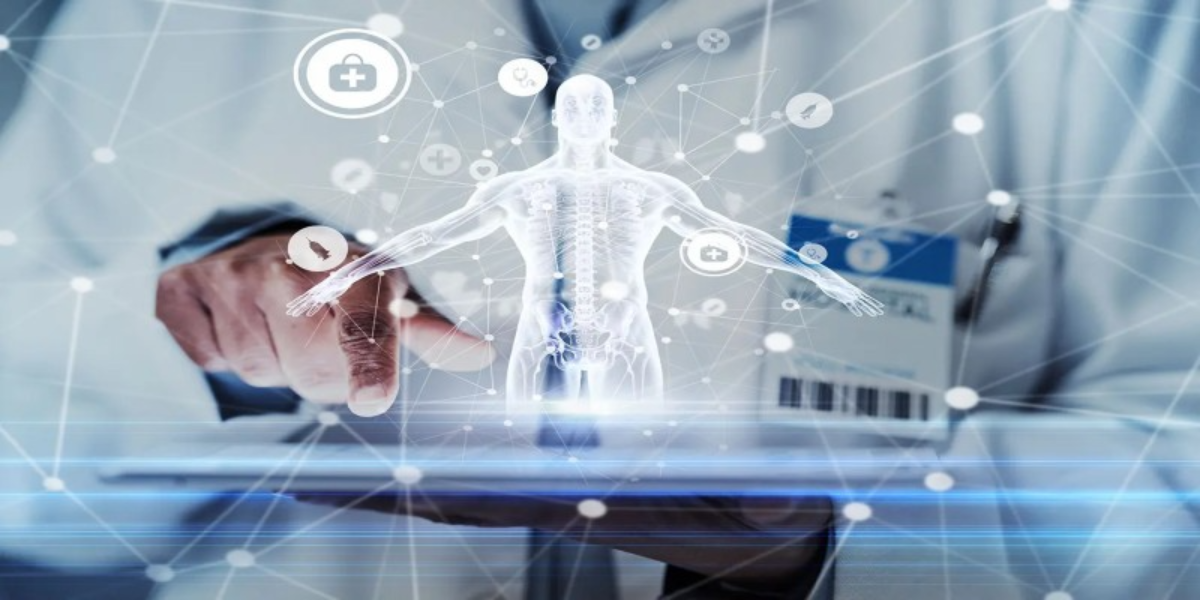
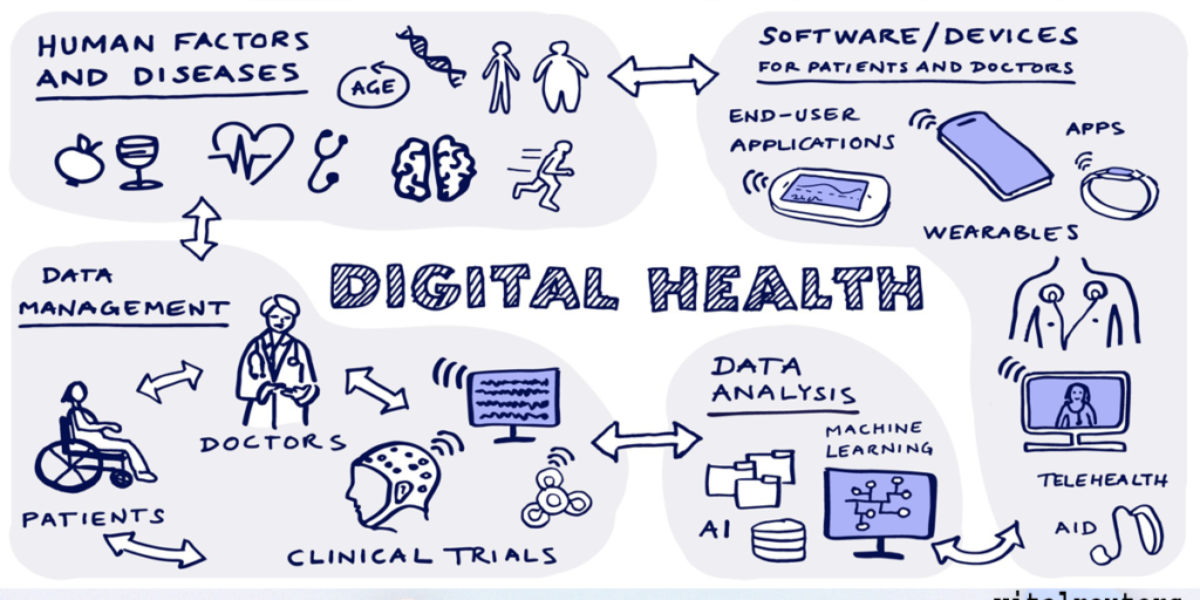
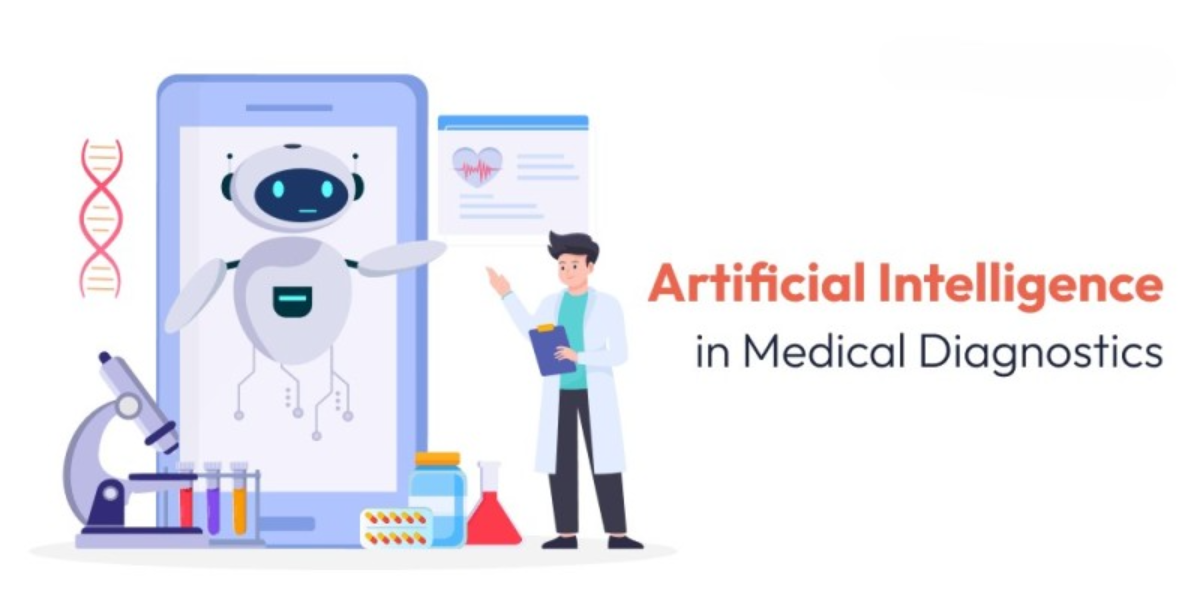
The next phase of telemedicine in Pakistan involves the integration of Artificial Intelligence (AI) and wearable technology. Imagine a "smart" patch that sends a patient’s heart rate directly to their doctor’s dashboard in real-time. These innovations will turn telemedicine from a simple video call into a comprehensive "Hospital at Home" model.
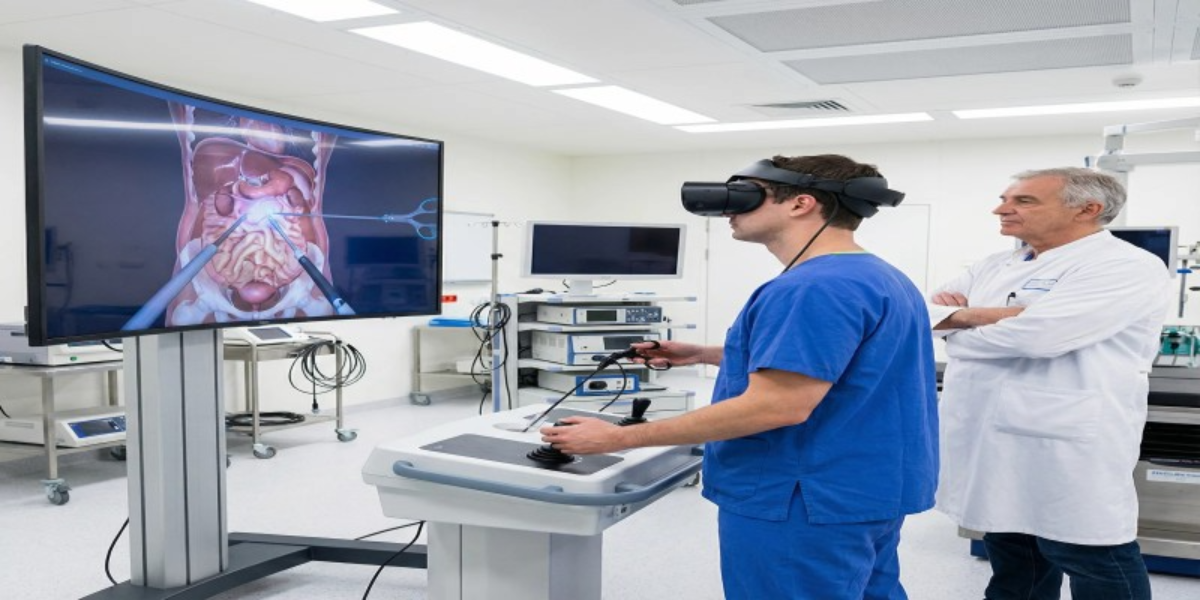
For the medical students of today, mastering these digital tools is no longer optional. The future doctor must be as comfortable with a digital interface as they are with a stethoscope. By embracing these opportunities and solving the infrastructure challenges, Pakistan can build a healthcare system that is resilient, inclusive, and technologically advanced.
The rise of telemedicine has provided Pakistan with a unique opportunity to leapfrog traditional healthcare barriers. While the challenges of infrastructure and regulation remain, the success seen in cities like Lahore proves that the public is ready for a digital-first approach. By combining the empathy of traditional medicine with the efficiency of modern technology, we can ensure that every citizen, regardless of their location, has access to the care they deserve.
To stay updated with the latest in digital health and medical innovations, make sure to visit our blogs section regularly