Date: Apr 20, 2026
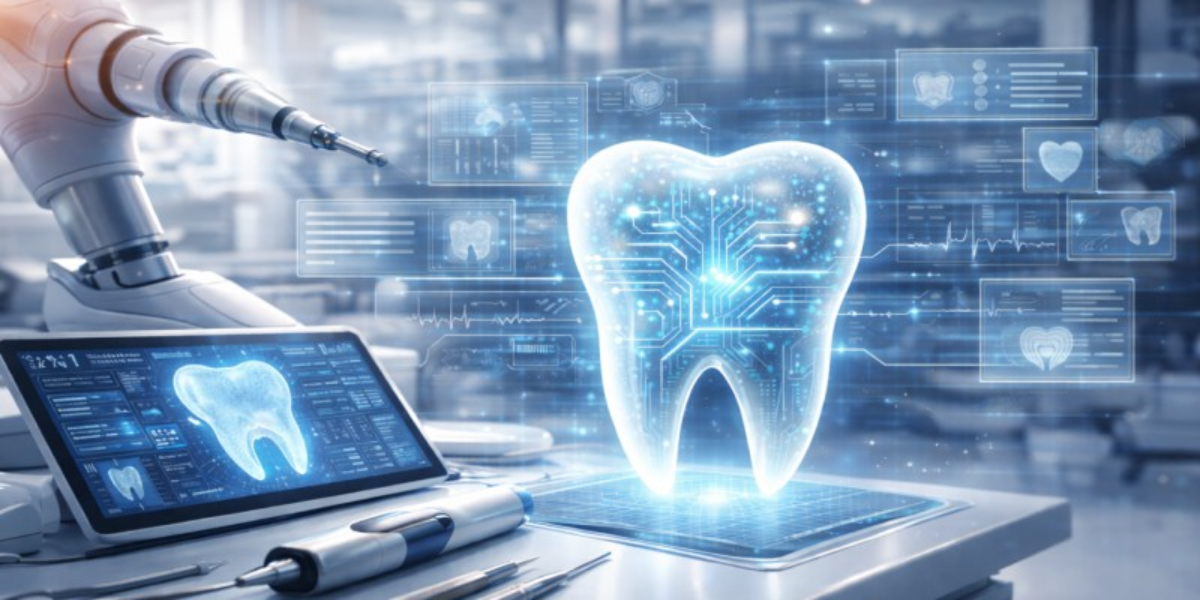
The landscape of oral healthcare is undergoing a radical shift. Gone are the days of manual molds, physical dental impressions, and prolonged waiting periods for lab results. In 2026, the fusion of Digital Dentistry and Artificial Intelligence (AI) has created a "Golden Age" of precision, where the margin for human error is shrinking, and the focus on patient comfort is at an all-time high.
Digital dentistry refers to the use of dental technologies or devices that incorporate digital or computer-controlled components to carry out dental procedures. Unlike traditional dentistry, which relies on mechanical or electrical tools alone, digital dentistry leverages high-speed computing to diagnose, plan, and execute treatments.
This evolution is not just about replacing old tools; it is about creating a fully integrated ecosystem where data flows seamlessly from the initial scan to the final restoration.
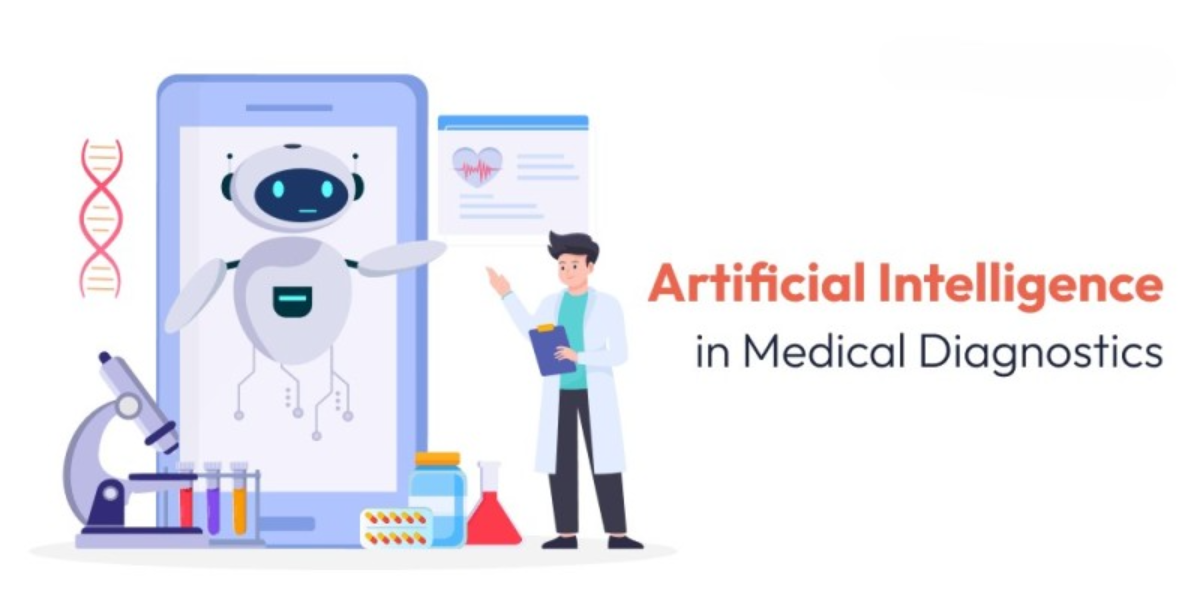
To understand the future, we must first define AI as it applies to a dental clinic. AI is a branch of computer science that simulates human intelligence. In dentistry, this primarily manifests through:
AI acts as a permanent consultant for the dentist, providing a second opinion that is data-driven, unbiased, and incredibly fast.
To appreciate how these technologies work, we must look at the physical tools that make the digital workflow possible:
Traditional impressions involve "putty" that can be uncomfortable and cause gag reflexes. Intraoral scanners are small handheld wands that project light onto the teeth to create a high-definition 3D digital model. These models are 100% accurate and can be sent to a laboratory or a 3D printer instantly.
Computer-Aided Design (CAD) and Computer-Aided Manufacturing (CAM) allow for the creation of crowns, veneers, and bridges in-house. The dentist designs the restoration on a screen (CAD), and a milling machine carves it from a ceramic block (CAM) in minutes.
3D printing is perhaps the most versatile tool in modern clinics. It is used to manufacture:
CBCT is a specialized X-ray that provides a 3D view of the teeth, soft tissues, nerve pathways, and bone. This is the foundation of modern implantology, allowing dentists to plan a surgery digitally before touching the patient.
The integration of AI into these digital tools has led to several high-impact use cases:
The transition to a tech-driven clinic offers immense advantages. For students and future professionals, institutions like Abu Umara Medical & Dental College are leading the way by integrating these modern perspectives into their curriculum.
Digital tools eliminate the "human factor" in many technical steps. For example, a digitally milled crown fits the margin of a tooth much more tightly than a hand-cast crown, reducing the risk of future decay.
Patient comfort is the biggest winner. Shorter appointment times, "same-day" dentistry, and the elimination of messy molds make the dental office a far less intimidating place.
By analyzing years of patient data, AI can predict which patients are at higher risk for gum disease or tooth loss, allowing for personalized preventive care. This is the shift from "Repair" to "Prevention."
Digital workflows reduce the need for physical materials like plaster, chemical developers for X-rays, and plastic impression trays, creating a more sustainable practice.
Despite the benefits, the road to a fully digital clinic has hurdles:
In this new era, the dentist’s role is evolving into that of a "Digital Strategist." Clinical skills are still the foundation, but the ability to manage and interpret data is now equally important. Aspiring dentists should focus on developing these tech-centric skills early in their careers. For those ready to join this exciting field, checking a comprehensive Admission Guide is essential to understand the modern requirements of dental education.
By 2030, we expect to see even more integration:
Digital Dentistry and AI are not just adding new features to an old profession; they are rewriting the rules of what is possible. By embracing these technologies, we are moving toward a future where dental healthcare is more accessible, more accurate, and more human-centric than ever before.
The stethoscope of the future for a dentist is no longer just a mirror and a probe—it is a digital wand and an AI algorithm