Date: Mar 28, 2026

Introduction
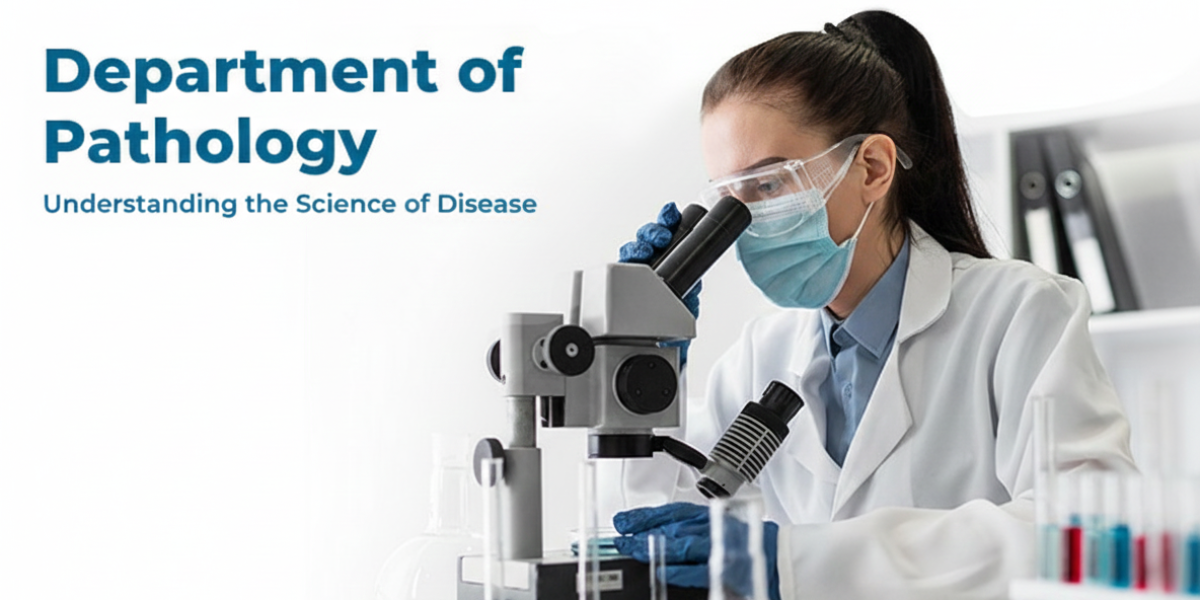
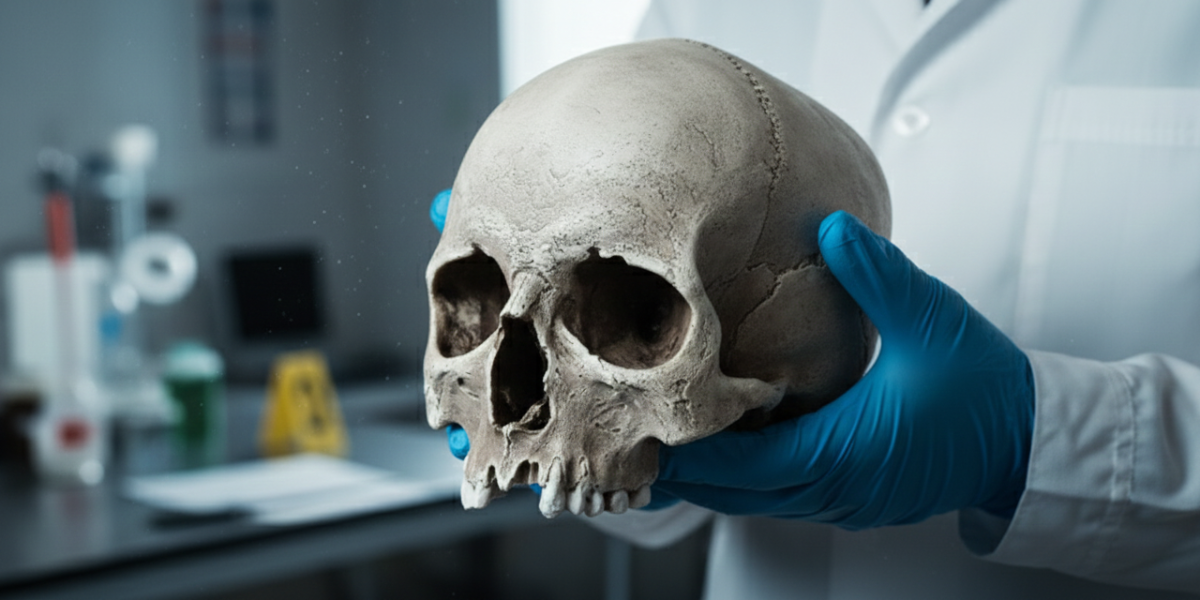
The Department of Pathology plays a crucial role in training medical professionals to understand diseases at the cellular and molecular level. Pathologists are the backbone of modern medicine, providing diagnoses, guiding treatments, and contributing to medical research.
If you aspire to become a pathologist, it is important to understand the clear steps required to build a successful career, starting from high school and progressing all the way to professional licensing. Pathology combines medical knowledge, laboratory skills, and analytical thinking, making it an ideal career for those who enjoy problem-solving and scientific investigation.
The first step to becoming a pathologist is excelling in high school, especially in subjects like biology, chemistry, and physics. Strong grades in these subjects help prepare students for the demanding curriculum of medical school.
Participating in science clubs, medical camps, or research projects can also strengthen your foundation and demonstrate early interest in medical sciences, which will be valuable when applying to colleges.
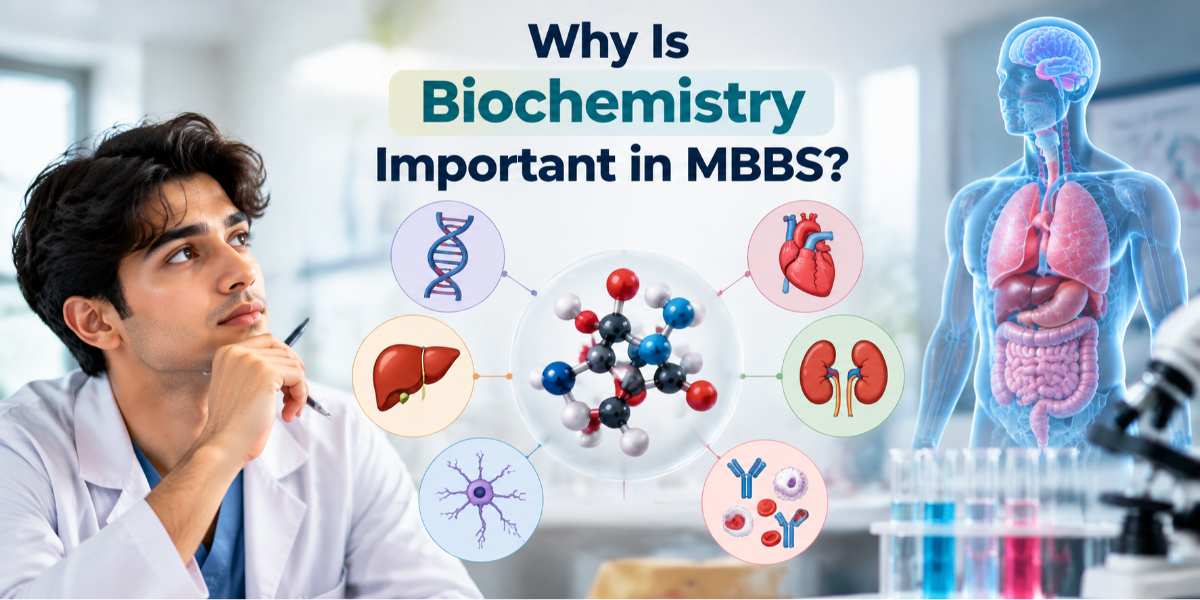
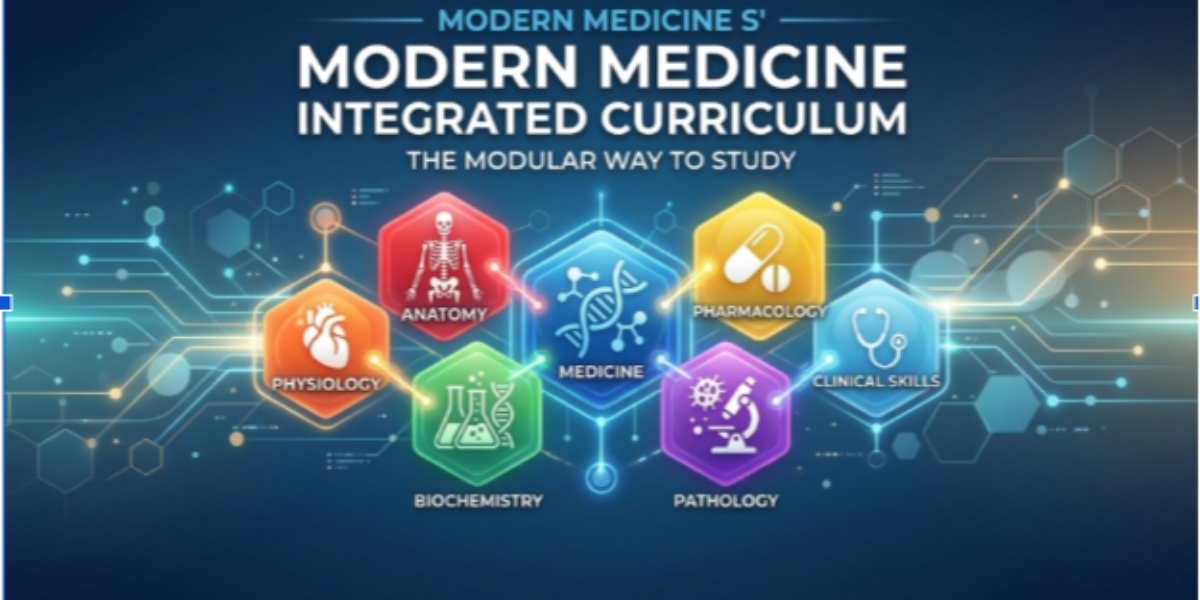
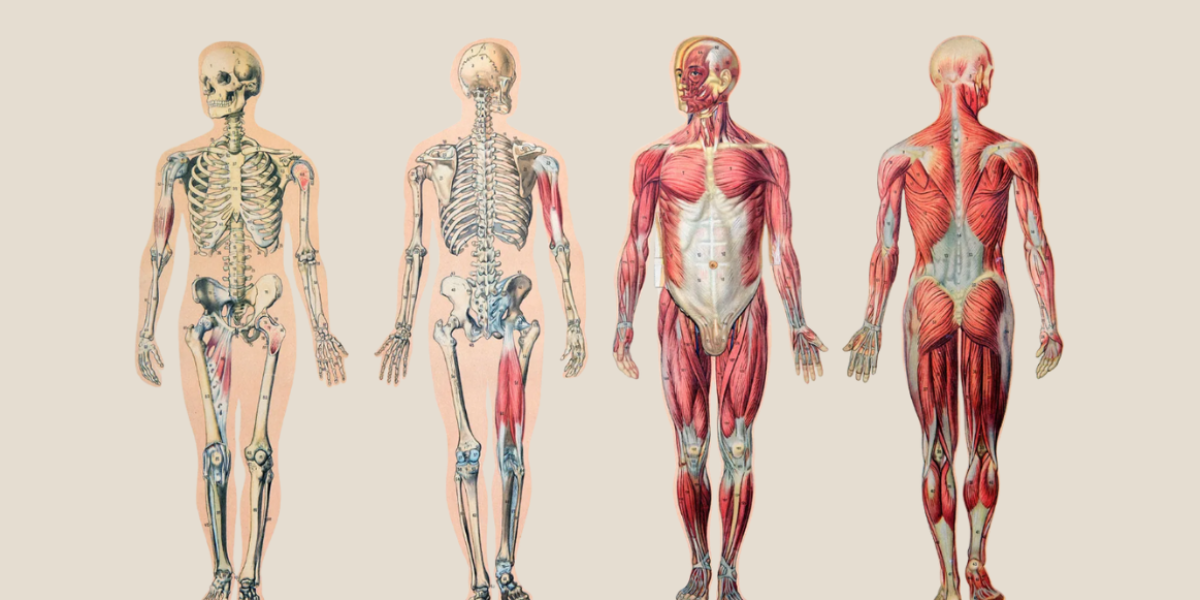
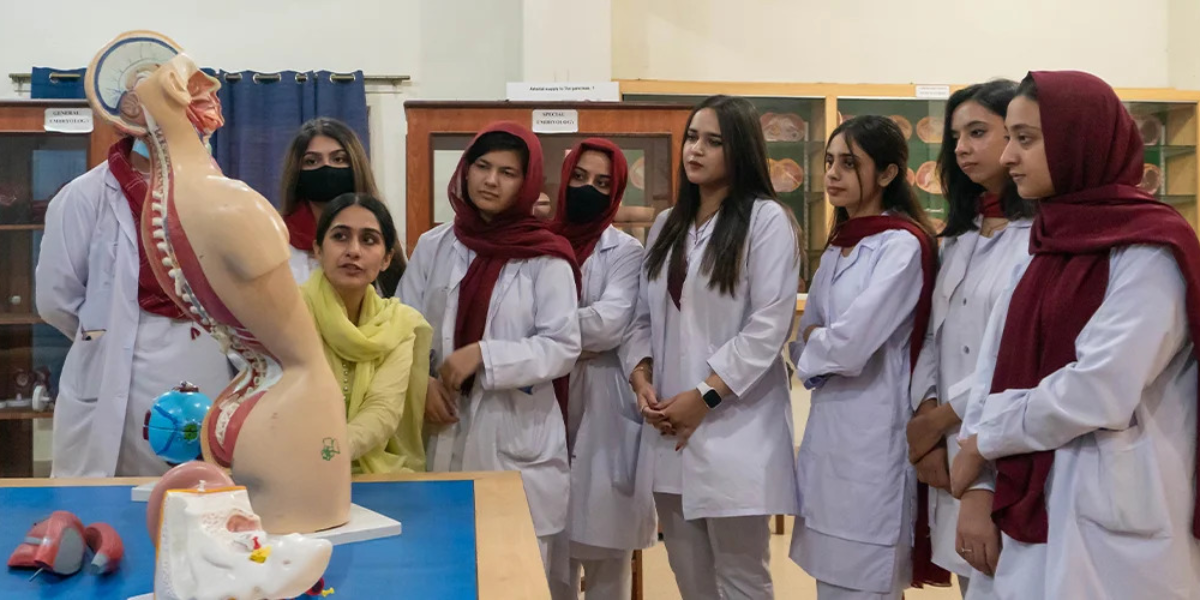
After high school, aspiring pathologists should enroll in an MBBS program. During this program, students gain a broad understanding of medicine, including anatomy, physiology, biochemistry, and clinical sciences.
Institutions like Abu Umara Medical & Dental College offer comprehensive programs where students can also explore specializations in pathology. The college provides modern laboratories, experienced faculty, and practical exposure, helping students build a strong foundation in both theoretical and applied pathology.
During the MBBS program, students should pay special attention to the pathology courses offered by the Department of Pathology. Topics like histopathology, microbiology, hematology, and clinical pathology are essential for understanding diseases and diagnostic methods.
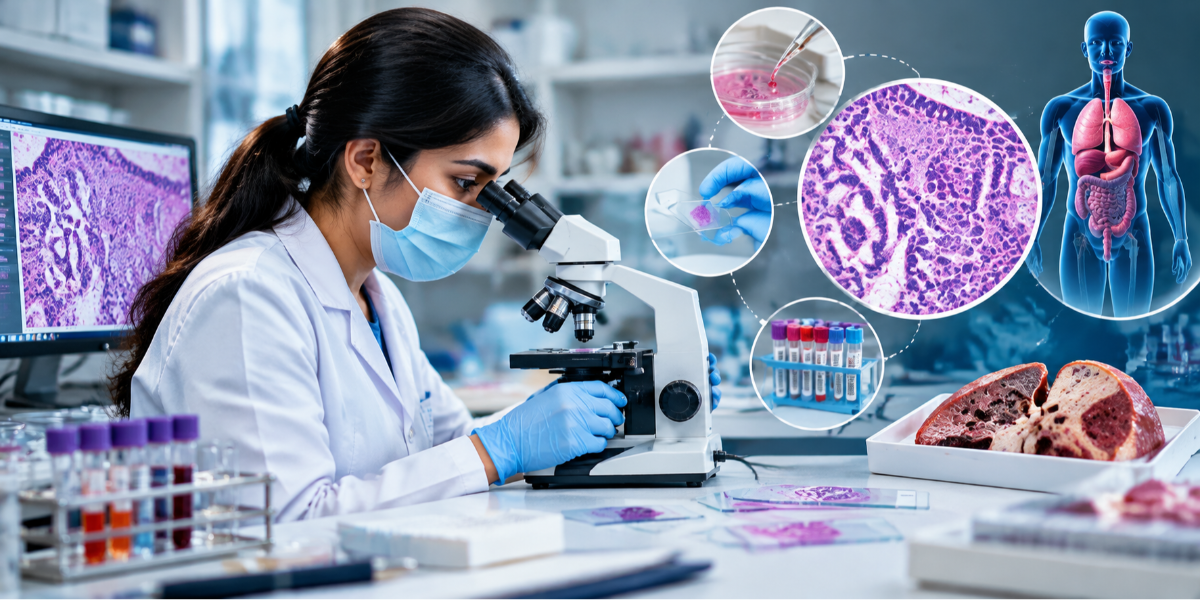
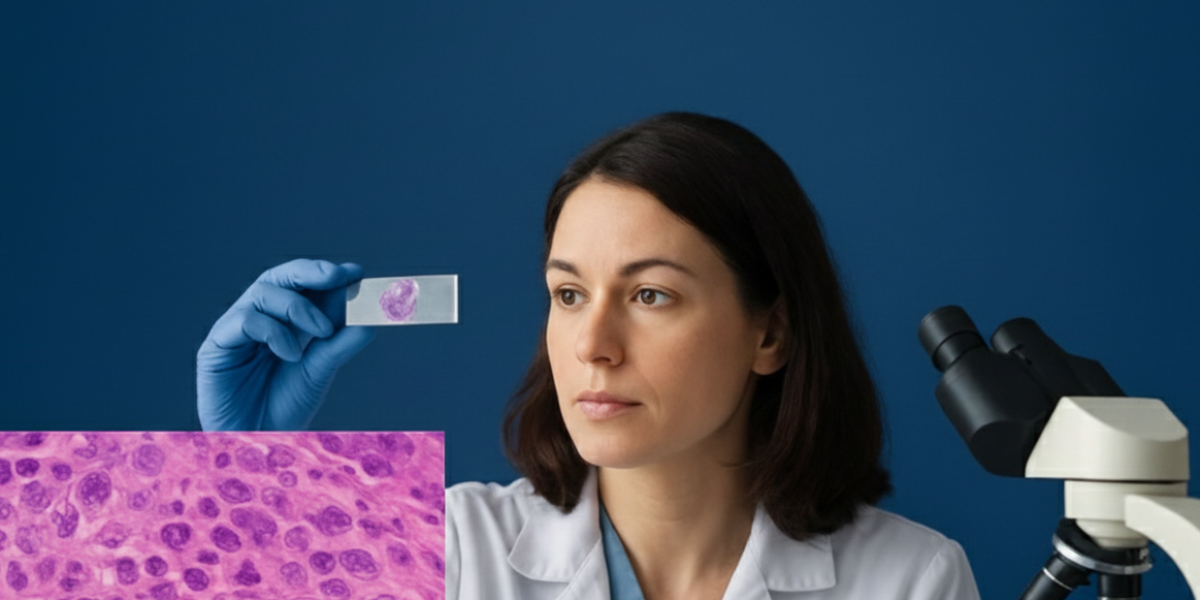
Hands-on training in pathology labs, observing tissue samples under a microscope, and learning laboratory techniques are crucial at this stage. Active participation in workshops and seminars can also enhance understanding and practical skills.
After completing an MBBS, aspiring pathologists must pursue postgraduate studies (MD or equivalent) in pathology. Postgraduate programs provide advanced training in diagnosing diseases, laboratory management, and research.
Students learn specialized areas such as:
Histopathology
Clinical Pathology
Molecular Pathology
Forensic Pathology
Postgraduate training ensures that future pathologists gain the expertise required for both clinical and research roles.
Becoming a licensed pathologist requires completing residency training and passing the required certification exams. Licensing ensures that the pathologist meets the professional standards necessary to practice safely and effectively.
Following the Admission Guide for postgraduate programs and certification requirements is essential for a smooth transition from medical student to licensed pathologist. Understanding the licensing process early helps in proper planning and career progression.
Before pursuing a career in pathology, students should review the Fee Structure of medical and postgraduate programs. Knowing tuition fees, lab fees, and other expenses helps in financial planning and reduces stress during studies.
After obtaining licensure, pathologists can choose from a variety of career paths, including hospital-based practice, research, teaching, and laboratory management. Continuous professional development and participation in conferences or workshops can further enhance career opportunities.
To stay updated with medical education guidance, career advice, and departmental insights, visit our blog section. It provides helpful information for students interested in pathology, tips for exam preparation, and updates about courses, admissions, and professional opportunities.
Becoming a pathologist requires dedication, planning, and a strong educational foundation. By following these six steps—from excelling in high school to completing licensing requirements—students can pursue a rewarding career in pathology. Studying in a reputable Department of Pathology, following the Admission Guide, understanding the Fee Structure, and utilizing resources in our blog section ensure a well-prepared and successful career path.