Date: Apr 29, 2026

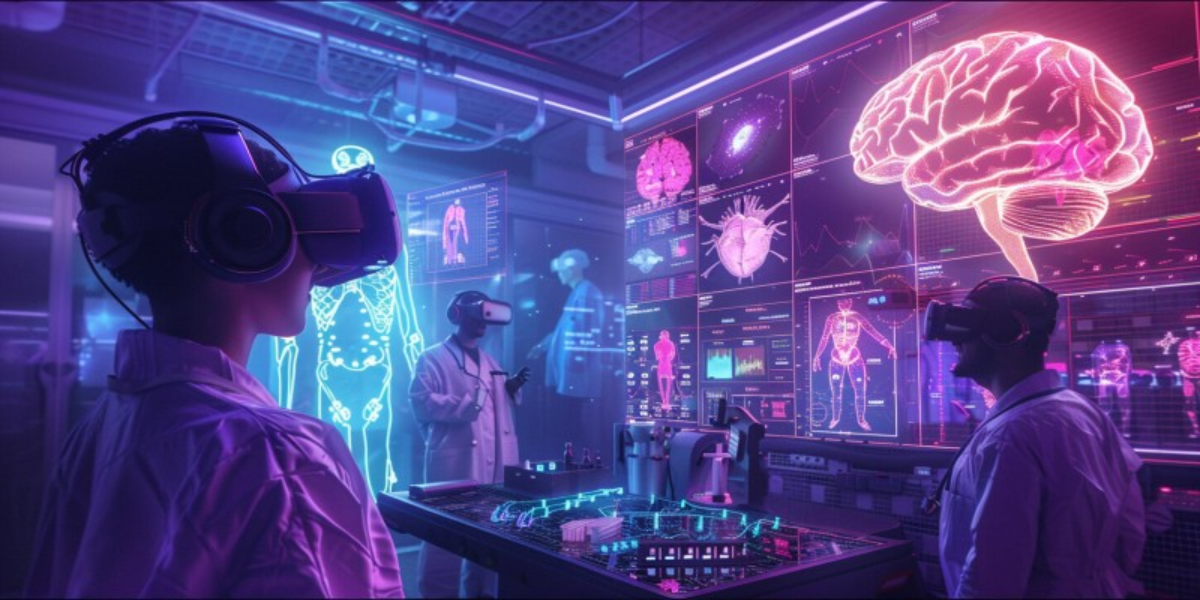
The medical landscape in 2026 is no longer confined to the sterile hallways of a hospital. While the stethoscope remains an iconic symbol of the profession, a new generation of doctors is looking beyond traditional clinical practice. The fusion of healthcare with technology and business has given rise to two powerful trends: Digital Health and Medical Entrepreneurship.
For decades, the standard career path for a medical graduate was linear: house job, residency, and specialization. However, the digital revolution has introduced a new dimension. Today’s doctors are becoming architects of healthcare software, consultants for biotech firms, and leaders of telehealth startups. This shift allows physicians to impact thousands of lives at once through scalable technology rather than seeing one patient at a time.
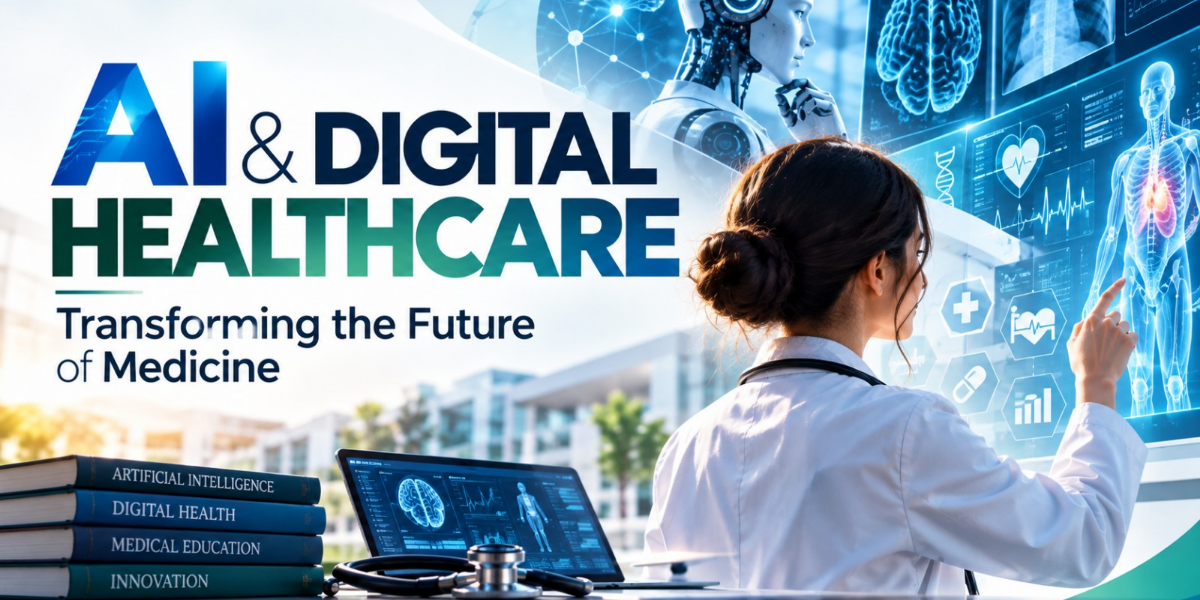
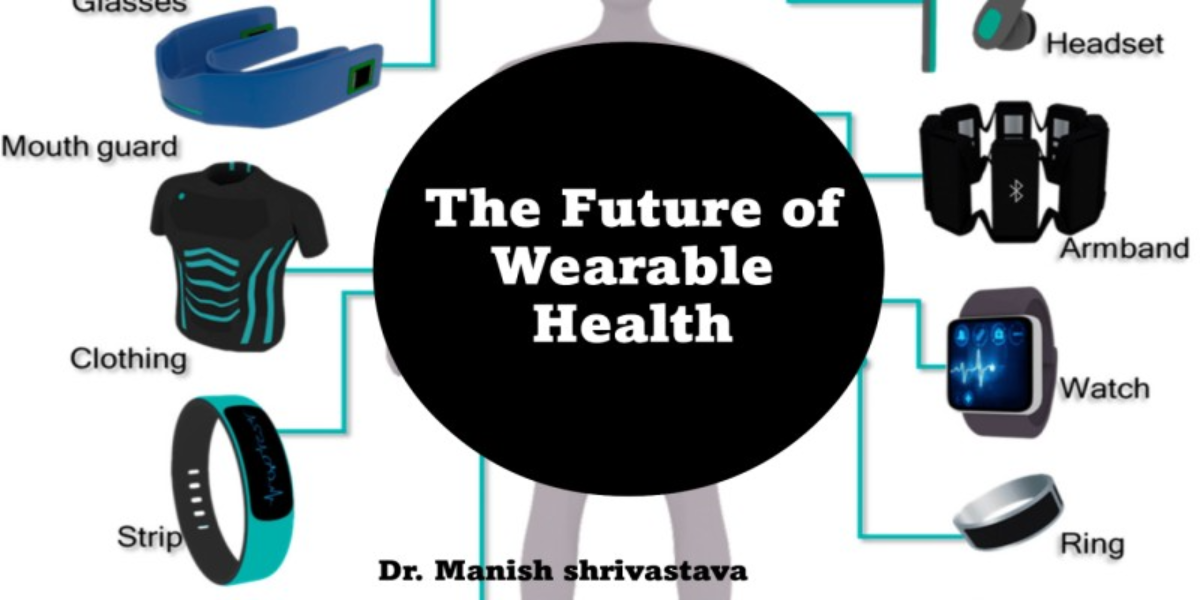
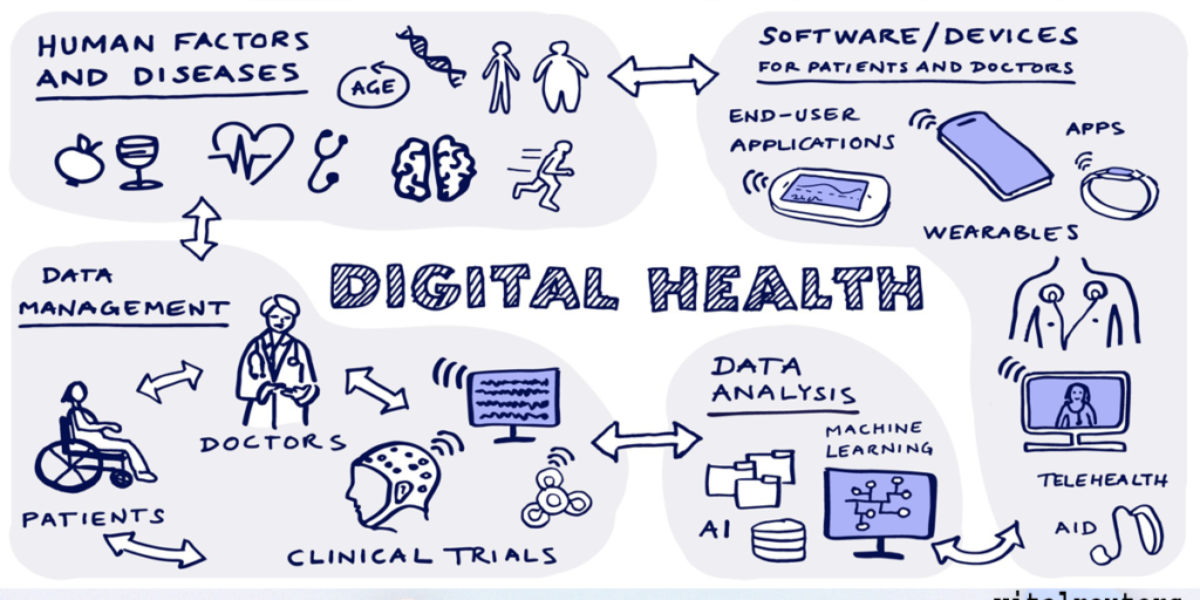
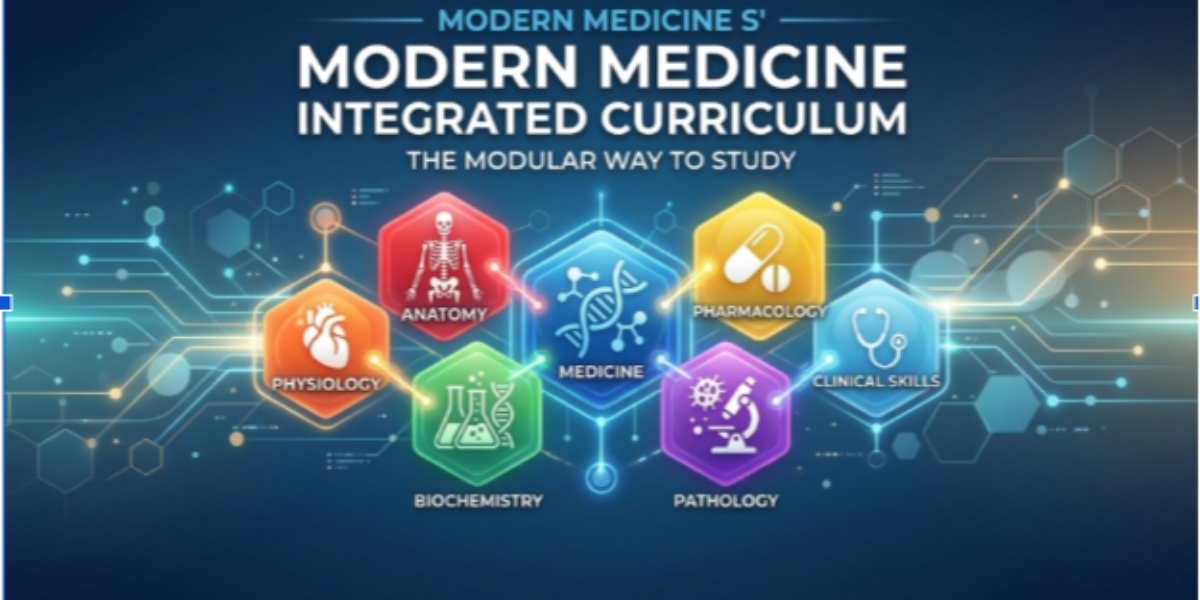
Digital health encompasses everything from wearable fitness trackers to AI-driven diagnostic tools. Physicians are now leveraging "Big Data" to predict disease outbreaks and personalize patient treatment plans. By understanding the intersection of medicine and coding, doctors can help develop apps that monitor chronic conditions like diabetes or heart disease in real-time. To excel in this tech-integrated environment, a solid foundation is required, which is why a modern MBBS Curriculum now emphasizes critical thinking and the integration of scientific knowledge with practical application.
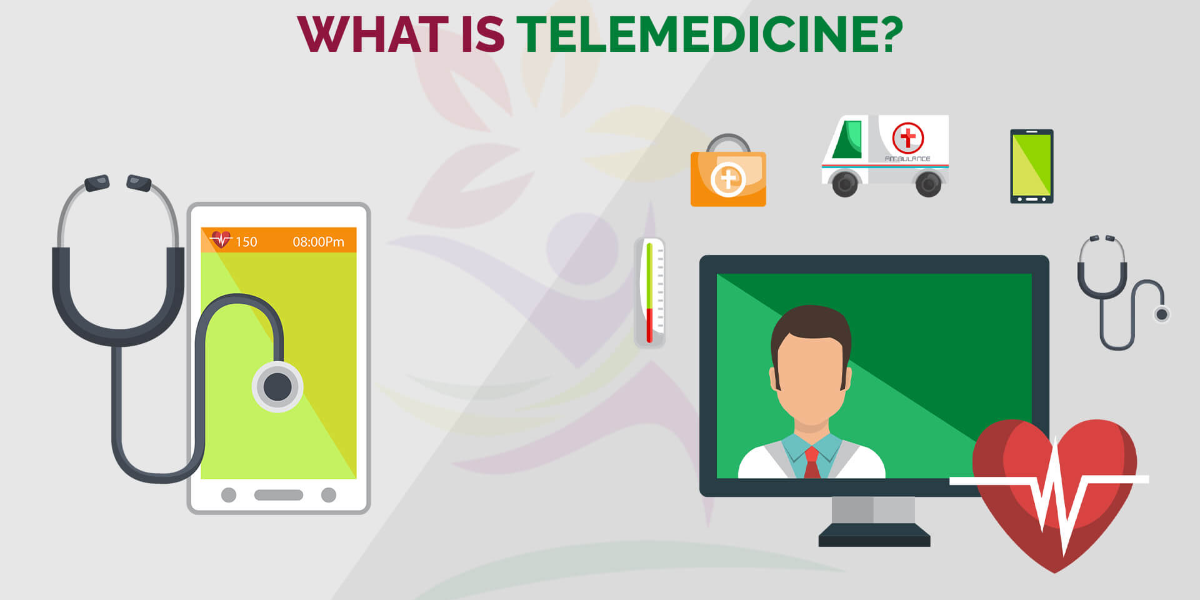
Medical entrepreneurship is about identifying gaps in the healthcare system and building sustainable solutions to bridge them. Whether it’s a startup providing affordable prosthetic limbs via 3D printing or a platform that connects rural patients with urban specialists, doctors are uniquely positioned to lead these ventures. They possess the clinical insight that pure business graduates lack, ensuring that innovation always remains patient-centric.
Leading institutions like Abu Umara Medical & Dental College recognize that the doctors of tomorrow need to be adaptable. While clinical excellence is the priority, the exposure to a competitive and high-standard academic environment prepares graduates to pivot into leadership and administrative roles within the global healthcare industry.
To thrive "beyond the stethoscope," medical students and young doctors should focus on:
The "Doctor of the Future" is a multifaceted professional. By embracing digital health and entrepreneurship, physicians can lead the charge in making healthcare more accessible, efficient, and innovative. The journey starts with a rigorous medical education, but the destination is limited only by one's imagination