Date: May 01, 2026
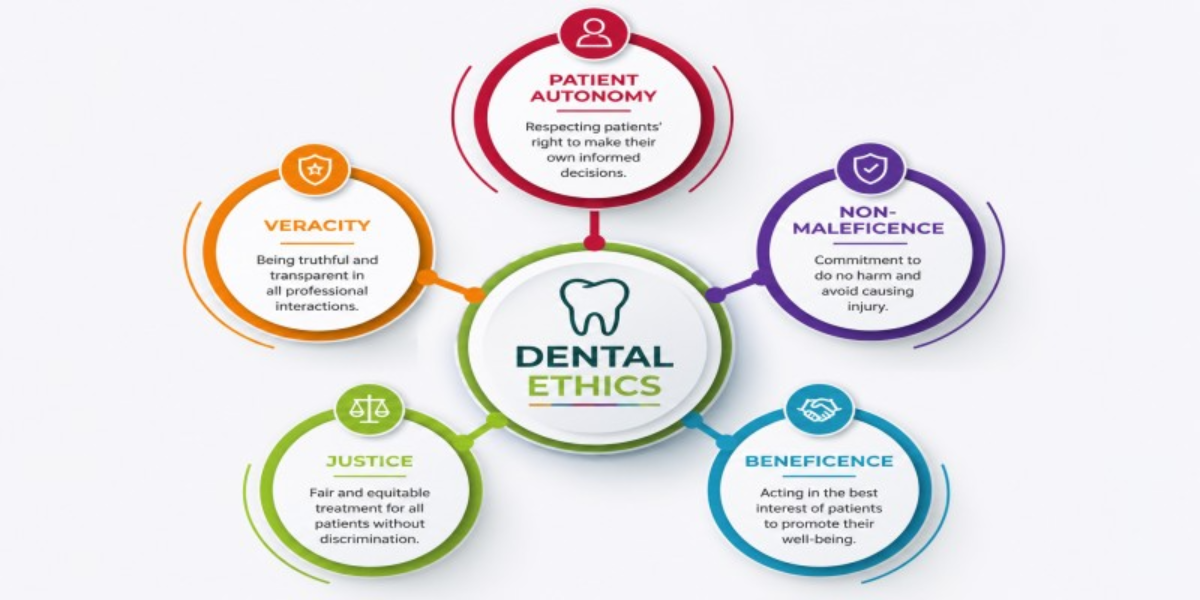
In the field of healthcare, clinical excellence is only half of the equation; the other half is rooted in the moral and ethical framework within which a practitioner operates. For dental students and young professionals, transitioning from a classroom setting to a clinical environment brings a new set of responsibilities. Ethics in dentistry is not just about following the law; it is about maintaining a sacred trust between the doctor and the patient.
At Abu Umara Medical & Dental College, we emphasize that professional integrity is the cornerstone of every successful dental career. This guide explores the essential ethical pillars that every dental student must master to navigate the complexities of modern practice.
Informed consent is far more than a signature on a piece of paper. It is a continuous process of communication. It ensures that the patient fully understands their diagnosis, the proposed treatment, the potential risks, and the available alternatives, including the option of no treatment at all.
For students, understanding the legal and ethical boundaries of patient interaction begins with a solid foundation. You can find more about how these principles are integrated into our academic framework in the Program Structure of our medical and dental curriculum.
Professional integrity means doing the right thing even when no one is watching. In dentistry, this often manifests in the recommendation of treatments. An ethical dentist prioritizes the patient’s oral health over financial gain.
There is often a fine line between "proactive care" and "unnecessary treatment." Professional integrity dictates that we recommend clinically necessary procedures. For example, suggesting a complex cosmetic procedure when a simple filling would suffice violates the principle of Non-maleficence (do no harm).
Patients share sensitive health information with the expectation of absolute privacy. Maintaining the confidentiality of patient records, both physical and digital, is a non-negotiable moral obligation. A breach of trust can damage not only the practitioner’s reputation but the reputation of the entire dental profession.
The ethical principle of Justice involves treating all patients fairly and without bias. Whether a patient comes from an affluent background or an underserved community, the quality of care and the respect they receive should remain constant.
As a dental student, you will encounter patients from all walks of life. Treating each with dignity is the first step toward becoming a compassionate healer. Aspiring students looking to join an institution that values these ethical standards should refer to our comprehensive Admission Guide to begin their professional journey.
The field of dentistry is constantly changing. New materials, safer anesthetics, and better surgical techniques emerge every year. From an ethical standpoint, a dentist has a duty to stay updated. Practicing outdated methods when safer, more effective alternatives exist can be considered a failure of professional duty.
Continuous self-improvement ensures that you are providing the highest standard of care possible. This commitment to excellence is what differentiates a technician from a true healthcare professional.
Ethics and integrity are the invisible threads that hold the fabric of the dental profession together. By mastering the art of informed consent, practicing honesty in treatment planning, and treating every patient with fairness, you build a foundation of trust that will last throughout your career. As you progress through your clinical years, remember that your patients are placing their health in your hands. Honor that trust with integrity, and you will not only become a successful dentist but a respected leader in the healthcare community.
For more insights into professional development and medical ethics, stay tuned to our blogs section for the latest updates