Date: May 25, 2026
In the modern medical era, we are facing a global epidemic of "lifestyle diseases." Conditions such as Type 2 Diabetes, Hypertension, and Cardiovascular disease have become the leading causes of disability and death. While pharmacological interventions (medicine) are essential for managing acute crises, they often act as a "band-aid" rather than a cure. Lifestyle Medicine is an emerging clinical discipline that uses evidence-based behavioral interventions to treat, and in many cases reverse, the root causes of these chronic conditions. By shifting the focus from the pharmacy to the kitchen and the gym, we can empower patients to take control of their own biological destiny.
Lifestyle medicine is built upon six foundational pillars that, when combined, create a powerful therapeutic effect on the body’s metabolic health. These include a whole-food plant-predominant diet, regular physical activity, restorative sleep, stress management, avoidance of risky substances, and positive social connectivity.
Unlike traditional medicine, which often looks at organs in isolation, Lifestyle Medicine views the body as an integrated system. For instance, poor sleep doesn't just cause fatigue; it disrupts insulin sensitivity, making diabetes harder to manage. By addressing these pillars, we treat the patient as a whole person.
Type 2 Diabetes is primarily a disease of insulin resistance, often fueled by excess visceral fat and a sedentary lifestyle. Through evidence-based habit changes, many patients can achieve a "remission " state where blood sugar levels return to normal without the need for medication.
Hypertension is often called the "silent killer." While ACE inhibitors and beta-blockers are effective, lifestyle changes can often lower blood pressure by 10-20 mmHg, which is equivalent to the effect of one or two medications.
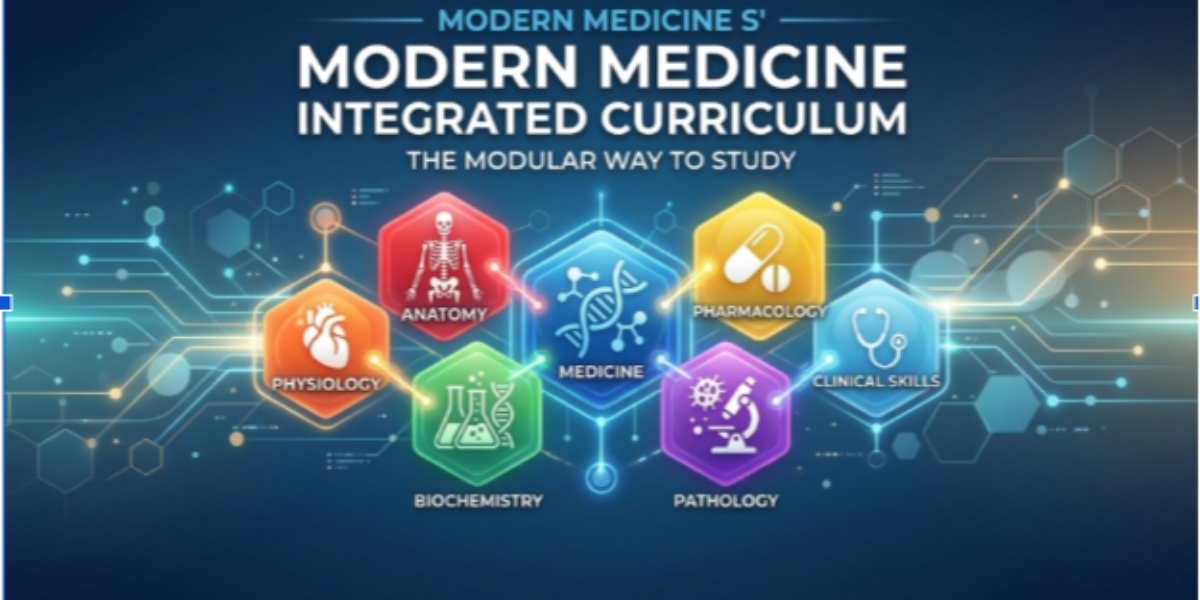
The shift toward lifestyle medicine requires a new generation of healthcare providers who are trained in nutrition, exercise physiology, and behavioral psychology. This holistic approach is becoming a vital part of the modern medical journey. For those interested in the academic foundations of these clinical approaches, the Program Structure of contemporary medical degrees is evolving to include more preventive care modules.
Furthermore, ongoing research is continuously proving that habit changes can be more effective than metformin or statins for certain patient groups. Evidence-based medicine is no longer just about the latest drug; it is about the latest data on human behavior and its biological consequences.
The biggest challenge in Lifestyle Medicine is the cultural expectation of a quick fix. It is much easier to swallow a pill than to change a lifelong habit of eating processed food or sitting for eight hours a day. However, doctors must lead by example and provide the necessary "Prescription for Life."
If you are an aspiring medical student or a professional looking to join a community that values both clinical and preventive excellence, you can find the path forward through our Admission Guide. Joining the medical field today means being an advocate for health, not just a treater of disease.
Lifestyle Medicine is the future of sustainable healthcare. By focusing on the root causes of Diabetes and hypertension, nutrition, movement, and stress, we can offer patients a life free from the burden of chronic medication. It is time to recognize that the most powerful pharmacy is not found in a bottle, but in the way we live our daily lives. As the next generation of doctors, our goal is to help patients add not just years to their lives, but life to their years.
For more evidence-based health tips and campus news, visit our blogs section regularly.