Date: Jun 08, 2026
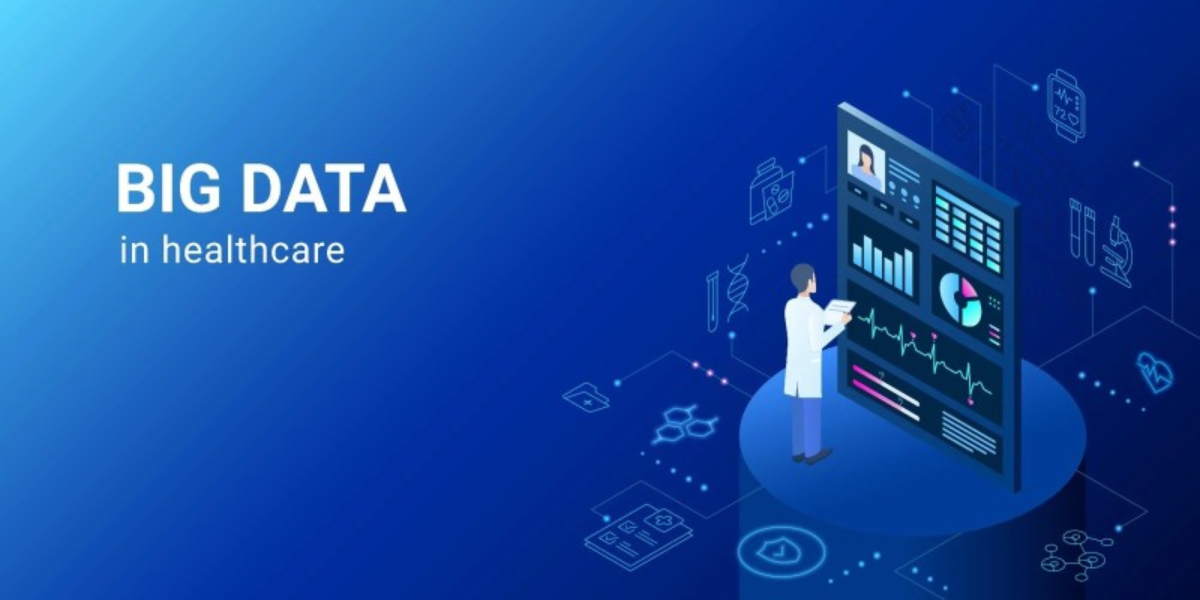
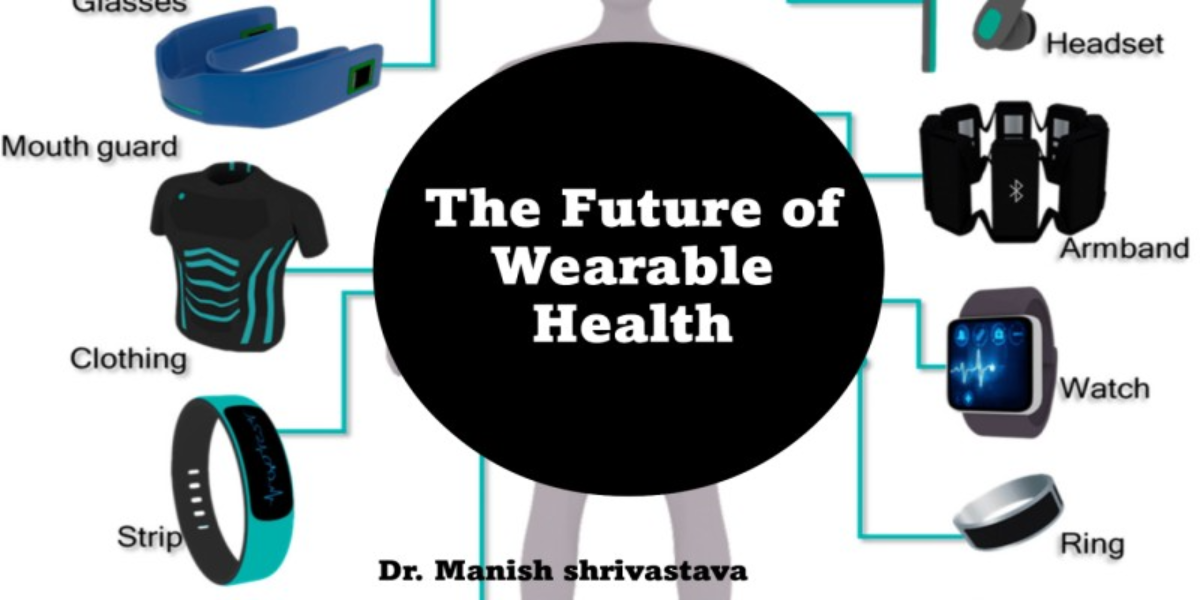
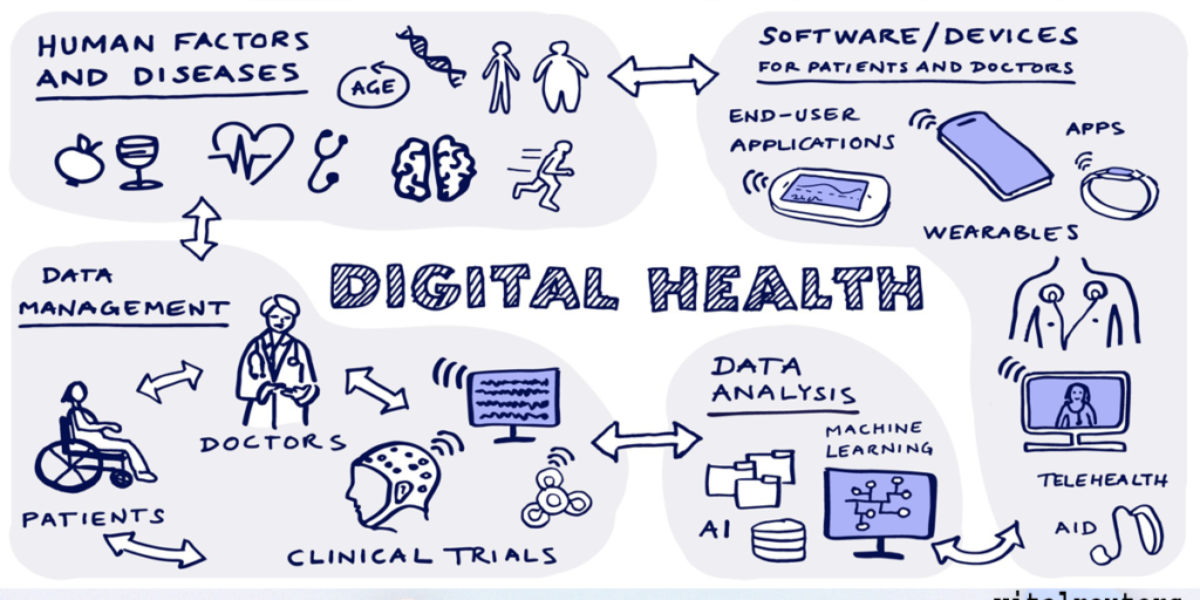
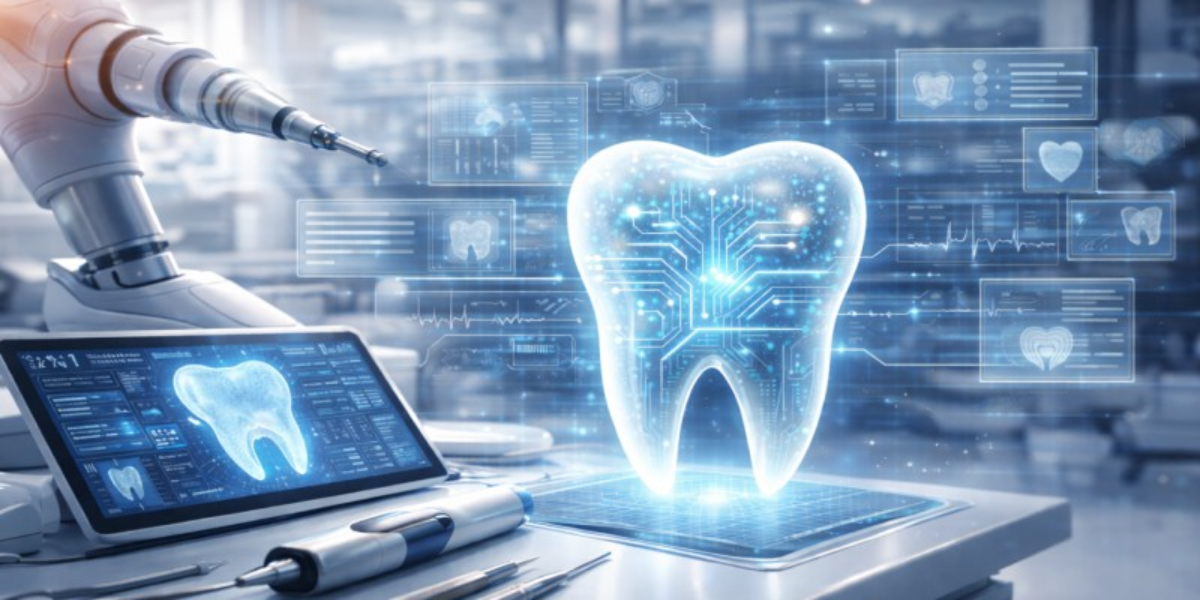
The healthcare sector is currently experiencing a monumental paradigm shift driven by an unprecedented explosion of digital information. Every single day, vast streams of data pour in from diverse sources, including electronic health records (EHRs), high-throughput genomic sequencing, clinical trial repositories, insurance claims, and consumer wearable devices that track everything from heart rates to sleep patterns.
This phenomenon, collectively known as Big Data, represents an ocean of raw information that is fundamentally dismantling traditional approaches to patient care, hospital management, and epidemiological study. For premier institutions training the next wave of healthcare pioneers, such as Abu Umara Medical & Dental College, Lahore, integrating data science into medical training is no longer an optional elective; it is an absolute necessity to prepare graduates for a digitized clinical landscape. Unlocking the patterns hidden within these massive datasets allows the medical community to transition from an era of reactive treatment to one of proactive, highly precise prevention.
Historically, medical research has been a slow, methodical, and localized endeavor. Bringing a new drug to market or validating a clinical hypothesis could take over a decade, relying on tightly controlled clinical trials with limited sample sizes. Big Data analytics is completely rewriting this timeline by introducing speed, scale, and computational power to the scientific method.
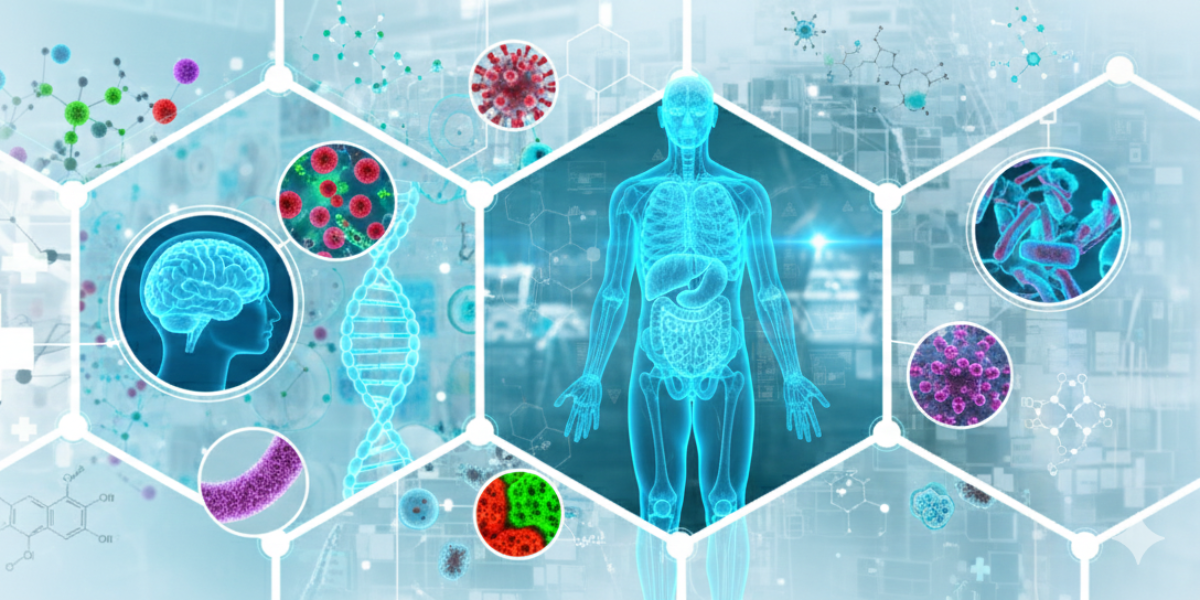
The human genome consists of approximately three billion base pairs of DNA. Sequencing a single genome generates massive files, but sequencing thousands of individuals creates an immense computational challenge. By applying Big Data analytics to genomics, researchers can now cross-reference vast genetic libraries with clinical outcomes across globally diverse populations.
This macro-analysis allows scientists to identify incredibly rare genetic mutations responsible for specific diseases, leading directly to the development of orphan drugs and highly targeted gene therapies. Rather than treating a disease based on population averages, doctors can look at a patient's exact molecular and genetic profile to prescribe therapies with the highest probability of success.
The traditional pharmaceutical pipeline is notoriously inefficient, often costing billions of dollars and suffering from high failure rates in late-stage clinical trials. Big Data changes the game through virtual screening and predictive modeling.
Instead of physically testing millions of chemical compounds against a disease target in a wet lab, advanced machine learning algorithms can simulate these interactions digitally. This virtual narrowing down allows pharmaceutical companies to focus their physical and financial resources solely on compounds that show the highest digital promise, drastically cutting down the time and cost required to discover life-saving medications.
Clinical trials, while rigorous, often exclude patients with complex comorbidities or those taking multiple medications. Big Data allows researchers to analyze "Real-World Evidence" data gathered from real patient experiences post-market via electronic health records and health insurance databases. This reveals how drugs perform in the messy reality of diverse populations, exposing long-term side effects or unexpected off-label benefits that a structured 12-week clinical trial might never capture.
While research laboratories benefit immensely from data clusters, the practical applications of Big Data are equally transformative on the frontlines of hospital wards and outpatient clinics, changing daily operational workflows.
For generations, medicine has been fundamentally reactive: a patient feels ill, schedules an appointment, receives a diagnosis, and starts a treatment plan. Big Data enables a shift toward predictive medicine.
By feeding historical health records, demographic factors, social determinants of health, and even real-time biometric data from wearable devices into predictive risk models, healthcare systems can identify vulnerable patients long before symptoms manifest. For instance, an algorithm can flag an outpatient whose fluctuating blood pressure patterns and glycemic trends indicate a high risk of developing chronic cardiovascular disease or type 2 diabetes within the next two years, prompting early lifestyle interventions.
Hospitals are highly complex ecosystems with fluctuating demands. When operational data is isolated, bottlenecks occur, leading to crowded emergency rooms, exhausted staff, and delayed patient care.
Big Data analytics platforms can integrate data from historic admission rates, local weather patterns, seasonal disease trends (like influenza or dengue spikes), and even regional traffic data to forecast patient inflows with remarkable accuracy. Hospital administrators can use these insights to optimize nursing schedules, ensure adequate bed availability, and stock critical emergency supplies precisely when and where they are needed most, reducing waste and saving operational costs.
As data-driven insights solidify their position as the backbone of modern clinical decision-making, the core competencies required of a practicing physician must naturally shift. A modern doctor can no longer rely solely on a stethoscope and textbook memorization; they must become data-literate clinicians capable of translating analytical readouts into empathetic bedside care.
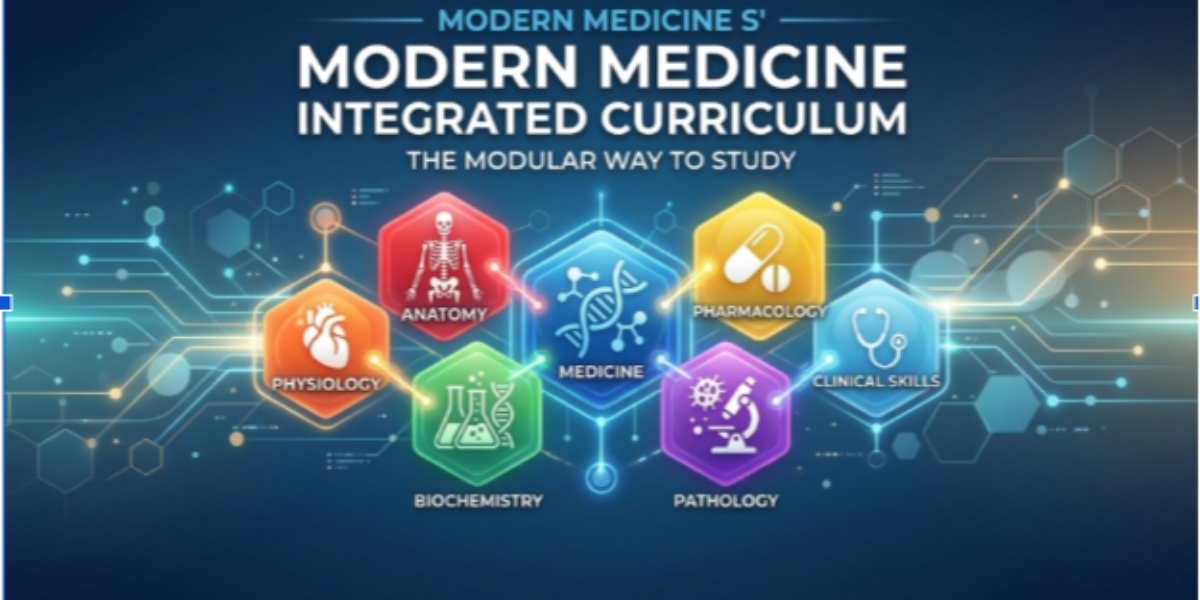
This comprehensive educational evolution is exactly what shapes contemporary training benchmarks. According to the established MBBS Outcomes, modern medical graduates are explicitly expected to function as competent researchers, critical thinkers, and adept users of health informatics who can systematically evaluate scientific evidence to improve health delivery. Aspiring students looking to position themselves at the cutting edge of this technologically advanced profession can navigate the academic entry requirements and enrollment criteria through the institutional Admission Guide.
The path toward a fully data-driven healthcare paradigm is not without substantial hurdles. As the industry gathers more information, it must concurrently build robust ethical and technical frameworks to handle it safely.
Data Security and Sovereign Privacy
Medical records are highly lucrative targets for cybercriminals on the dark web, as they contain deeply personal, unchangeable identifying information. Balancing the open sharing of anonymized data for global scientific research while fiercely protecting individual patient confidentiality remains one of the toughest legal and technical challenges of our time.
The Interoperability Crisis
Currently, health data is severely fragmented. Different hospital networks, private clinics, and diagnostic laboratories often utilize completely different electronic health record systems that cannot talk to one another. This lack of interoperability creates isolated data silos, meaning a patient's complete medical story is rarely visible in one single location.
Algorithmic Bias and Data Inequality
If a predictive health model is trained predominantly on data from affluent populations in developed nations, its conclusions may be wildly inaccurate or fundamentally biased when applied to patients in developing regions. Ensuring global equity in health data collection is paramount to preventing tech-driven disparities.
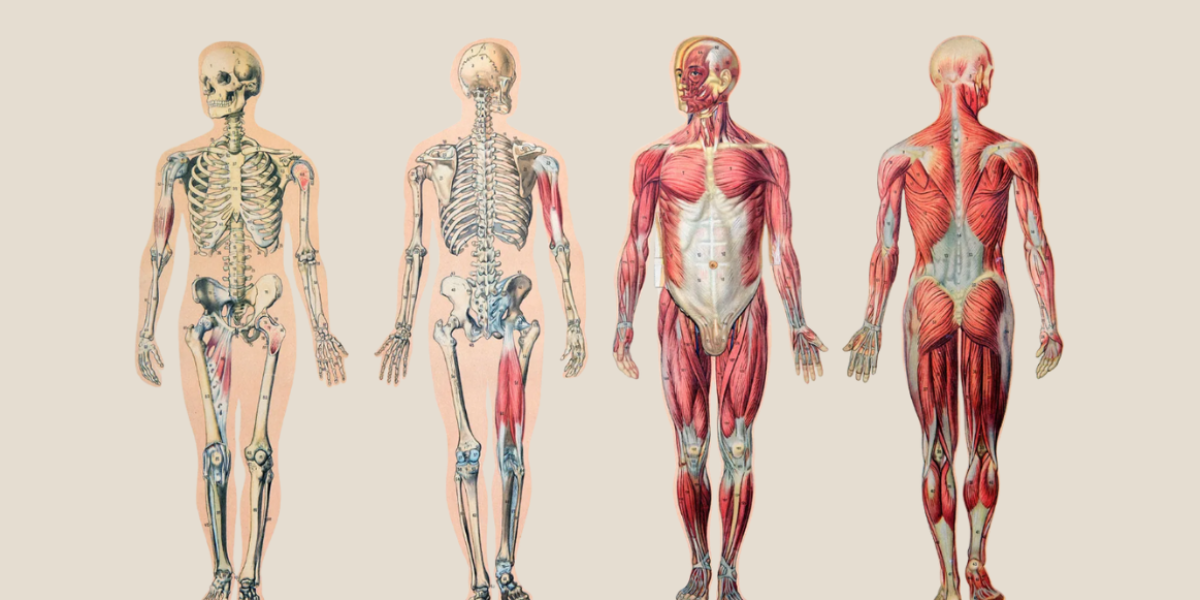
Big Data is successfully transforming healthcare from a generalized, one-size-fits-all discipline into a highly proactive, intelligent, and tailored science. By unlocking hidden correlations within massive medical datasets, the global healthcare community can accelerate the discovery of life-saving cures, optimize hospital workflows, and identify public health threats before they escalate into crises. For the doctors of tomorrow, mastering the tools of data informatics will be just as critical as mastering clinical anatomy, ensuring they can harness the power of information to deliver safer, smarter, and more compassionate human care