Date: Jun 24, 2026

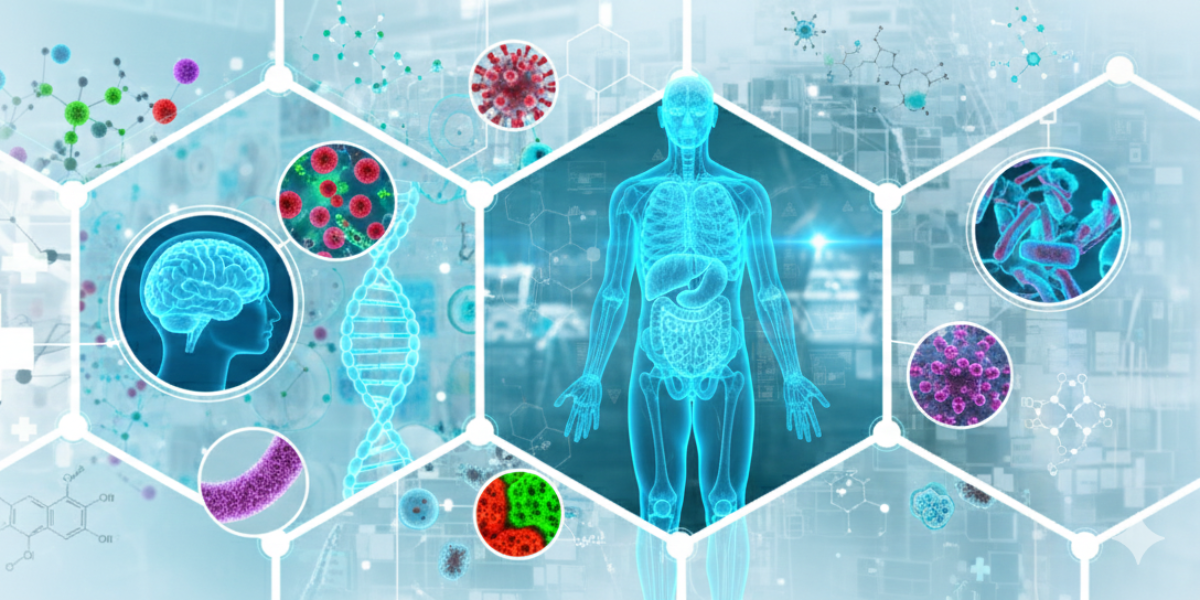
The global medical community is rapidly moving away from the traditional, one-size-fits-all model of healthcare. Instead, it is embracing a highly customized approach known as precision medicine.
This advanced discipline uses an individual's genetic profile, environmental factors, and specific lifestyle habits to tailor medical treatments to their exact biological makeup. In a country like Pakistan, which features an incredibly diverse population and a high prevalence of complex, inherited genetic disorders, the deployment of precision medicine holds massive potential to revolutionize patient outcomes and transform the national healthcare infrastructure.
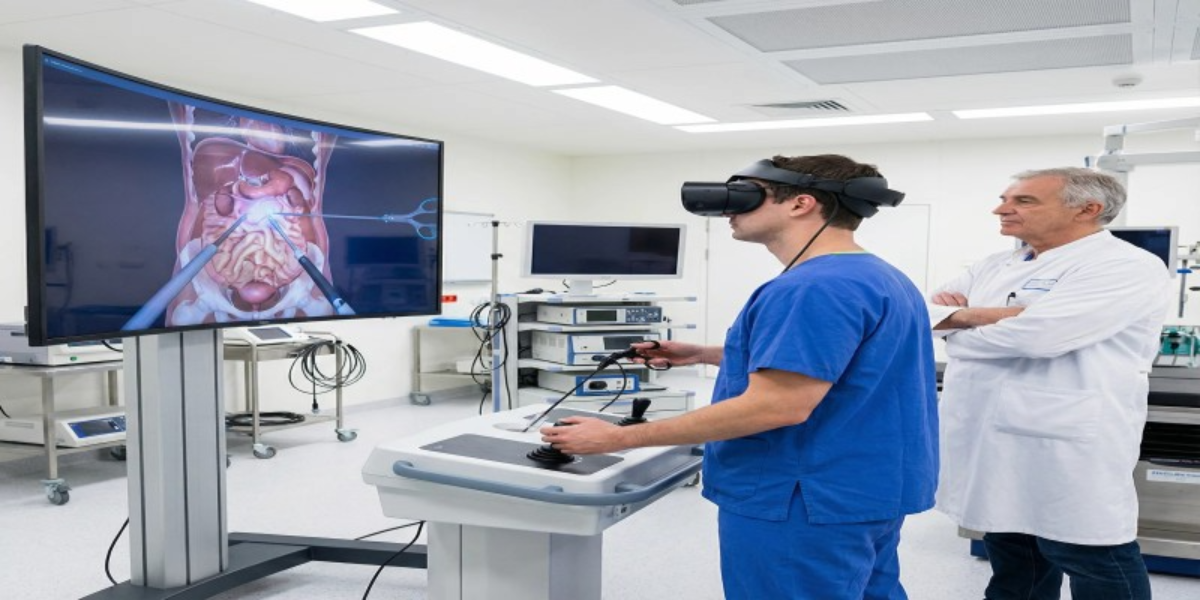
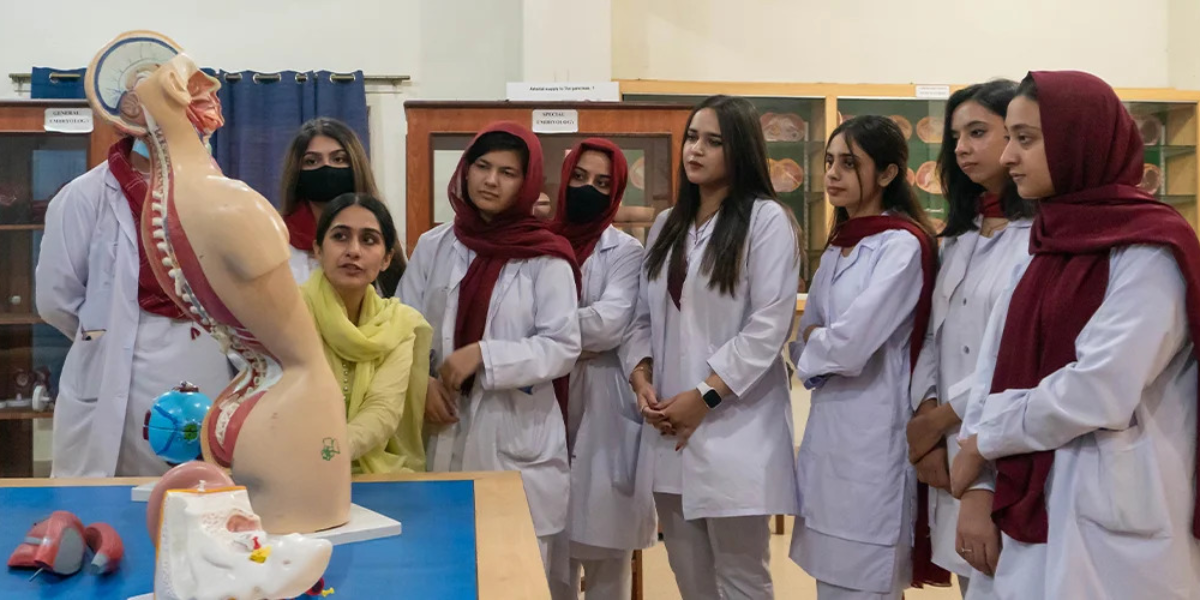
To successfully transition from generalized public health policies to targeted molecular treatments, future healthcare workers must be trained in settings that blend high-tech diagnostics with immediate patient care.
Experiencing the reality of frontline healthcare early on helps students understand the direct relationship between genetic data and physical illness. Medical students can explore the deep clinical importance of this integration by reading about Clinical Rotations, which emphasize why early bedside exposure is completely vital to mastering modern diagnostic medicine.
Pakistan possesses a unique genetic architecture that makes the development of localized precision medicine both a critical challenge and an incredible opportunity for scientific advancement.
Addressing the Challenges of Consanguinity
Due to deeply rooted social and cultural traditions, Pakistan has one of the highest rates of consanguineous marriages (marriages between close biological relatives) globally. While this reinforces family structures, it also leads to a significantly higher prevalence of rare, recessive genetic disorders, congenital anomalies, and inherited blood conditions like thalassemia.
Precision medicine allows researchers to map these specific genetic variations across the population, enabling clinicians to design targeted screening programs, provide accurate pre-marital counseling, and develop therapies tailored specifically to the regional genetic pool.
Shifting the Oncological Paradigm
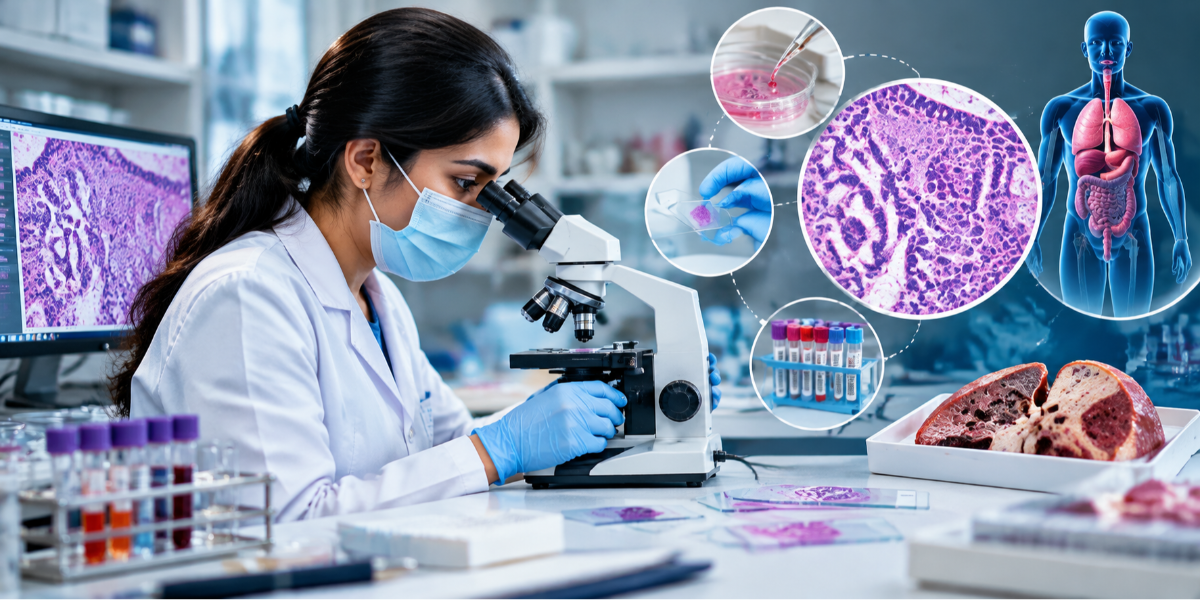
Cancer treatment in Pakistan is historically expensive and often initiated at advanced stages, frequently relying on generalized chemotherapy regimens that carry severe side effects. Precision oncology changes this entire approach by analyzing the genetic mutations of a specific tumor rather than simply treating the organ of origin.
By identifying the exact genetic driver of a malignancy, oncologists can prescribe targeted immunotherapies or small-molecule drugs that attack cancer cells directly while leaving healthy tissues entirely unharmed, maximizing survival rates and minimizing patient suffering.
While the scientific promise of precision medicine is undeniable, integrating genomic data into the daily workflows of a developing healthcare system requires addressing major structural challenges.
Building Local Genomic Databases
Currently, the vast majority of global genomic data used to train diagnostic algorithms comes from populations of European descent. Applying these international algorithms directly to Pakistani patients often leads to diagnostic inaccuracies because our regional genetic variations are not represented in the baseline data.
Pakistan must invest heavily in building its own biobanks and localized genomic databases so that machine learning tools can learn to recognize the specific mutations unique to our population.
Bridging the Economic and Accessibility Divide
Genetic sequencing technologies and specialized targeted therapies are notoriously expensive, making them inaccessible to the vast majority of the population. To prevent precision medicine from becoming an exclusive luxury for the wealthy, the public and private healthcare sectors must collaborate to lower the cost of basic genetic panels.
Integrating targeted diagnostics into national health initiatives and public hospital systems is the only way to ensure equitable health access across both urban and rural communities.
The future of precision medicine in Pakistan represents a monumental leap forward from reactive, symptom-based treatments to proactive, molecular-level prevention. By harnessing the power of genomic data, the local medical community can systematically eliminate inherited blood disorders, optimize cancer survival rates, and drastically reduce the burden of chronic diseases nationwide.
For the next generation of physicians, learning to synthesize genetic readouts with direct patient observation will be the ultimate skill set, ensuring that every single patient receives the exact treatment their body uniquely requires