Date: Jul 15, 2026
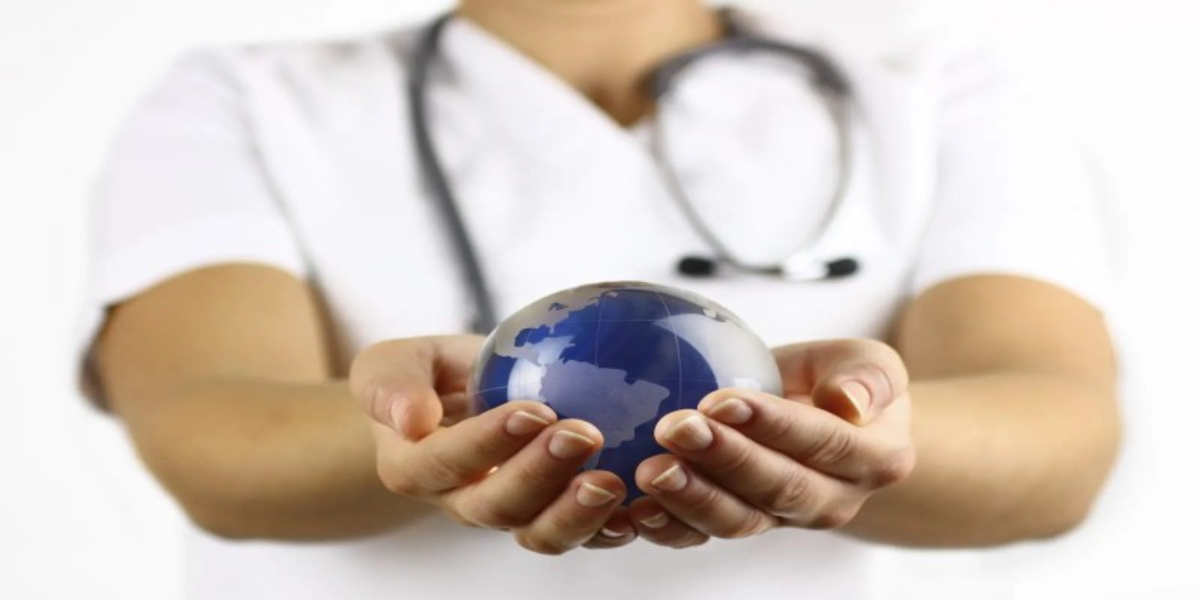
Climate change is no longer just an environmental issue discussed in policy meetings; it is actively reshaping global healthcare. Rising global temperatures, shifting weather patterns, and increasing environmental instability are directly accelerating a wide range of medical emergencies. From heat-related illnesses and respiratory diseases to the rapid spread of vector-borne infections, the impacts of environmental degradation are showing up in clinics and emergency rooms worldwide.
For the next generation of medical professionals, understanding the profound connection between environmental health and patient care is becoming a core clinical requirement.
The medical consequences of a changing climate manifest in diverse and challenging ways. Prolonged heatwaves are driving a surge in acute kidney injuries and cardiovascular crises, particularly among vulnerable populations such as the elderly and outdoor workers. Concurrently, altered rainfall patterns and expanding warm zones have allowed disease-carrying vectors, like mosquitoes, to thrive in geographic areas that were previously unaffected. This means future physicians will routinely diagnose conditions like dengue or malaria well outside their traditional tropical borders.
Adapting to this shifting epidemiological landscape requires entering a medical community that looks forward. Aspiring medical students who want to be at the forefront of these global health transitions can explore academic pathways through the Admission Guide to see how modern programs prepare graduates for evolving global realities.
Beyond acute outbreaks, environmental shifts act as massive risk multipliers for chronic diseases. Poor air quality driven by industrial emissions and prolonged wildfire seasons has led to a dramatic rise in severe pediatric asthma cases and chronic obstructive pulmonary disease (COPD) exacerbations. Medical students must learn to look past immediate symptoms and consider the broader environmental determinants affecting their patients' daily lives.
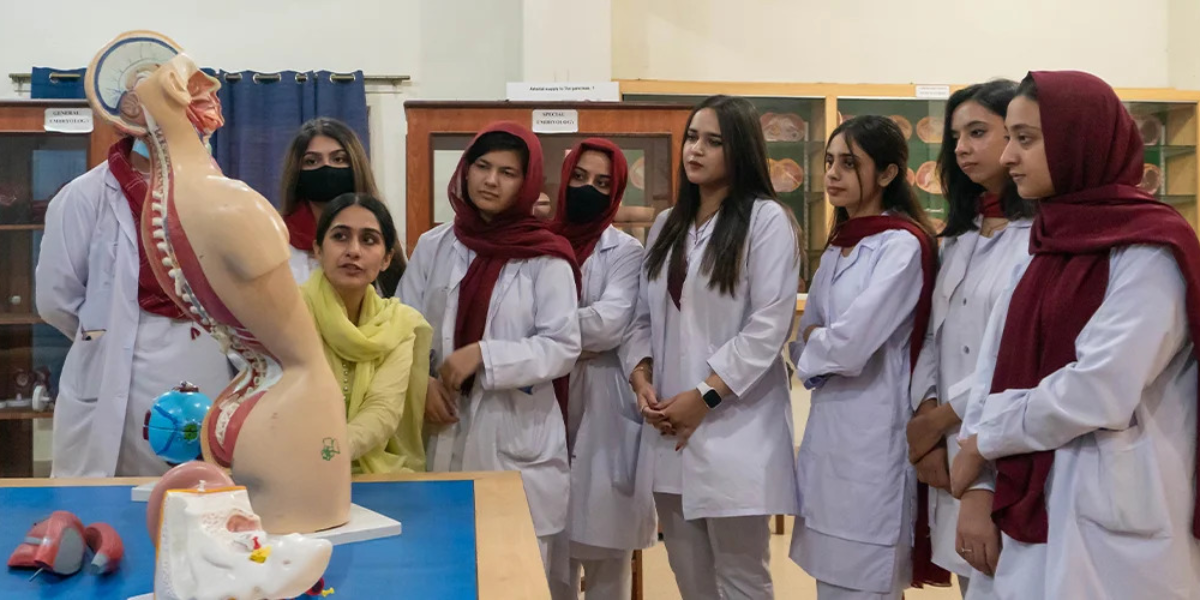
Training at forward-thinking institutions like the Abu Umara Medical & Dental College, Lahore, ensures that future doctors develop a holistic understanding of how local environmental stressors impact community health. This training helps students treat the root environmental causes of chronic vulnerabilities rather than just managing symptoms after they develop.
As extreme weather events become more frequent and severe, the infrastructure of healthcare delivery itself faces unprecedented strain. Floods, severe storms, and grid failures can instantly compromise hospital operations, disrupt critical pharmaceutical supply chains, and displace entire communities. Future doctors must be equipped with the leadership skills needed to manage resource shortages and maintain high-quality patient care during environmental crises.
For individuals looking to transfer into a dedicated environment that emphasizes this level of practical healthcare resilience, reviewing the availability of Vacant Seats can provide an entry point into a rigorous academic setting focused on modern public health challenges.
Ultimately, addressing the intersections of climate change and medicine requires a structured approach to clinical education. It is not enough to simply acknowledge the problem; medical graduates must possess measurable skills in preventative medicine, disaster response management, and epidemiological tracking to truly make an impact.
By aligning their educational goals with clearly defined MBBS Outcomes, future doctors ensure they acquire the exact analytical frameworks and clinical competencies needed to protect public health against the inevitable challenges of an unstable environment.
The role of the physician is expanding far beyond the traditional boundaries of the exam room. As climate change continues to impact human biology and healthcare accessibility, doctors must act as informed clinicians, public health advocates, and resilient leaders. By understanding environmental health risks early in your medical training, you prepare yourself to offer comprehensive, forward-looking care to a world that desperately needs it