Date: Jun 15, 2026
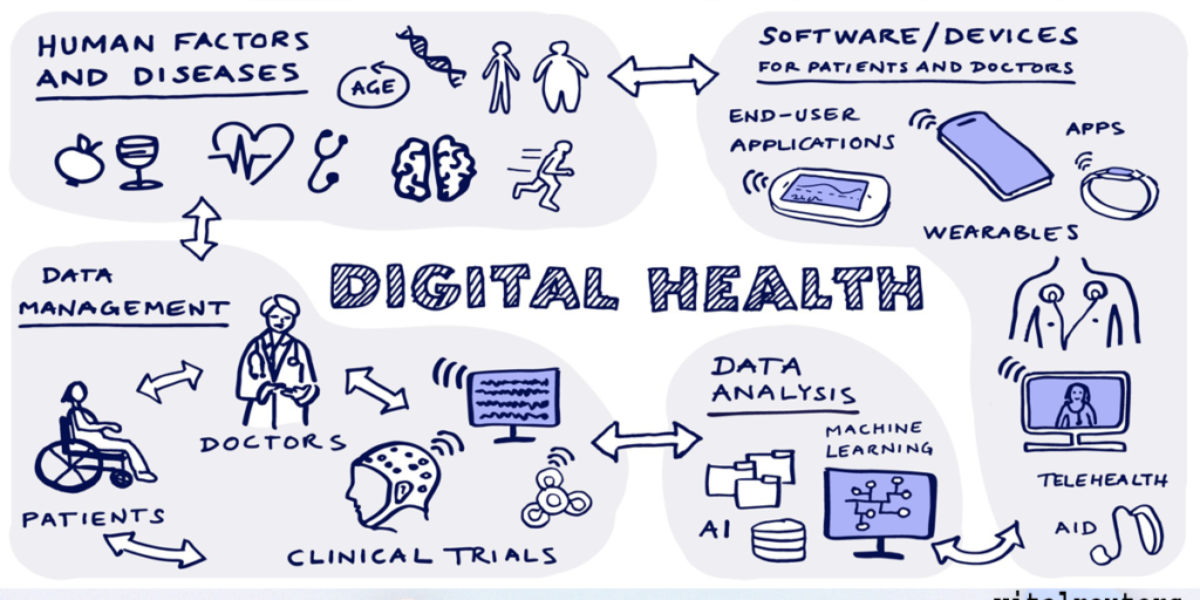
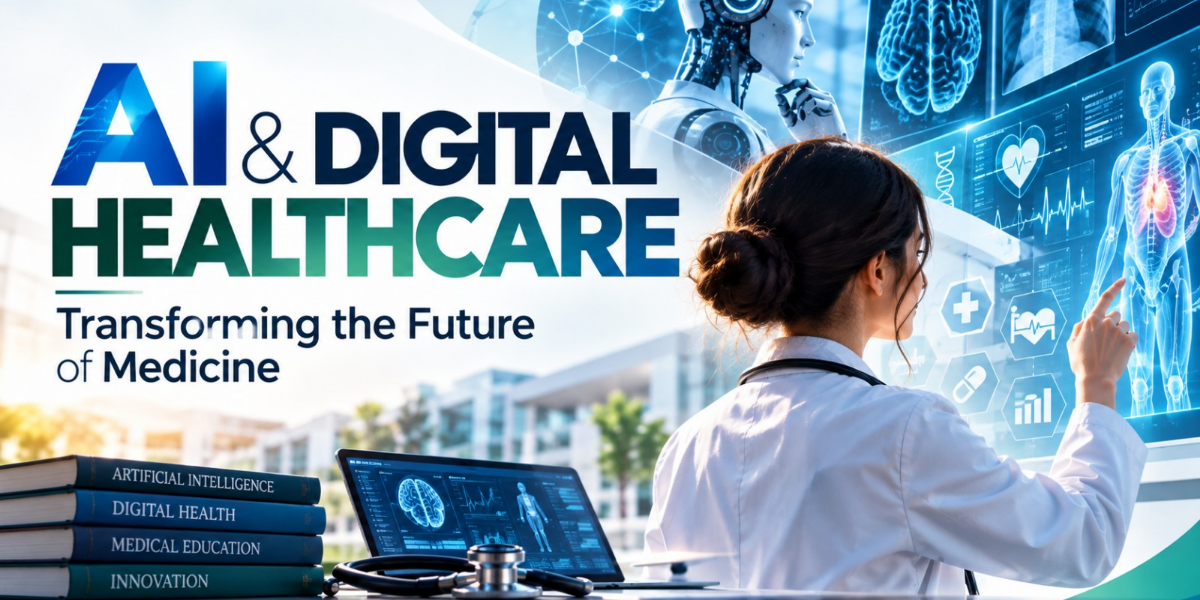
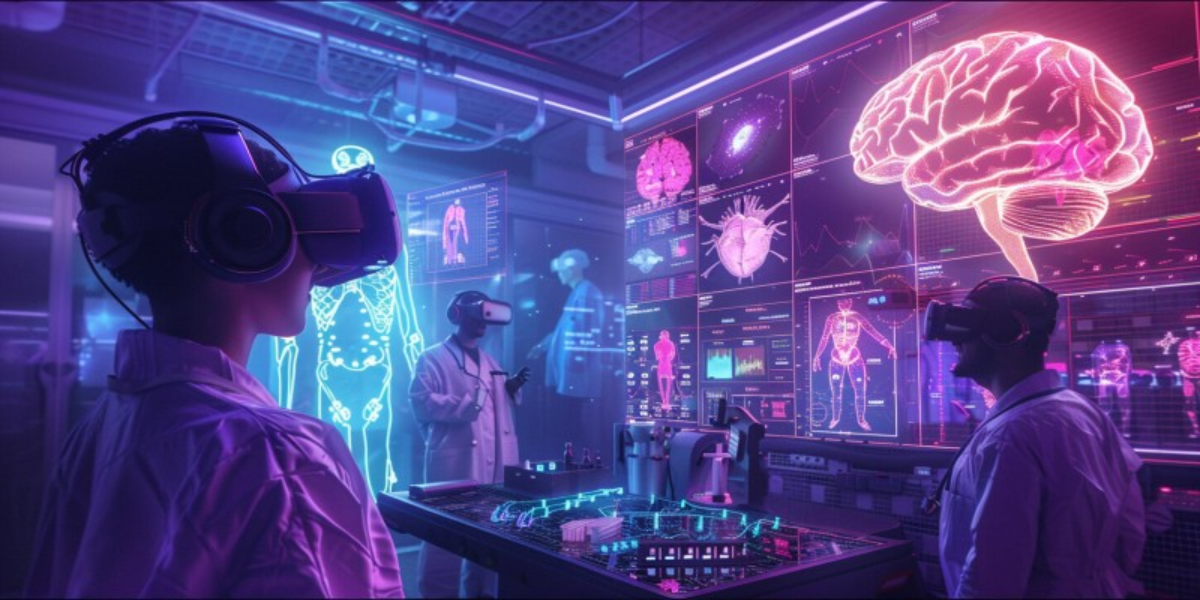
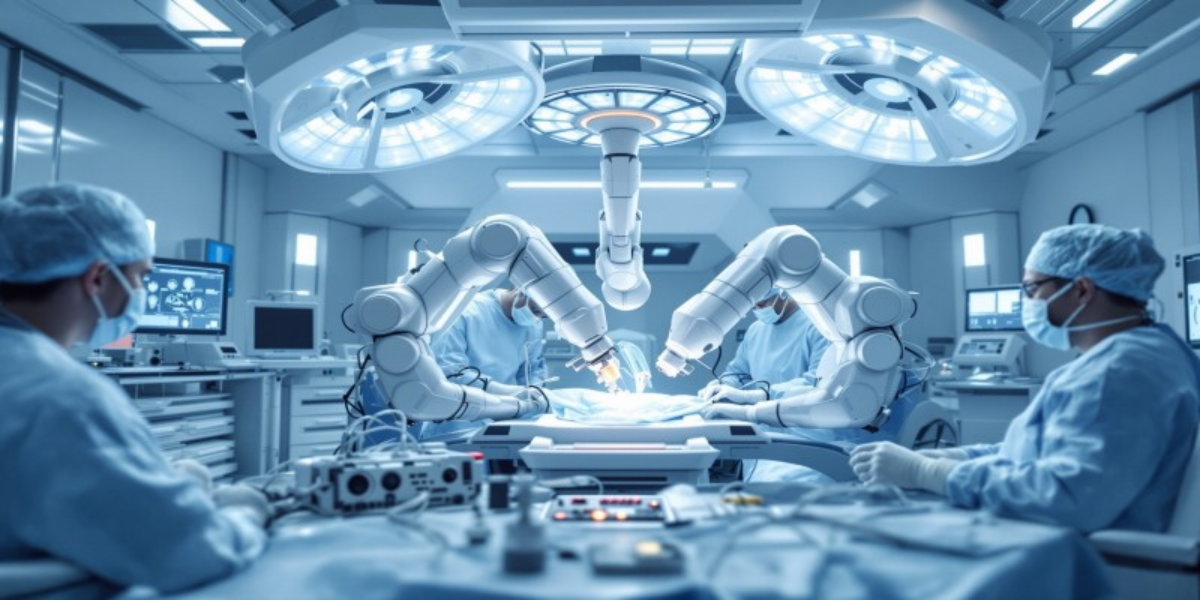
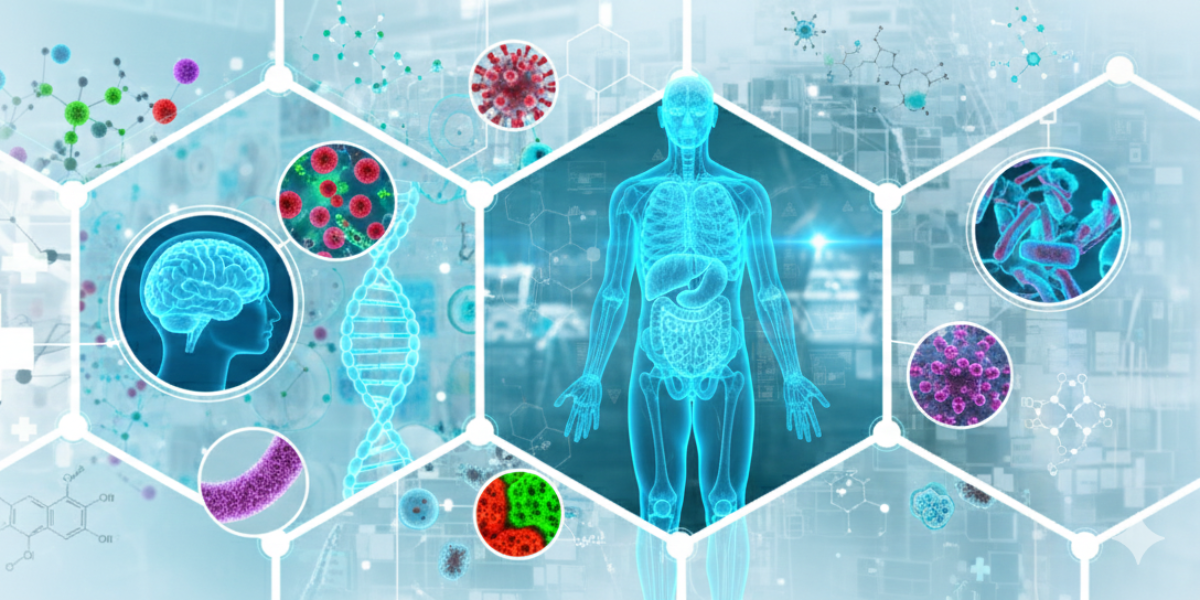
The global healthcare ecosystem is undergoing a dramatic, permanent transformation. As we navigate 2026, the traditional image of a physician armed solely with a stethoscope and a paper chart has officially become obsolete. Today, clinical spaces are heavily integrated with artificial intelligence, remote monitoring sensors, decentralized telehealth platforms, and cloud-based predictive analytics.
For aspiring medical professionals looking to enter the workforce, basic clinical competency is no longer the final milestone. Digital health literacy has become an essential prerequisite for safe and effective practice.
Medical institutions at the forefront of this educational shift, such as Abu Umara Medical & Dental College, Lahore, recognize that training modern physicians requires a curriculum that actively bridges the gap between biological science and digital innovation. Students entering medical school today must prepare for a future where algorithms and data vectors are just as common as traditional diagnostic tools.
The modern clinical encounter looks entirely different from it did even a few short years ago. Digital health technologies have fundamentally altered how data is gathered, evaluated, and actioned at the patient's bedside, requiring a new set of cognitive skills from physicians.
Navigating AI-Augmented Decision Making
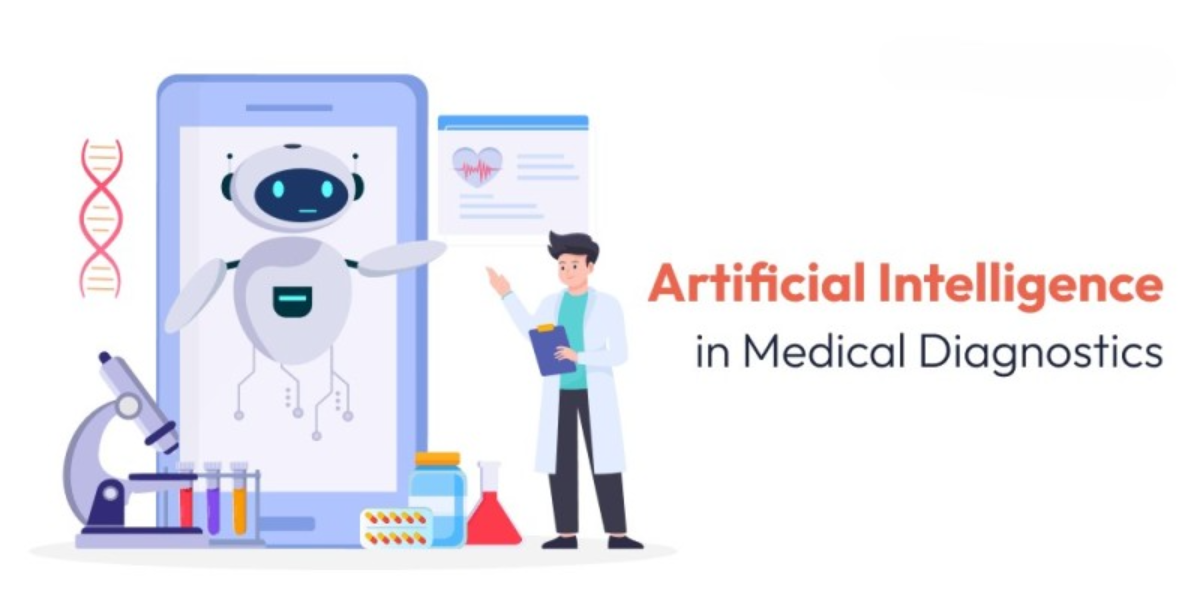
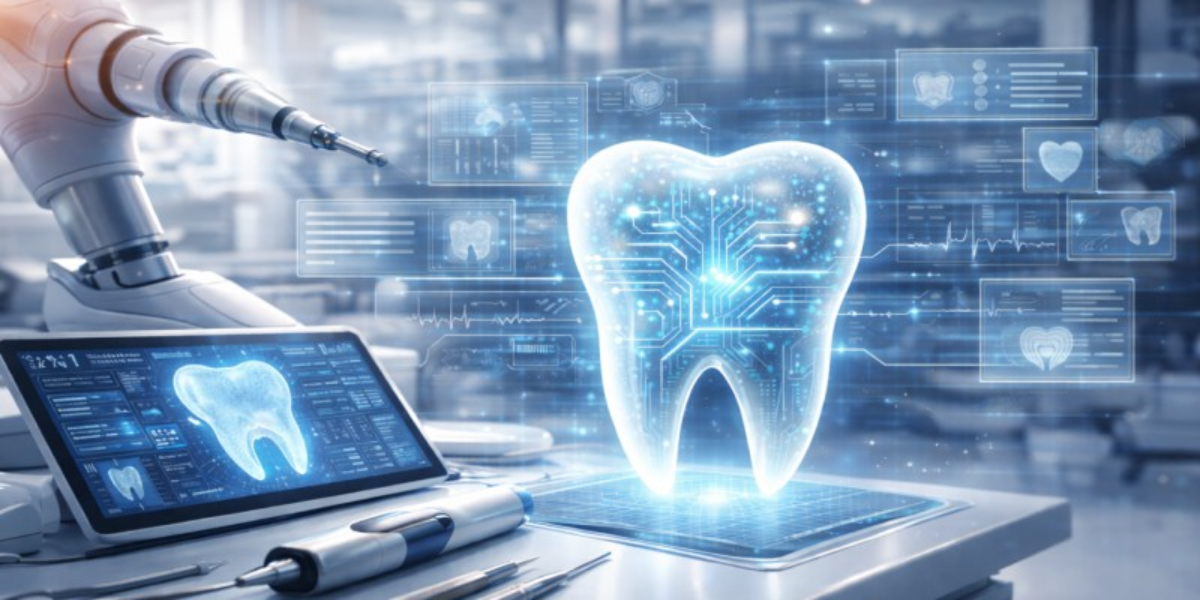
By 2026, artificial intelligence will have moved past passive administrative processing and into active, real-time diagnostic support. Future doctors do not need to learn how to code these complex algorithms, but they absolutely must possess the specific data literacy required to interpret their outputs safely.
A modern physician needs to understand the concept of algorithmic confidence intervals, identify potential training biases within the software, and know precisely when to confidently overrule an AI diagnostic recommendation based on a patient's acute clinical presentation.
The Dominance of Telehealth and Remote Monitoring
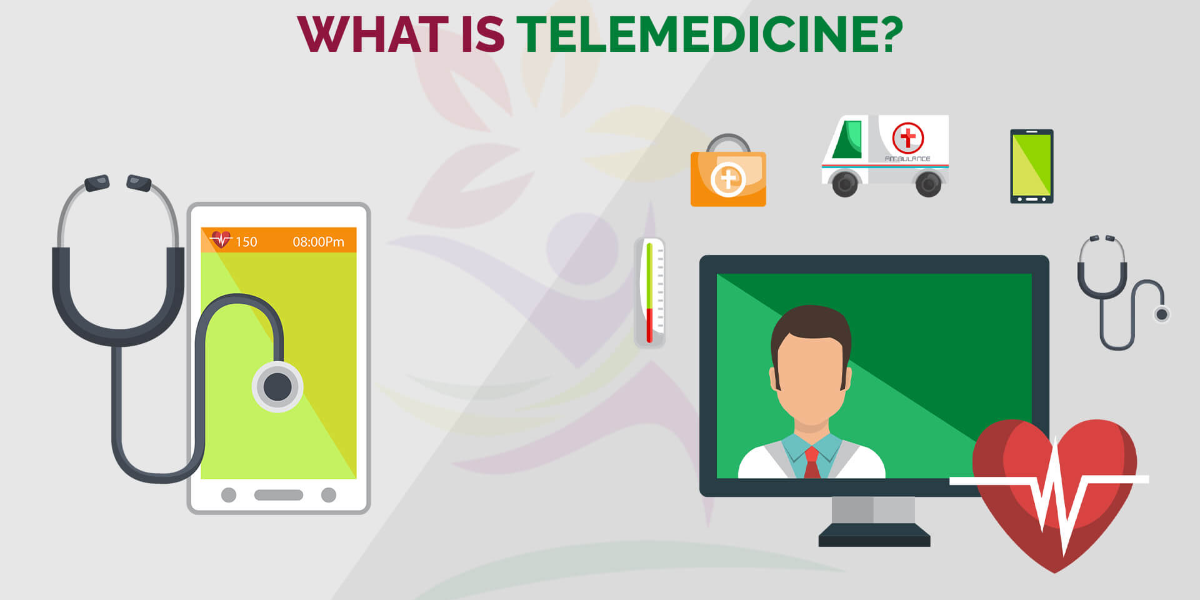
Virtual care is no longer viewed as a temporary fallback measure; it is a permanent cornerstone of global healthcare architecture. Today's medical students must master specialized communication and triage skills required to conduct complex clinical assessments over digital video interfaces.
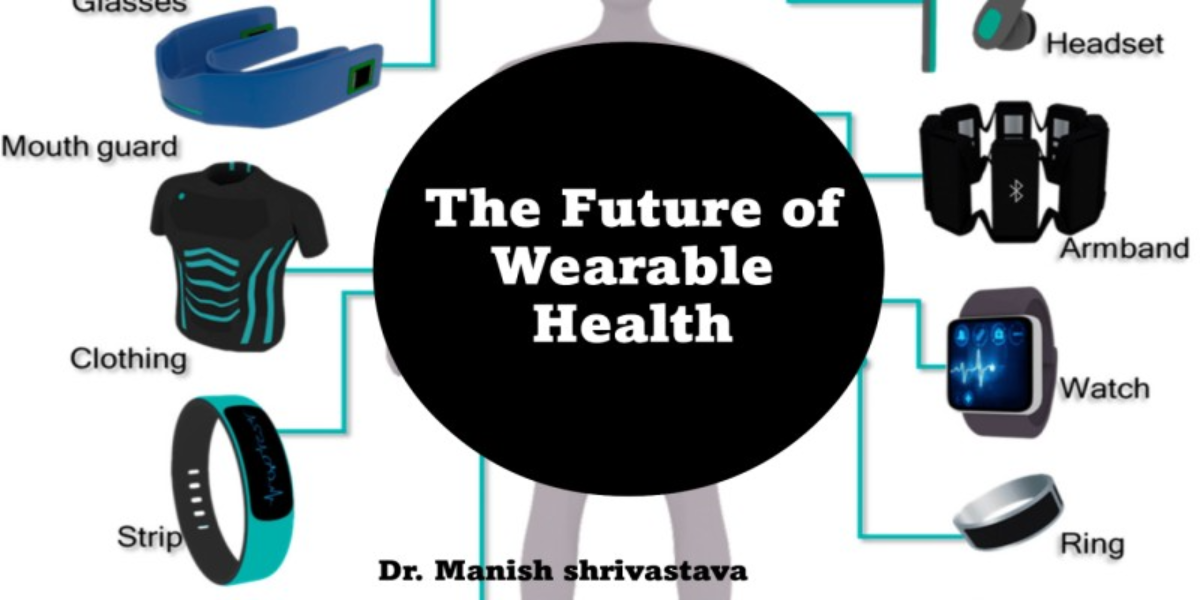
Furthermore, with the rapid rise of medical-grade wearables, doctors are now routinely expected to synthesize continuous, real-time biometric streams such as ambulatory electrocardiograms and interstitial glucose levels rather than relying entirely on isolated, in-person snapshots taken during a brief clinic visit.
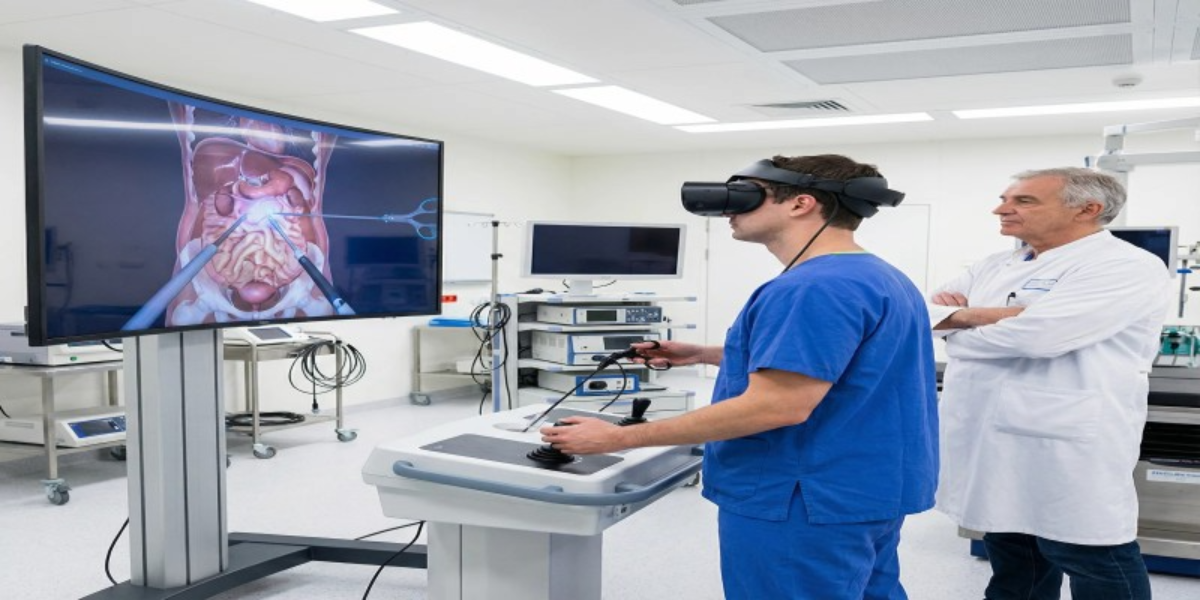
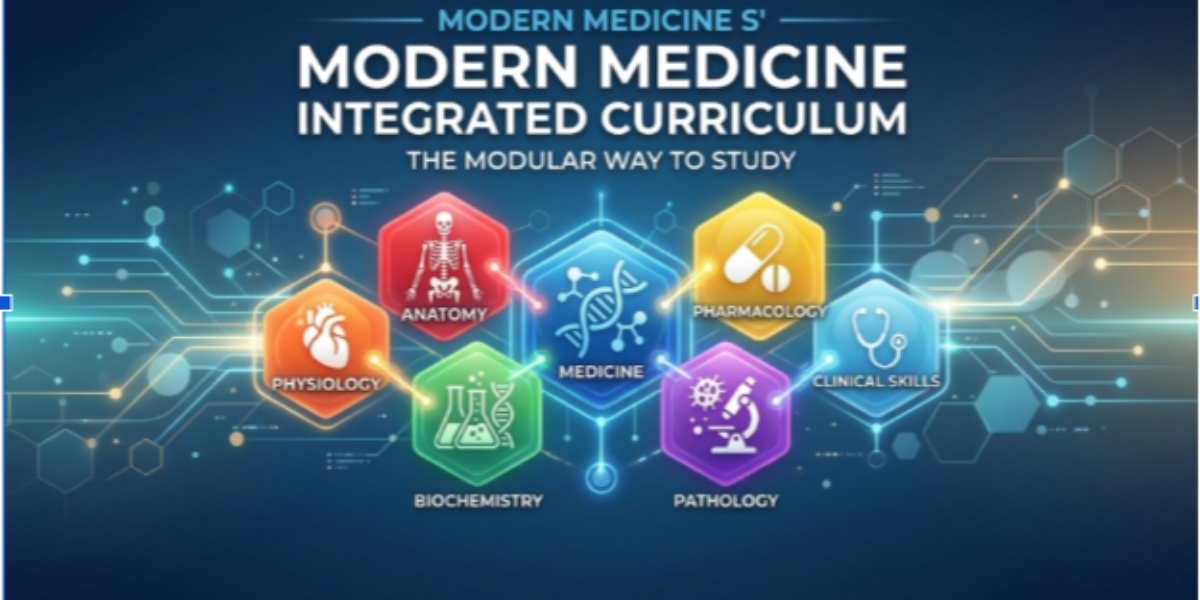
As these digital trends continue to accelerate, medical educational frameworks must adapt to ensure that core competencies directly reflect the daily requirements of modern clinical practice. The integration of technology into the classroom is no longer an optional elective but a foundational pillar of medical science.
Aligning Education with Modern Demands
This systemic alignment is a foundational aspect of professional readiness benchmarks. Graduates entering the residency phase are now explicitly expected to demonstrate clear proficiency in health informatics.
They must show the ability to seamlessly navigate digital data infrastructure, utilize electronic prescribing systems safely, and leverage digital tools to optimize patient safety and improve overall healthcare delivery systems.
Embarking on a career path that merges complex medical science with cutting-edge technology requires deliberate planning, academic preparation, and a thorough understanding of institutional requirements. Prospective students seeking to join this evolving professional landscape must be highly strategic about their educational journey.
Navigating the Admissions Process
Academic candidates can evaluate specific entry criteria, mandatory testing protocols, and registration deadlines by reviewing a structured Admission Guide. Understanding these prerequisites ensures that students can focus on meeting the rigorous academic standards required to enter a modern, tech-forward medical program.
Financial Planning for Medical Training
Simultaneously, evaluating the financial scope of long-term professional education is a practical necessity for families navigating private medical training. Students and their sponsors can review detailed tuition breakdowns, mandatory regulatory registration distributions, and merit-based scholarship matrices by examining the institutional Fee Structure.
Securing a clear understanding of these operational frameworks allows students to focus entirely on mastering the demanding medical and technical skill sets required of modern practitioners without unexpected financial disruptions.
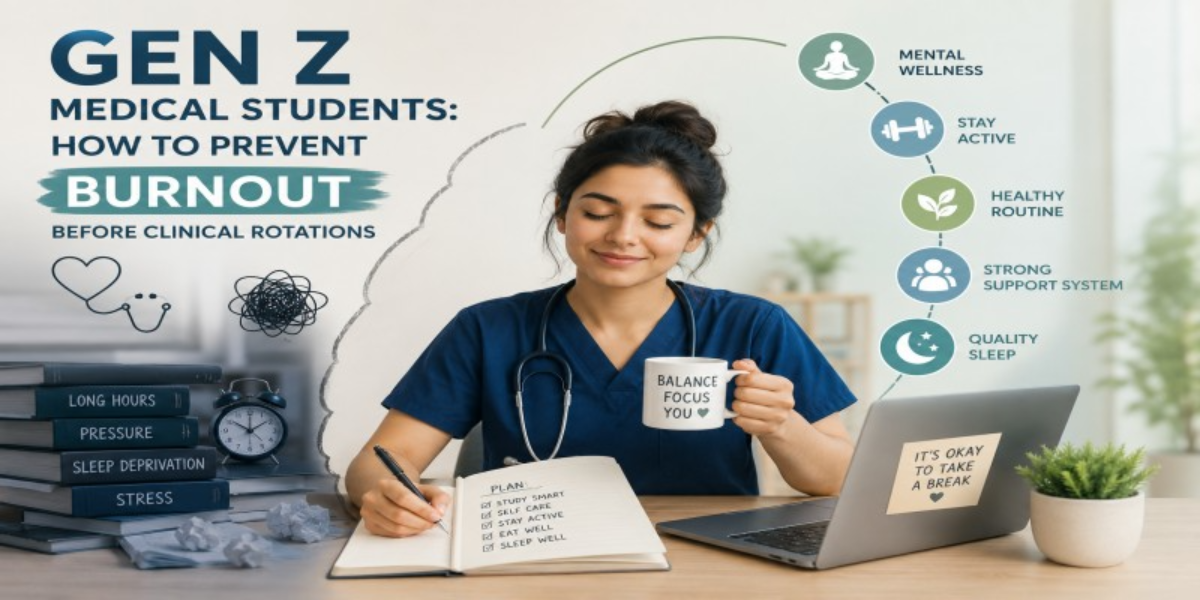
While the promise of digitized medicine is profound, the rapid influx of clinical technology introduces distinct psychological and professional challenges. Future physicians must be actively trained to manage these modern workplace hazards to maintain both their own well-being and the safety of their patients.
Combating Electronic Health Record Burnout
Modern electronic health record platforms generate massive amounts of administrative work, which is a leading cause of physician fatigue. Medical students must be trained from day one to utilize AI-driven scribes, automated charting macros, and voice-to-text software efficiently. Mastering these tools protects their mental bandwidth and preserves the crucial time needed for direct, human-to-human patient interaction.
Addressing Information Overload
Having access to constant patient data streams can easily lead to alarm fatigue, a dangerous phenomenon where critical clinical deviations risk getting lost in a sea of trivial digital notifications. Learning to set strict analytical thresholds and customizing digital alerts are vital skills for managing modern patient data clusters. Physicians must know how to filter out the digital noise so they can focus on the signals that actually matter to a patient's immediate health.
In 2026, digital health skills are no longer an elite specialization; they are standard, non-negotiable clinical requirements. The ultimate objective of integrating data science and health informatics into medical education is not to turn future doctors into software engineers, but to empower them to control the technological ecosystem around them.
By successfully combining classic clinical intuition with strong digital literacy, the next generation of physicians can ensure that technology serves its true and most important purpose: enhancing human empathy, optimizing diagnostic precision, and maximizing patient safety