Date: Jun 01, 2026
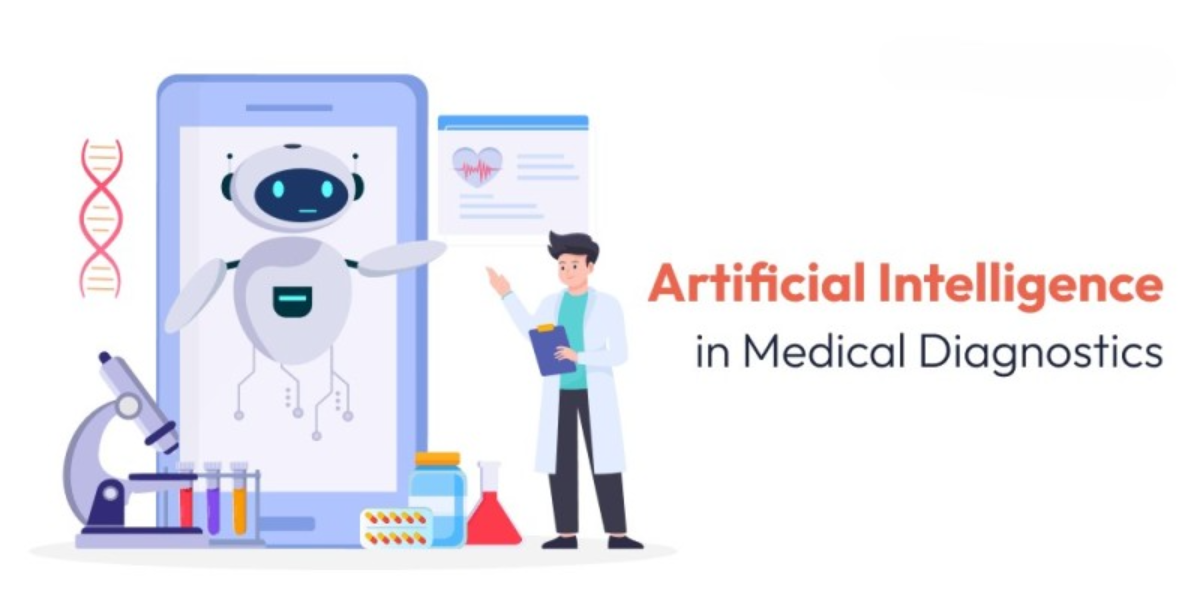
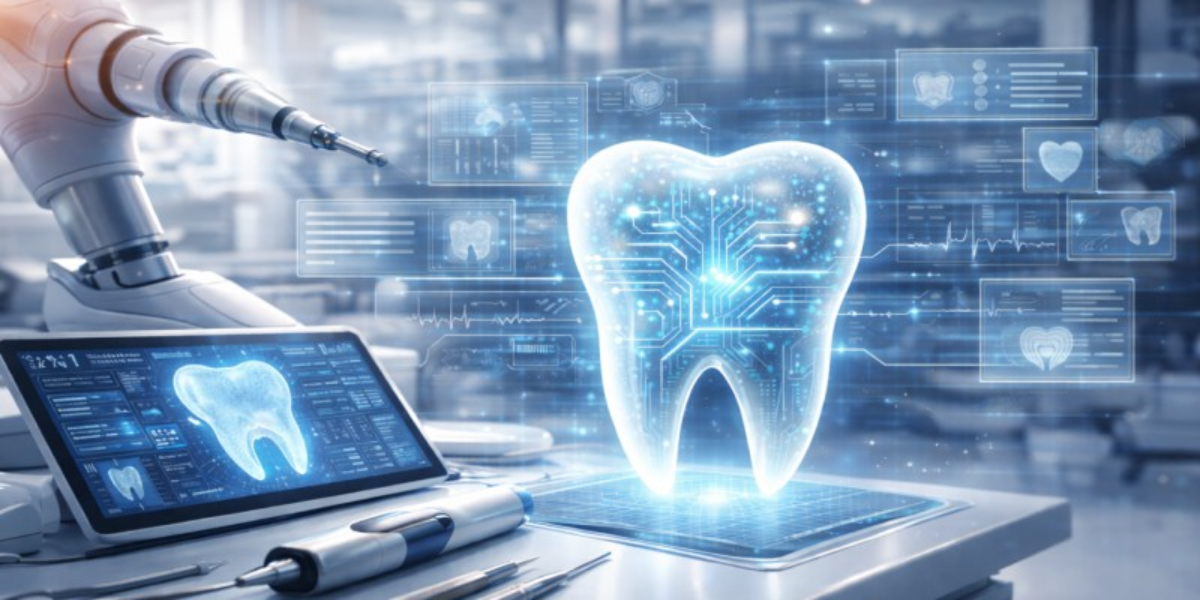
The integration of Artificial Intelligence (AI) into healthcare is no longer a futuristic concept; it is a rapidly unfolding reality. From interpreting complex medical imaging to predicting patient outcomes, AI is fundamentally changing how clinical decisions are made. For the next generation of medical professionals, this technological shift presents a profound transformation in how they will practice medicine.
Understanding the intersection of technology and healthcare is crucial for modern medical training, as highlighted in the foundational MBBS Outcomes. Future doctors must not only master traditional clinical skills but also learn to navigate an AI-augmented ecosystem.
AI brings unprecedented speed, accuracy, and analytical power to the medical field. For future doctors, these advancements serve as powerful tools to enhance patient care.
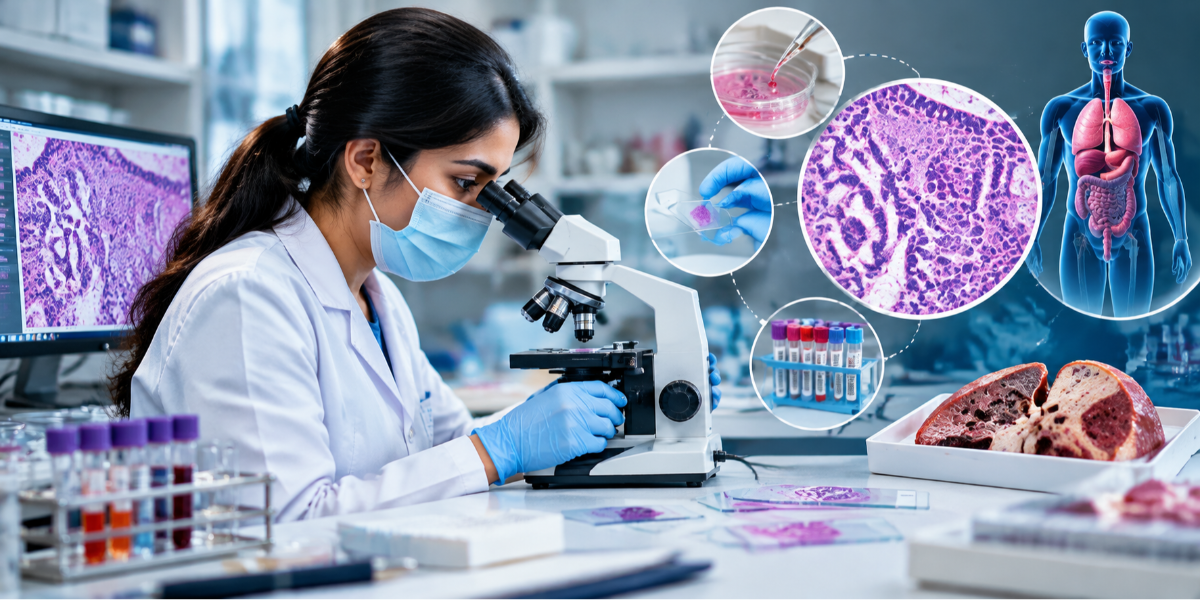
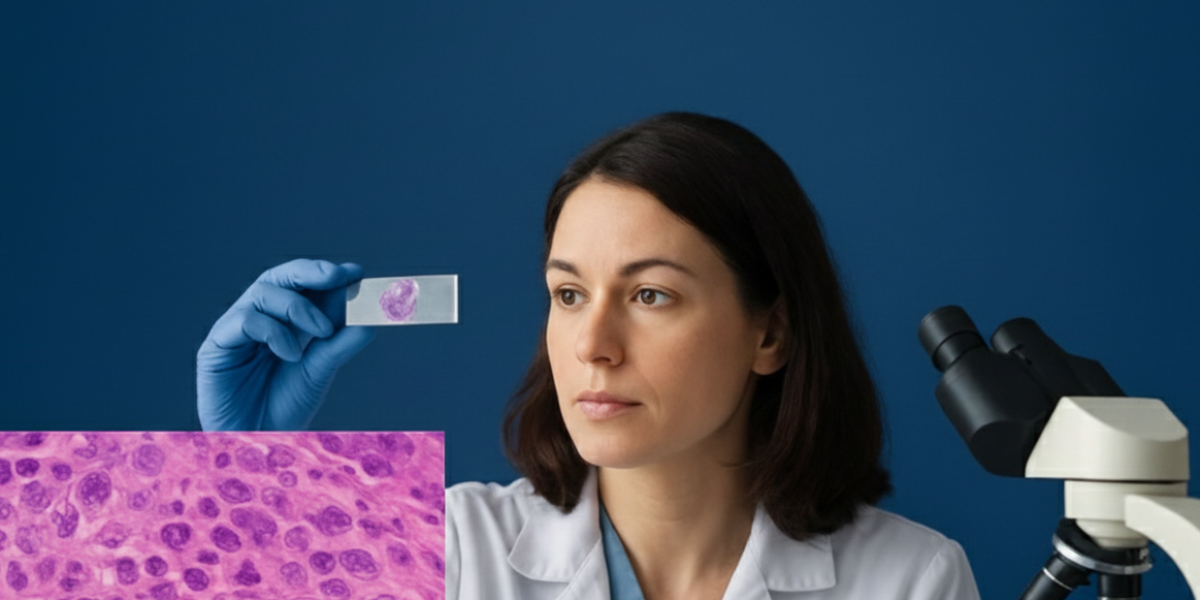
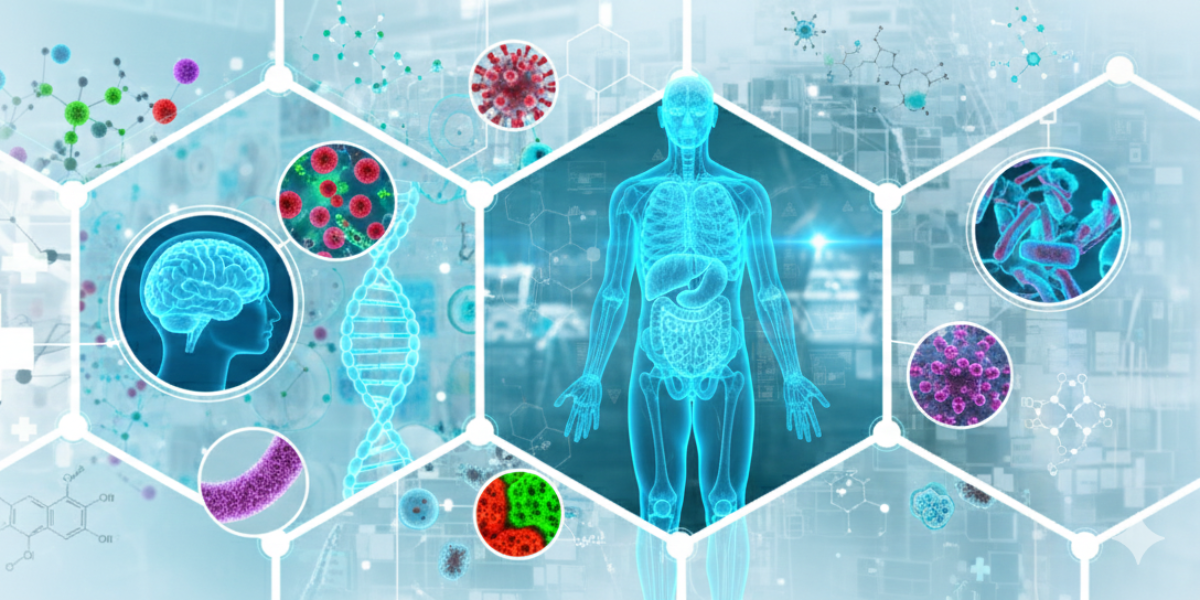
AI algorithms, particularly in deep learning, excel at pattern recognition. In fields like radiology, dermatology, and pathology, AI can analyze thousands of scans or biopsy slides in seconds, flagging anomalies that might be invisible to the human eye. This reduces diagnostic blind spots and accelerates the time to treatment.
Instead of a one-size-fits-all approach, AI allows future doctors to practice true precision medicine. By analyzing vast datasets including genetic profiles, lifestyle factors, and electronic health records, AI can predict a patient’s risk of developing specific conditions and suggest highly tailored treatment plans.
A significant portion of a doctor's day is consumed by administrative tasks, from documentation to sorting EHRs. AI-driven speech-to-text tools and automated charting can handle the paperwork, freeing up physicians to focus on what matters most: direct patient interaction and compassionate care.
While the potential of AI is immense, its integration into daily clinical practice introduces significant ethical, technical, and professional challenges.
Many advanced AI systems operate as a "black box," meaning their internal decision-making process is too complex for humans to easily trace. If an AI misdiagnoses a patient, where does the liability fall? Future doctors must learn how to critically evaluate AI recommendations rather than blindly trusting machine output.
AI is only as good as the data it is trained on. If the training data lacks diversity, the AI may produce biased results when applied to minority populations. Furthermore, protecting patient data from cyber threats and unauthorized access remains a paramount concern for digital healthcare infrastructure.
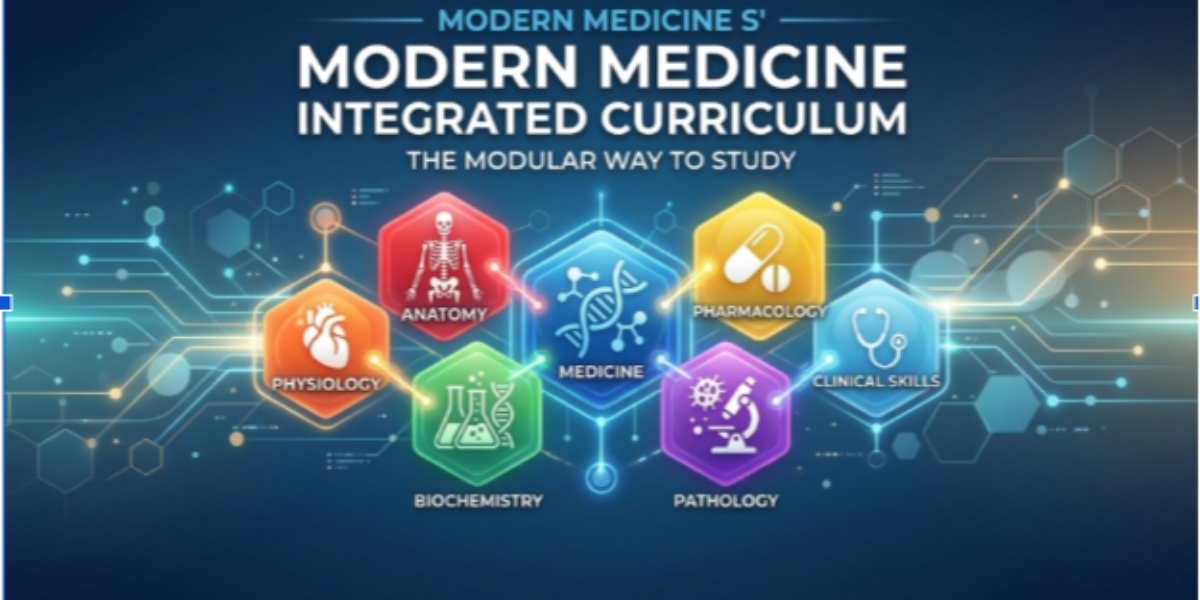
Medical curricula must rapidly evolve. Future doctors do not need to become computer scientists, but they do need "data literacy, an understanding of how AI tools function, their limitations, and how to interpret their probability metrics alongside clinical presentations.
In developing healthcare systems like Pakistan's, AI and digital health technologies offer a unique opportunity to leapfrog traditional infrastructural deficits.
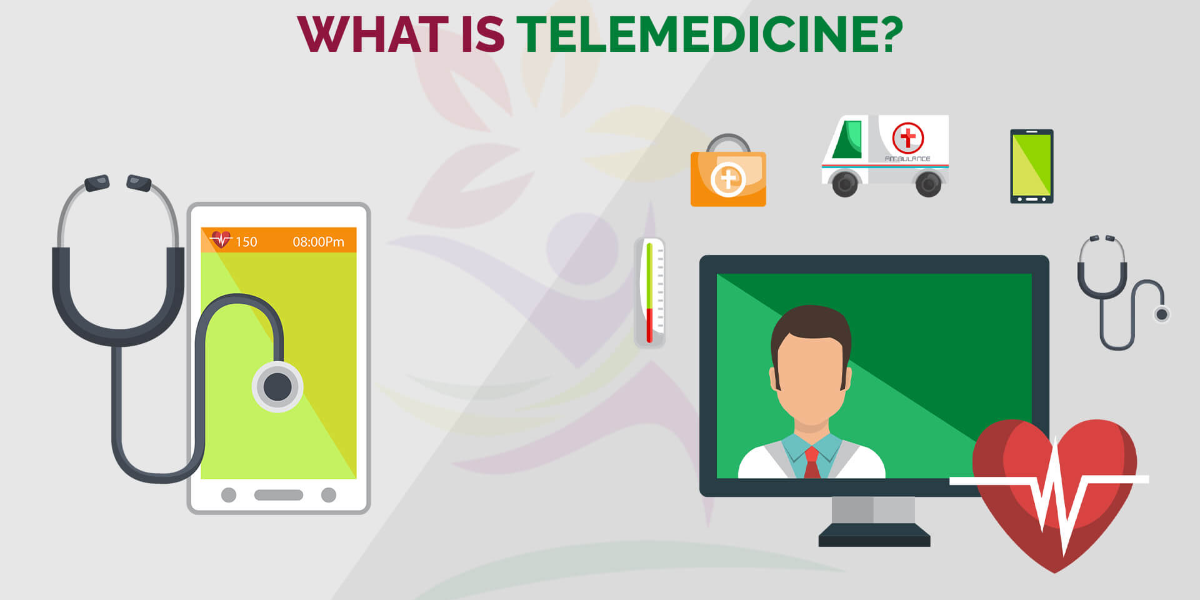
The groundwork for this digital transition is already being laid through remote care frameworks. As explored in The Rise of Telemedicine in Post-Pandemic Pakistan, the adoption of virtual care models has demonstrated both the immense potential and the infrastructural hurdles of tech-driven healthcare in the region. Integrating AI into these telemedicine networks could allow a centralized AI system to assist rural healthcare workers, effectively bringing expert-level diagnostic support to underserved communities across the country.
AI will not replace doctors, but doctors who use AI will undoubtedly replace doctors who do not. The future of medical diagnosis lies in a collaborative, symbiotic relationship where the analytical processing power of machines enhances the empathy, ethical judgment, and clinical intuition of the physician. For future doctors, embracing this technological evolution today is the key to safeguarding patient health tomorrow