Date: Apr 10, 2026
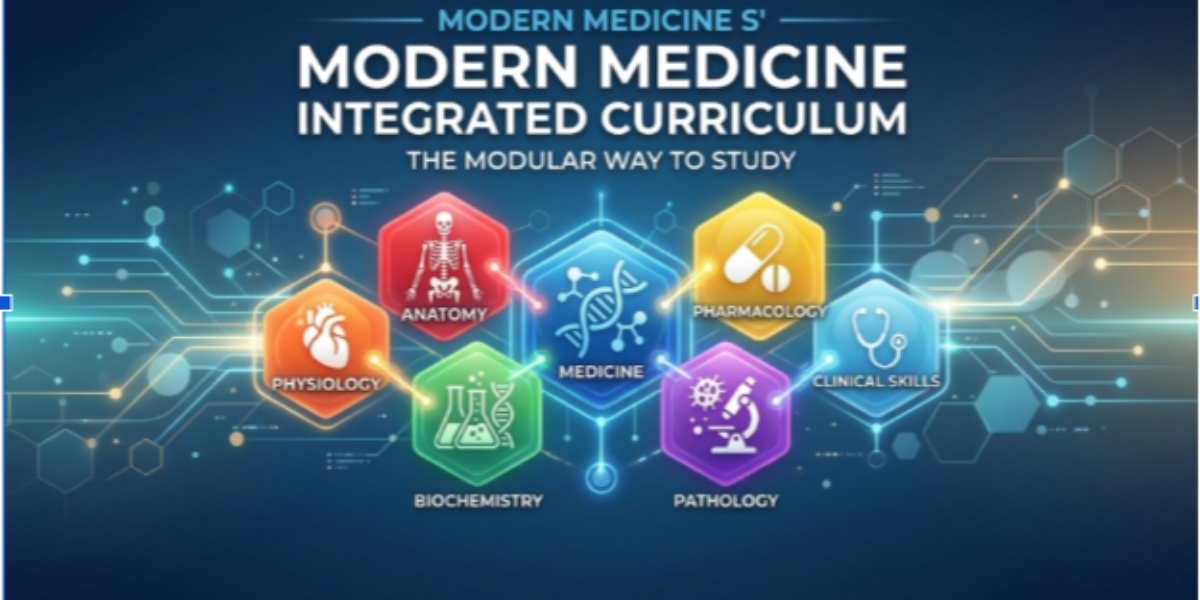
Medical education is undergoing a massive shift globally, moving away from traditional rote learning toward a more holistic, student-centered approach. One of the most significant advancements in this regard is the Integrated Modular Curriculum. This system is designed to bridge the gap between basic sciences and clinical practice, ensuring that students understand the "why" behind every medical condition from day one.
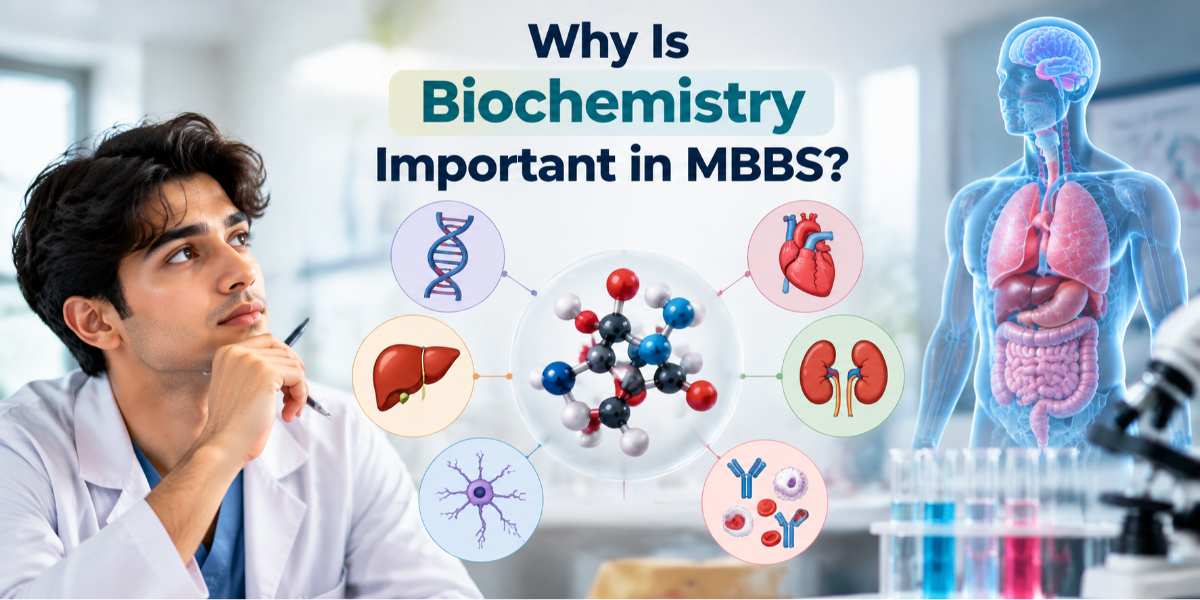
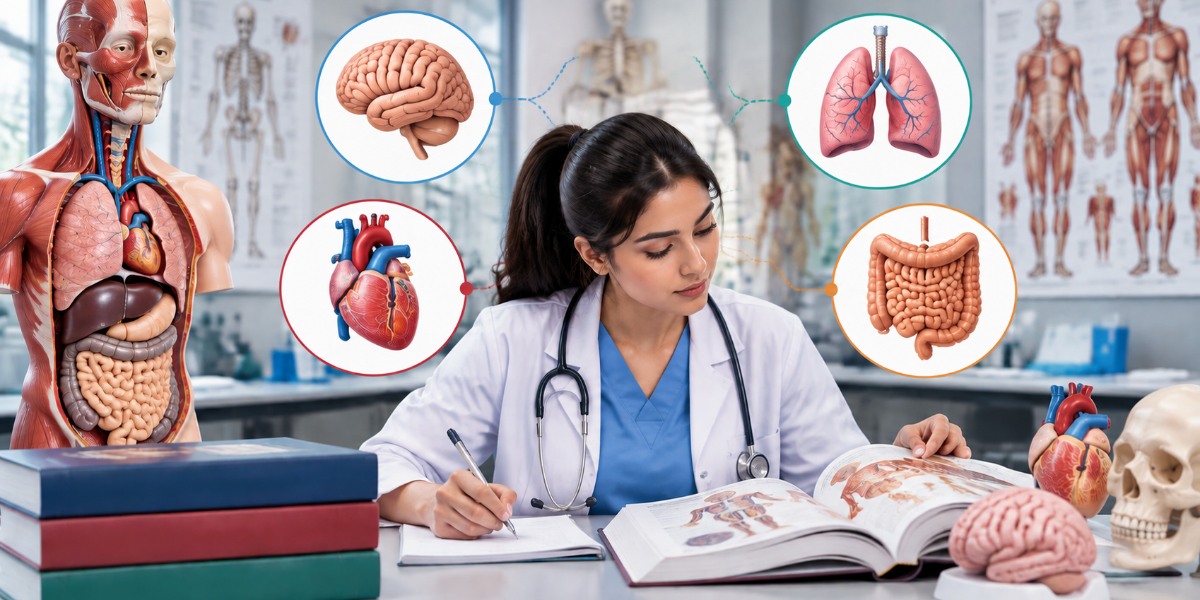
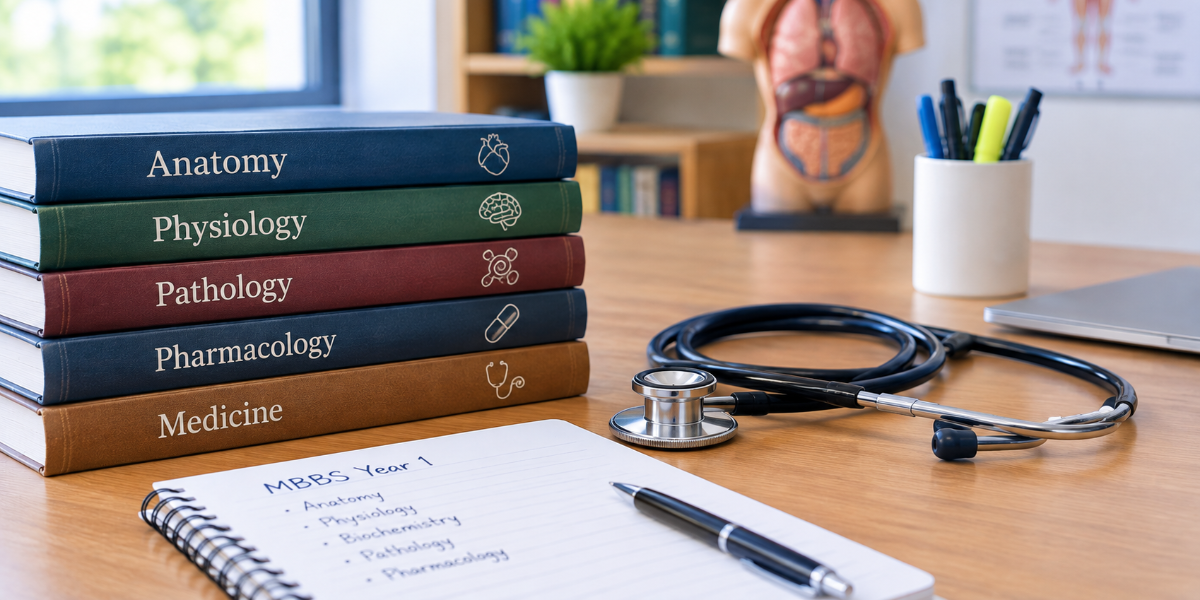
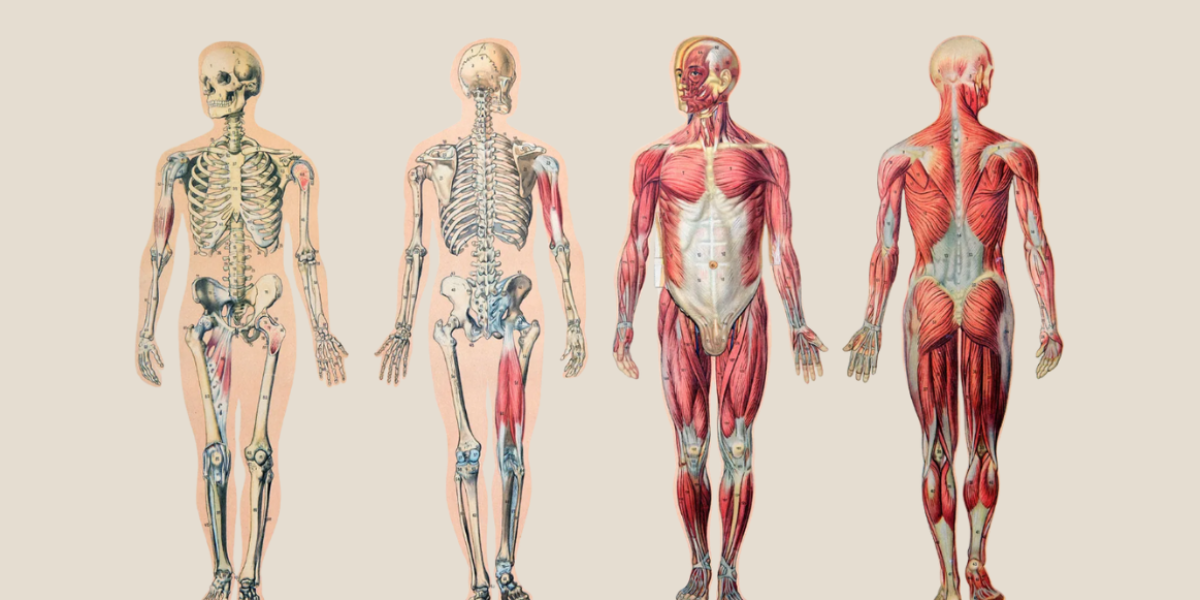
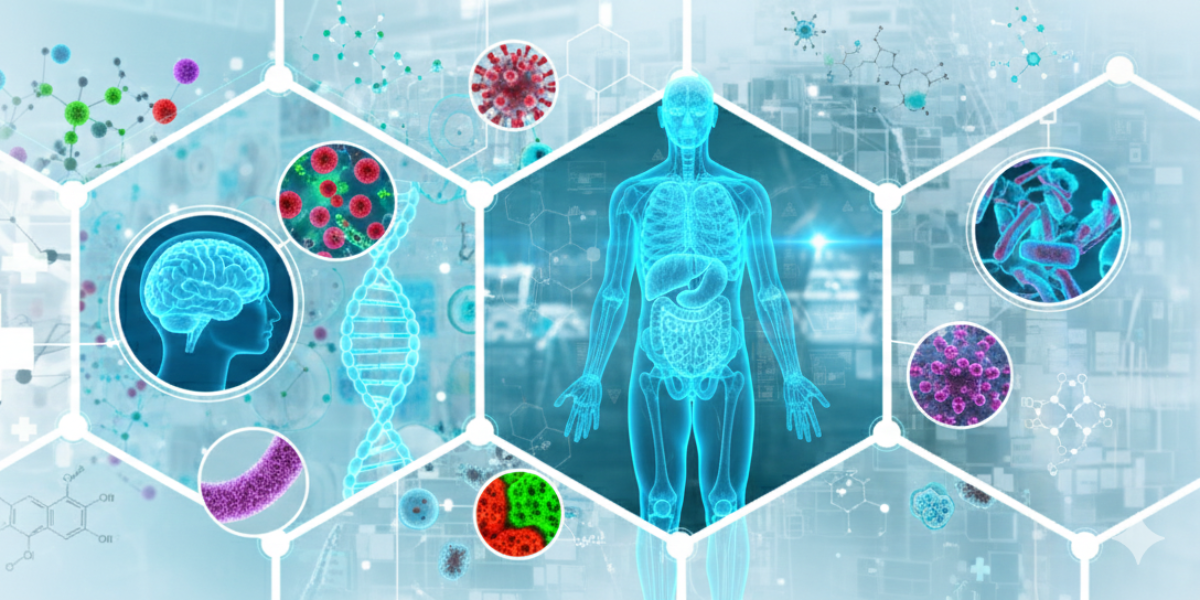
In the traditional system, students often studied subjects like Anatomy, Physiology, and Biochemistry in isolation. In a Modular Curriculum, these subjects are integrated into "Modules" based on organ systems (e.g., the Cardiovascular System or the Respiratory System).
When you study the heart, you learn its structure (Anatomy), how it functions (Physiology), and its chemical processes (Biochemistry) all at the same time. This provides a comprehensive understanding that sticks with the student much longer than isolated facts.
One of the primary goals of the modular system is to eliminate the culture of memorization. Instead of asking students to recall definitions, the modular approach uses Problem-Based Learning (PBL).
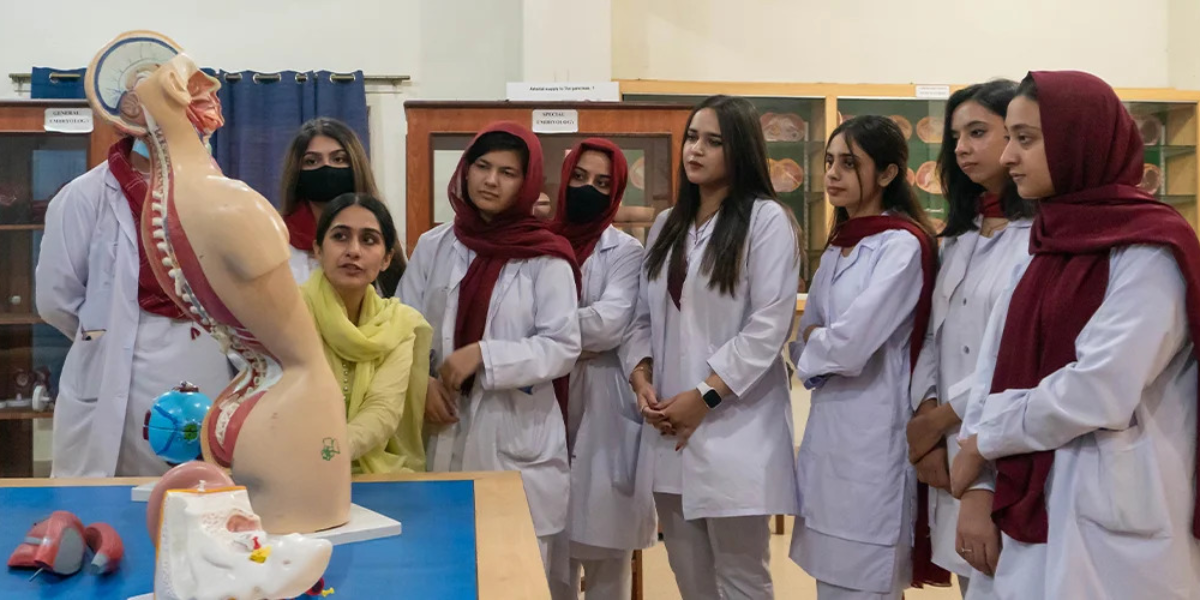
In the past, medical students wouldn't see a patient until their third year of study. The modern integrated approach introduces "Clinical Correlation" in the very first year. This means that while learning the theory of a system, students also observe how those theories apply to real-life patients in a hospital setting.
For those looking to understand the specific subjects and credit hours involved, exploring the detailed MBBS Curriculum is the best way to see how these modules are structured year by year.
Traditional annual exams can be incredibly stressful, as a year’s worth of knowledge is tested in a few days. The modular system uses continuous assessment. Students are tested at the end of each module, allowing for:
Most international licensing exams, such as the USMLE (USA) and PLAB (UK), are based on integrated clinical knowledge. By studying in a modular system, Pakistani students are better prepared to compete globally.
If you are an aspiring doctor ready to embrace this modern style of learning, make sure to check the Admission Guide to stay updated on the latest requirements and application deadlines.
The Integrated Modular Curriculum is not just a change in the timetable; it is a change in how we produce the doctors of tomorrow. By focusing on systems rather than subjects, and patients rather than just books, this modern approach ensures that graduates are ready to handle the complexities of 21st-century healthcare