Date: Apr 01, 2026
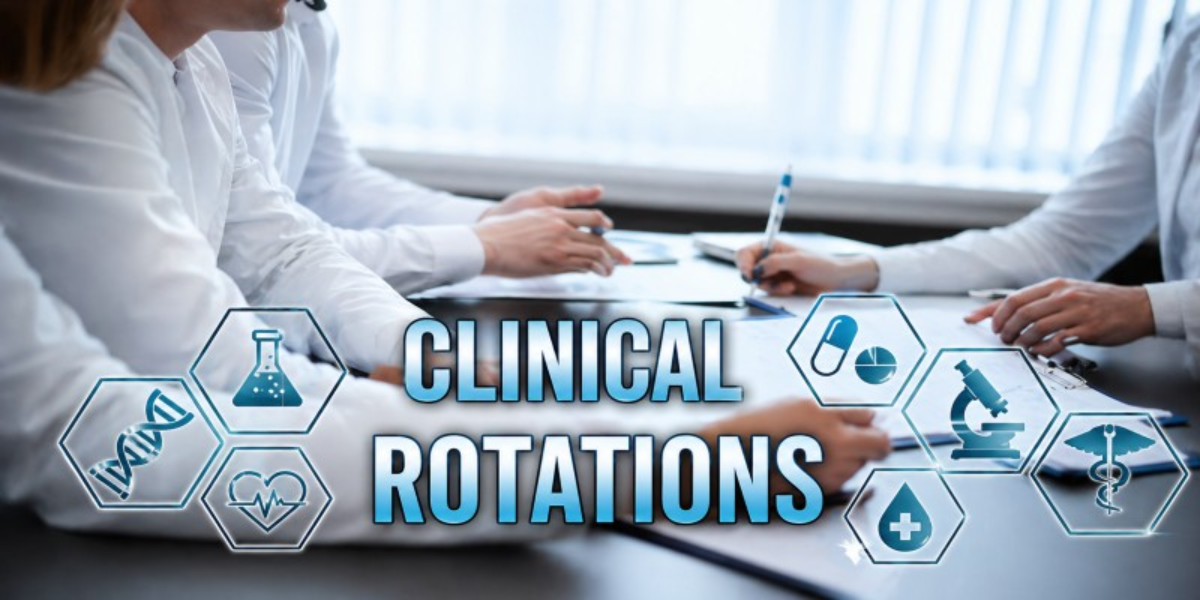
The transition from a classroom to a hospital ward is perhaps the most critical phase in a medical student’s journey. While textbooks provide the "what," clinical rotations provide the "how." In modern medical education, waiting until the final years to interact with patients is becoming a thing of the past. Here is why early hospital exposure is a game-changer for future healthcare professionals.
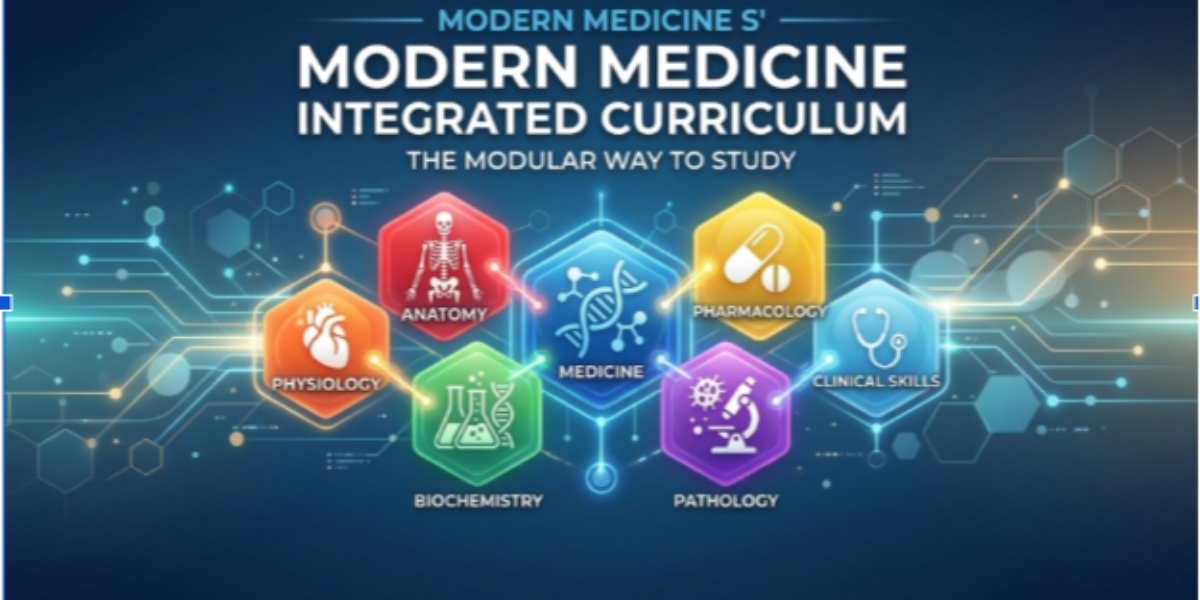
Reading about a heart murmur in a textbook is one thing; hearing it through a stethoscope on a real patient is another. Early clinical rotations allow students to visualize the symptoms and pathologies they are studying in their modules. This practical application cements theoretical knowledge, making it much harder to forget than a memorized paragraph.
A great doctor is not just someone who knows the right medicine, but someone who knows how to talk to a patient. Early exposure helps students develop empathy, active listening, and the ability to explain complex medical issues in simple terms. Learning how to comfort a distressed patient or talk to a concerned family is a skill that can only be mastered through experience, not lectures.
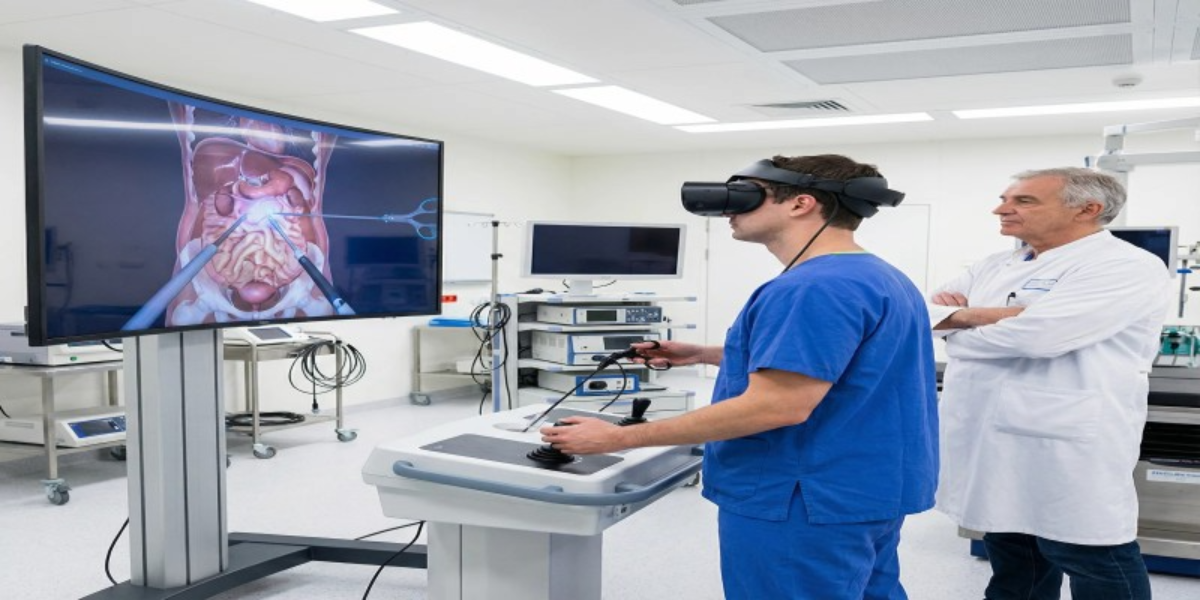
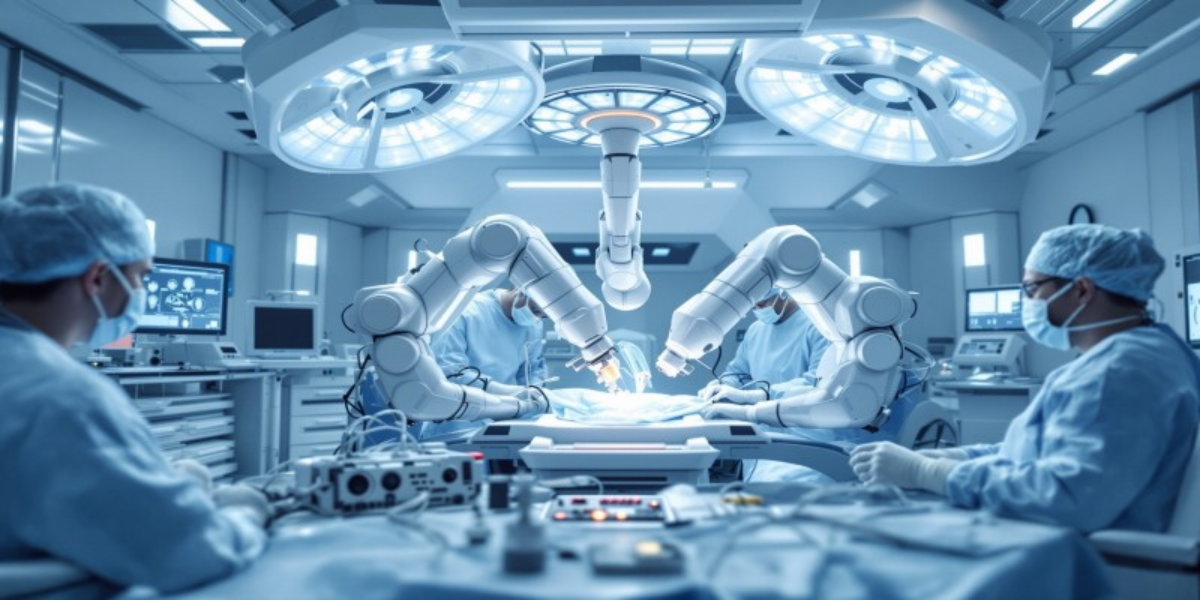
A hospital is a complex machine involving nurses, technicians, pharmacists, and administrators. By entering the clinical environment early, students learn the importance of the "Healthcare Team." Understanding how a lab report is processed or how a surgical theater is prepped gives students a holistic view of patient care that goes beyond just writing a prescription.
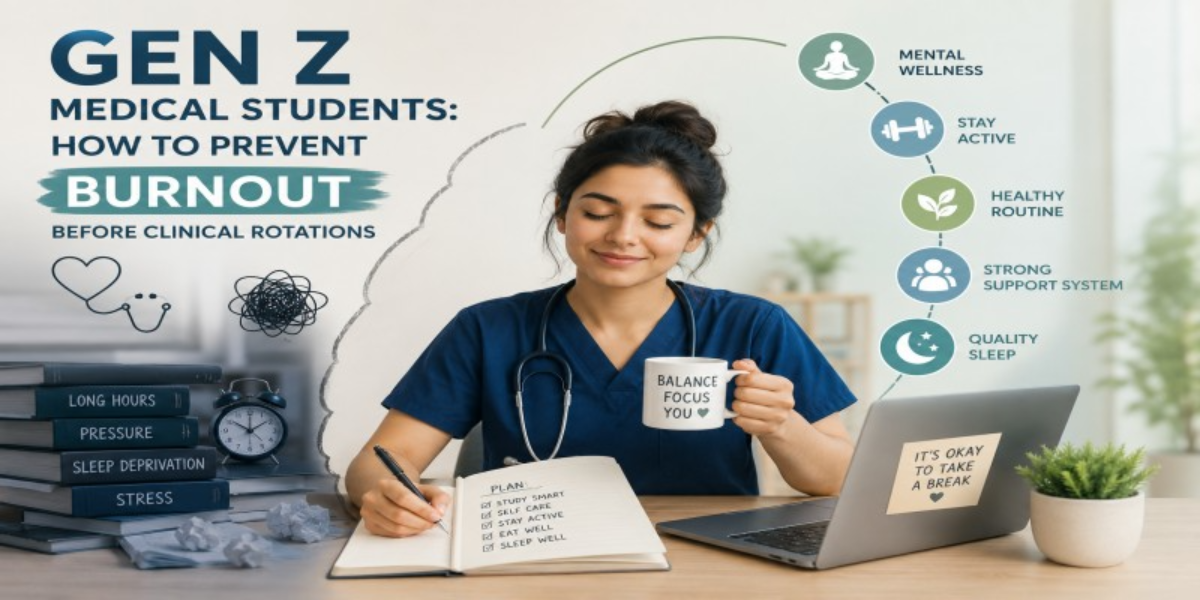
The life of a doctor is demanding, involving long hours and high-pressure situations. Starting clinical rotations early helps students build the physical and mental stamina required for the profession. It acclimatizes them to the hospital environment, reducing the "culture shock" that many students feel when they transition into full-time house jobs or residencies.
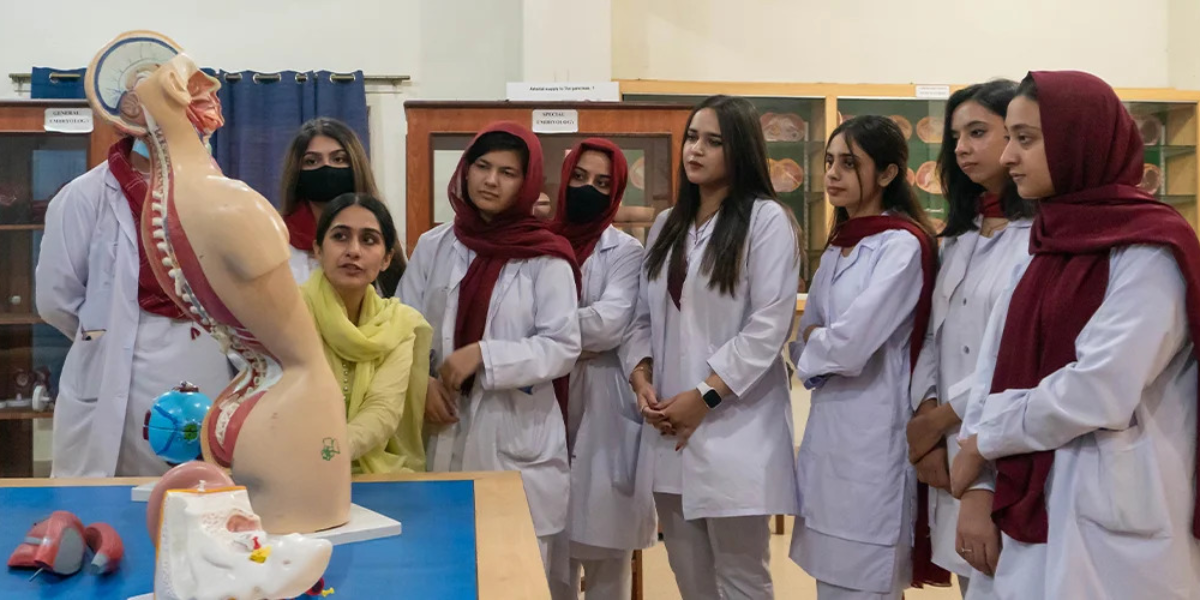
At Abu Umara Medical & Dental College, the emphasis is on creating "clinically ready" graduates. By providing access to high-standard teaching hospitals and expert faculty guidance, the institution ensures that students aren't just passing exams; they are learning the art of healing.
Many students enter medical school with a vague idea of what they want to do. Early rotations expose them to various departments, from Pediatrics to Neurosurgery, early on. This allows them to discover their passions and strengths much sooner, giving them a head start in preparing for specific post-graduate pathways like USMLE, PLAB, or FCPS.
Medicine is an apprenticeship as much as it is a science. The more time a student spends at the bedside, the more confident and competent they become. Early hospital exposure transforms a student from a "learner of facts" into a "practitioner of medicine," ensuring they are ready to serve the community with both skill and soul