Date: May 18, 2026
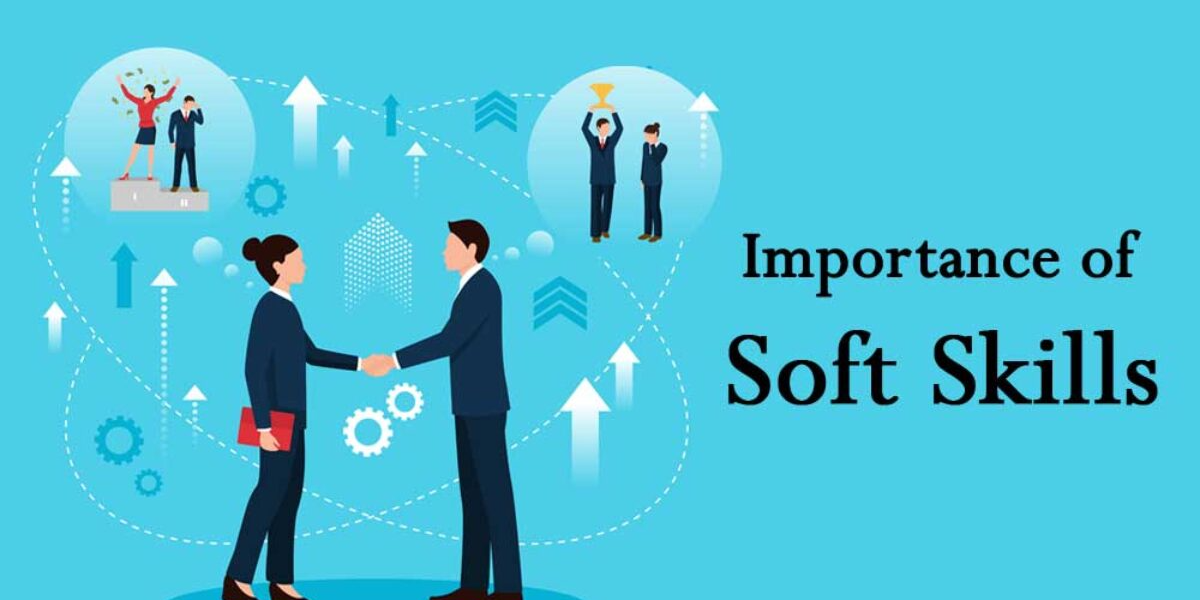
In the traditional view of medical education, the focus has predominantly been on technical mastery: the ability to memorize complex biochemical pathways, diagnose rare pathologies, and perform intricate surgical procedures. However, as the healthcare landscape evolves, there is a growing realization that clinical competence alone is not enough. A surgeon may perform a flawless operation, but if they cannot communicate effectively with the patient, the overall healing process remains incomplete. Soft skills, particularly communication, empathy, and active listening, are now recognized as core competencies that are just as vital as the scalpel or the prescription pad.
Soft skills in clinical practice refer to the non-technical abilities that allow a healthcare professional to interact effectively and harmoniously with patients and colleagues. This includes:
Effective communication is not just about being "nice"; it has a direct, measurable impact on patient health. Research shows that when patients feel heard and understood, their adherence to treatment plans increases significantly.
A significant percentage of medical errors are not due to technical failure but to a communication breakdown. Whether it is a misunderstood dosage instruction or a failure to hand over critical patient information between shifts, clear communication acts as a safety net. This is a key area highlighted in modern Researches, where data suggests that "soft" failures often lead to hard clinical consequences.
When a patient trusts their doctor, their stress levels (cortisol) decrease. This physiological state of relaxation can actually accelerate the healing process. Conversely, a brusque or dismissive attitude can trigger a "nocebo" effect, where the patient’s anxiety exacerbates their physical symptoms.
The relationship between a doctor and a patient is a partnership. In modern medicine, the model has shifted from "Paternalism" (the doctor knows best) to "Shared Decision Making."
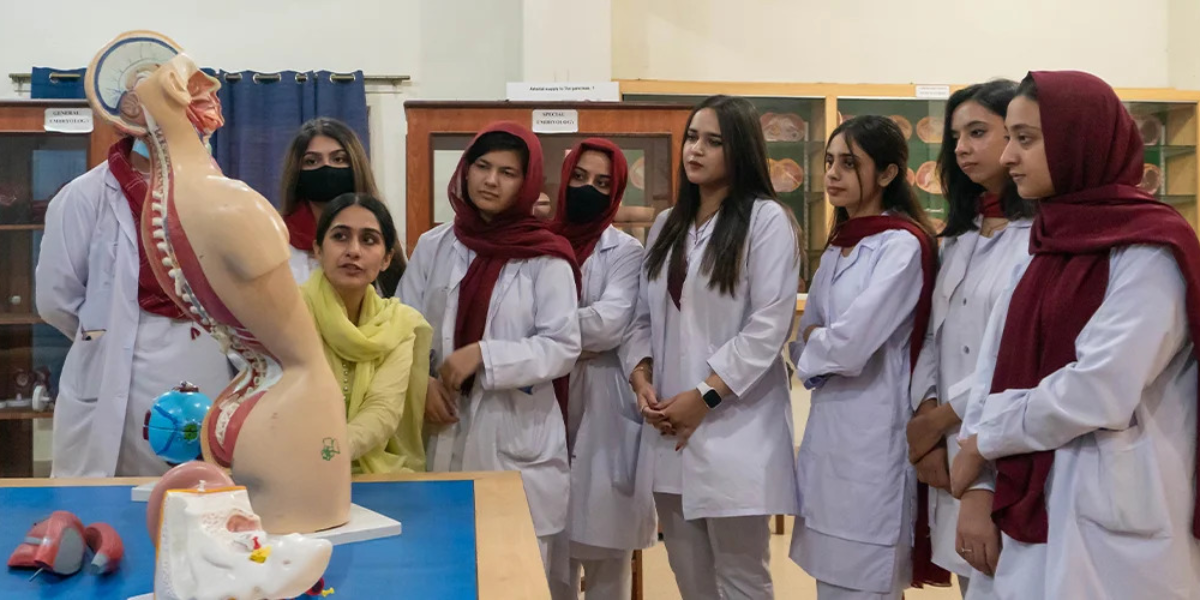
Recognizing the shift in global standards, leading institutions are now integrating behavioral sciences into their curriculum. It is no longer enough to be a top scorer; students must demonstrate the ability to lead a team and console a grieving family. At our campus, we frequently highlight workshops and seminars dedicated to these interpersonal skills in our News & Events section. By participating in these activities, students learn that a doctor’s greatest tool is often their voice and their ears.
Soft skills extend beyond the patient's bedside. Modern medicine is a team sport. A doctor must communicate effectively with nurses, pharmacists, and technicians. A lack of respect or poor communication within a surgical team can lead to disastrous outcomes in the operating theater. Professionalism involves humility and the ability to accept feedback, which are essential for long-term career growth.
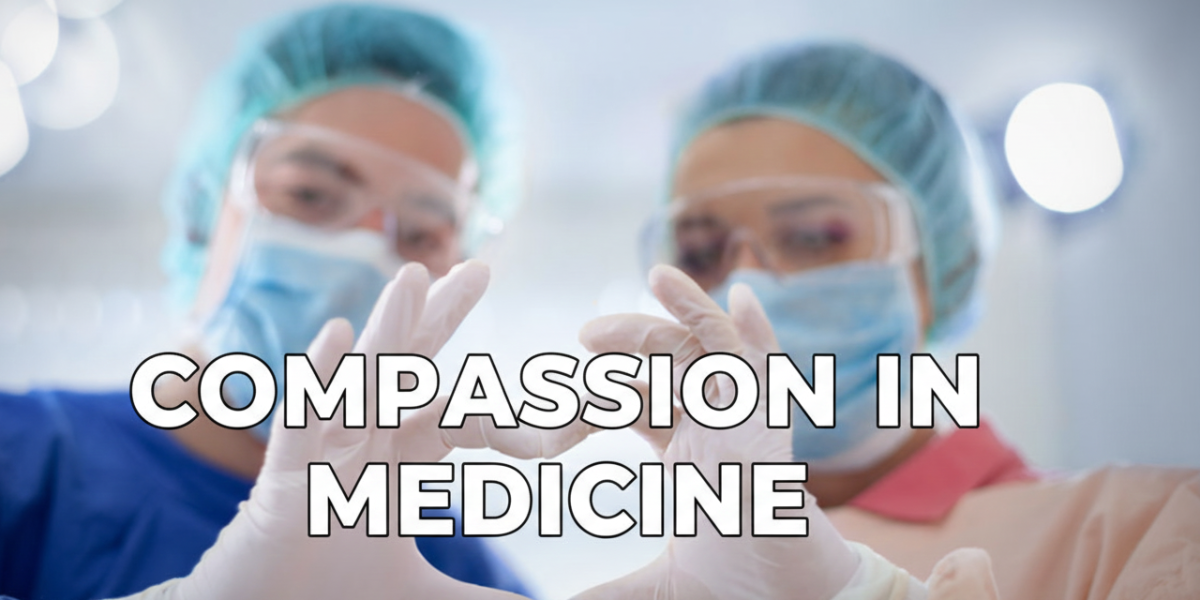
The scalpel can heal the body, but the spirit requires a different kind of care. Communication is the bridge that connects medical knowledge to the human experience. As we move further into an age of technology and automation, the "human" element of medicine becomes even more precious. For the medical professionals of the future, the message is clear: your technical skills will get you the job, but your soft skills will make you a great doctor. Never underestimate the power of a kind word or a listening ear; it is often the most potent medicine a doctor can prescribe.
For more insights into clinical excellence and student life, explore our latest updates in the blogs section