Date: Jul 06, 2026
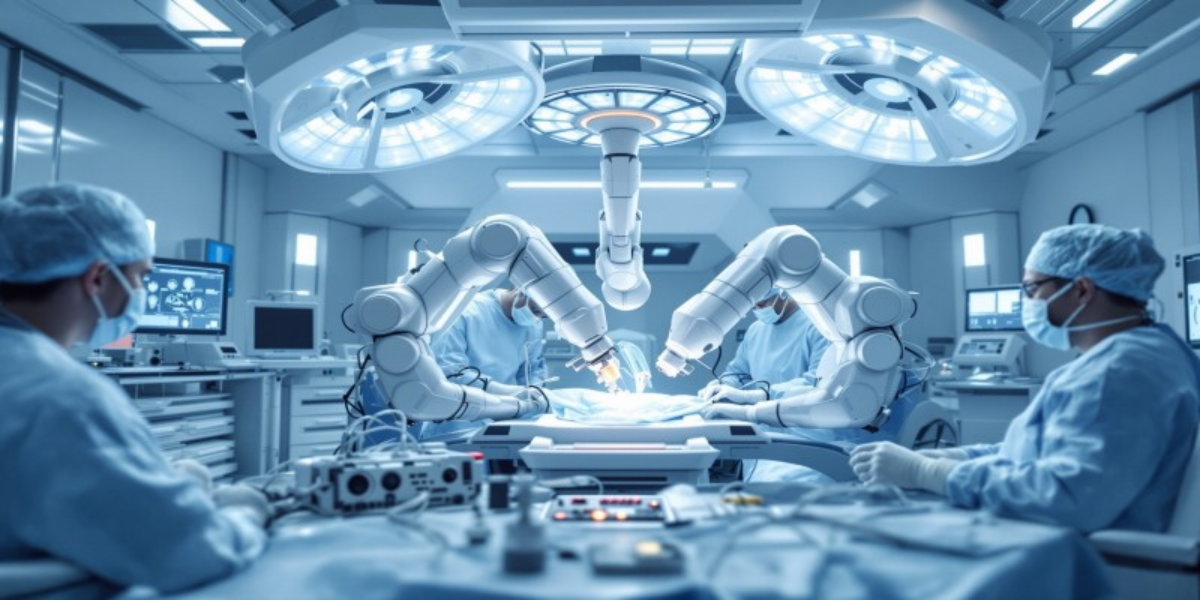
The days when surgery was defined solely by large open incisions and manual tactile feedback are rapidly changing. Today, the operating room is becoming a hub for human-machine collaboration. Robotic-assisted surgery is shifting from a futuristic novelty into an accessible clinical standard worldwide. If you are an aspiring healthcare professional looking to enter this rapidly evolving field, consulting an official Admission Guide can help you identify medical programs that purposefully incorporate cutting-edge advancements right from the start of your academic journey.
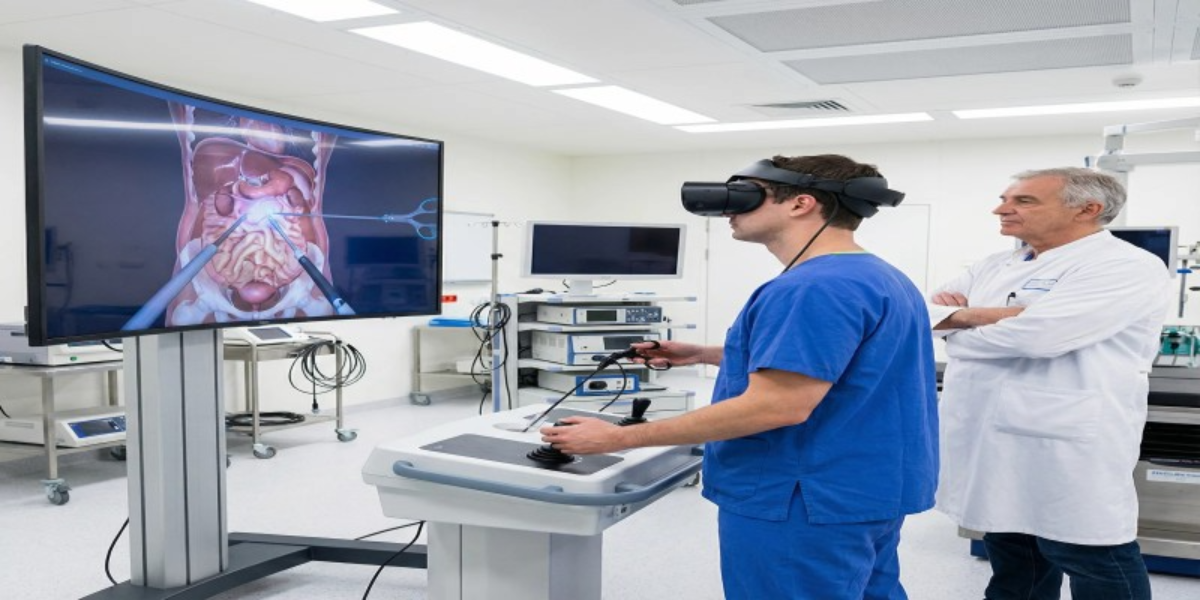
Robotic surgery does not mean an autonomous machine is operating on a patient. Instead, it relies on a master-slave configuration where a highly trained human surgeon sits at a computer console a few feet away from the operating table. The surgeon manipulates hand controls and foot pedals, viewing the surgical field through a high-definition, three-dimensional camera. The robotic system translates these manual movements into precise, micro-scaled actions inside the patient’s body via multi-jointed robotic arms.
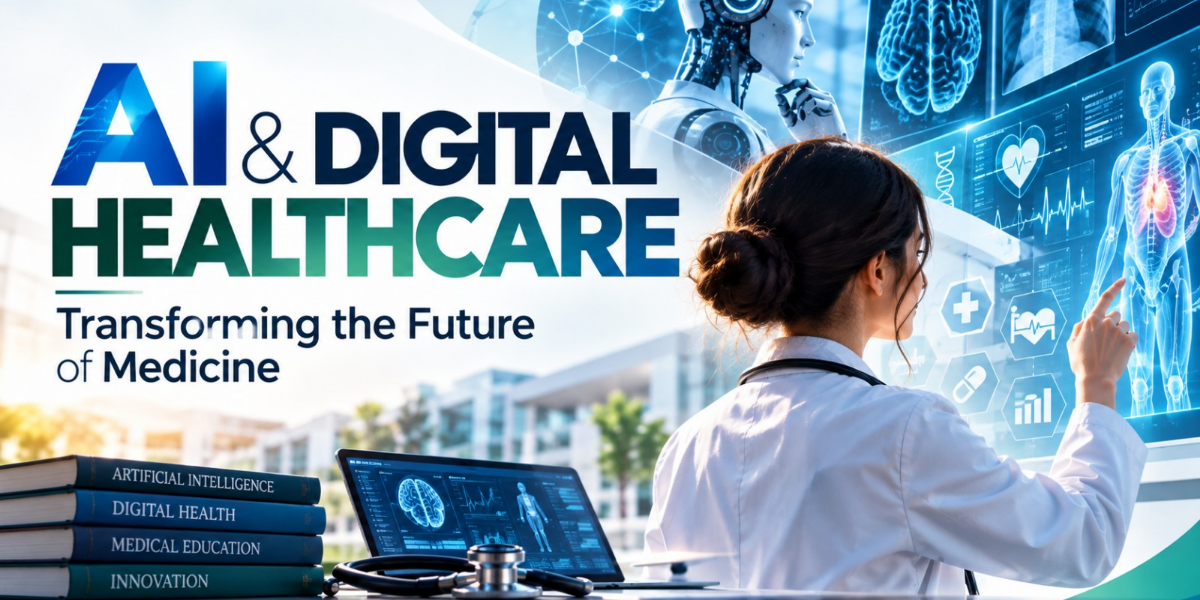
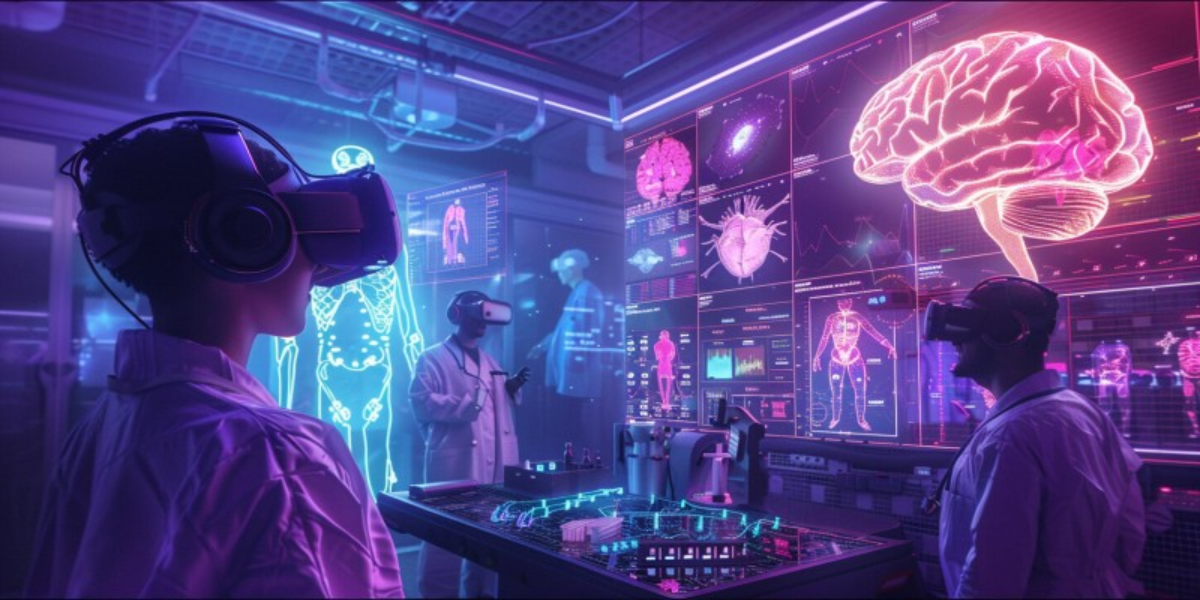
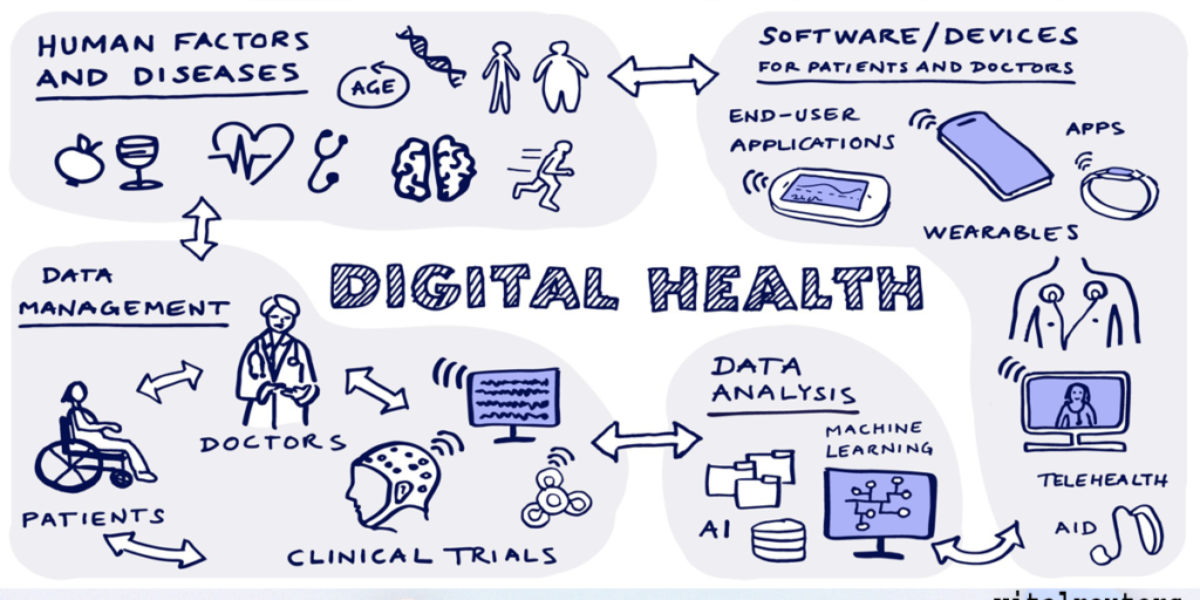
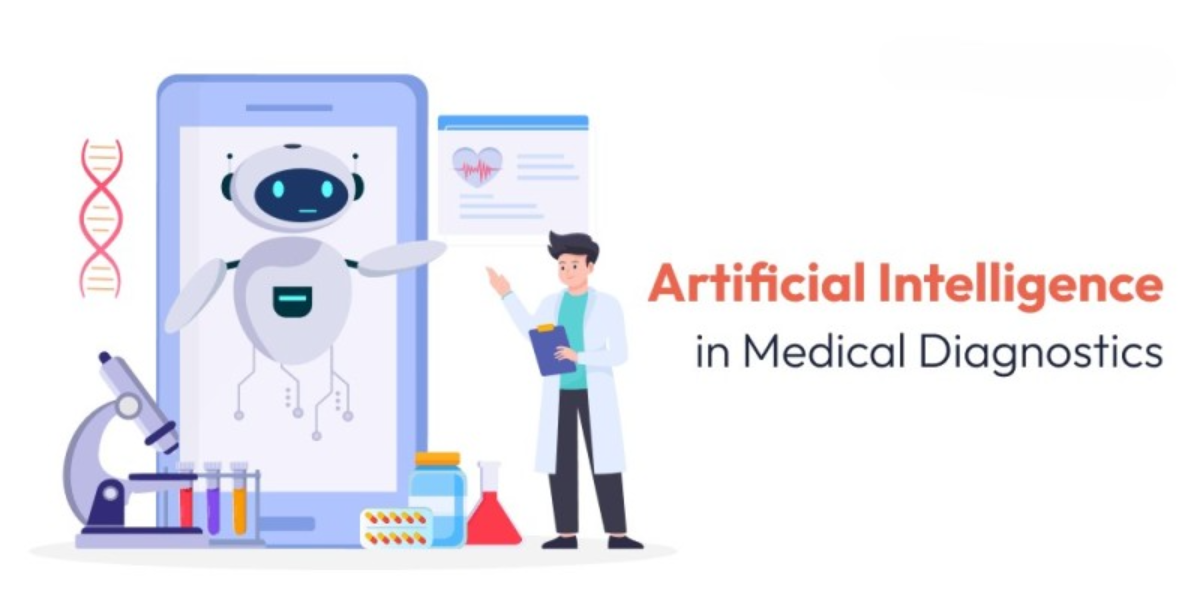
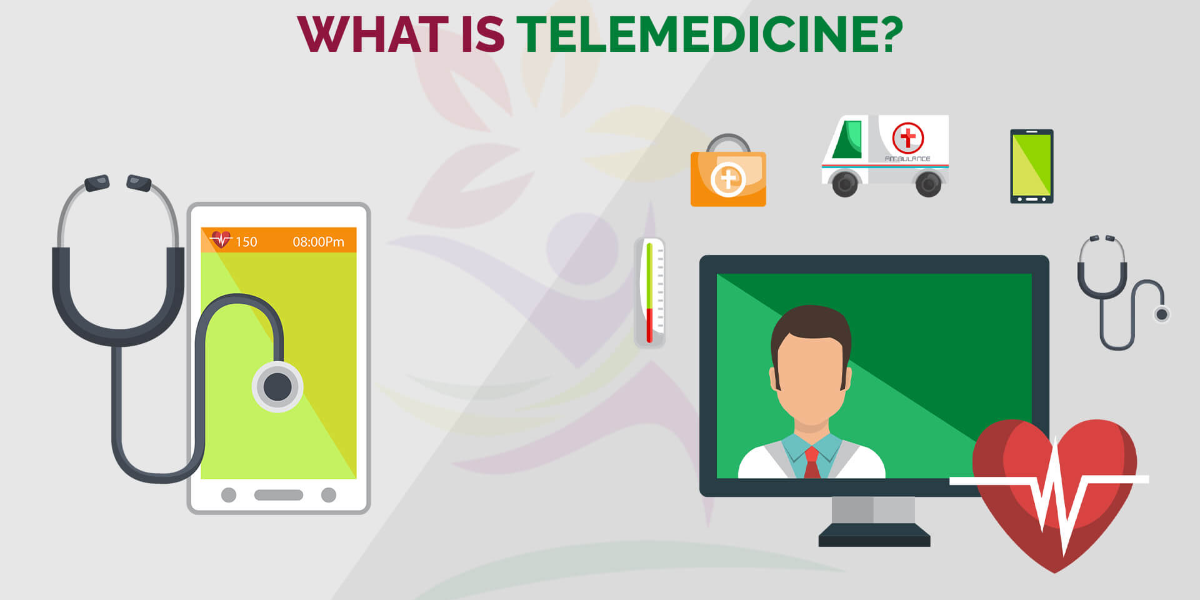
This shift highlights why acquiring comprehensive Digital Health Skills is absolutely essential for the next generation of physicians. Navigating AI diagnostics, telemedicine, and robotic consoles will be a routine part of daily clinical workflows, making digital literacy a core requirement for modern healthcare workers.
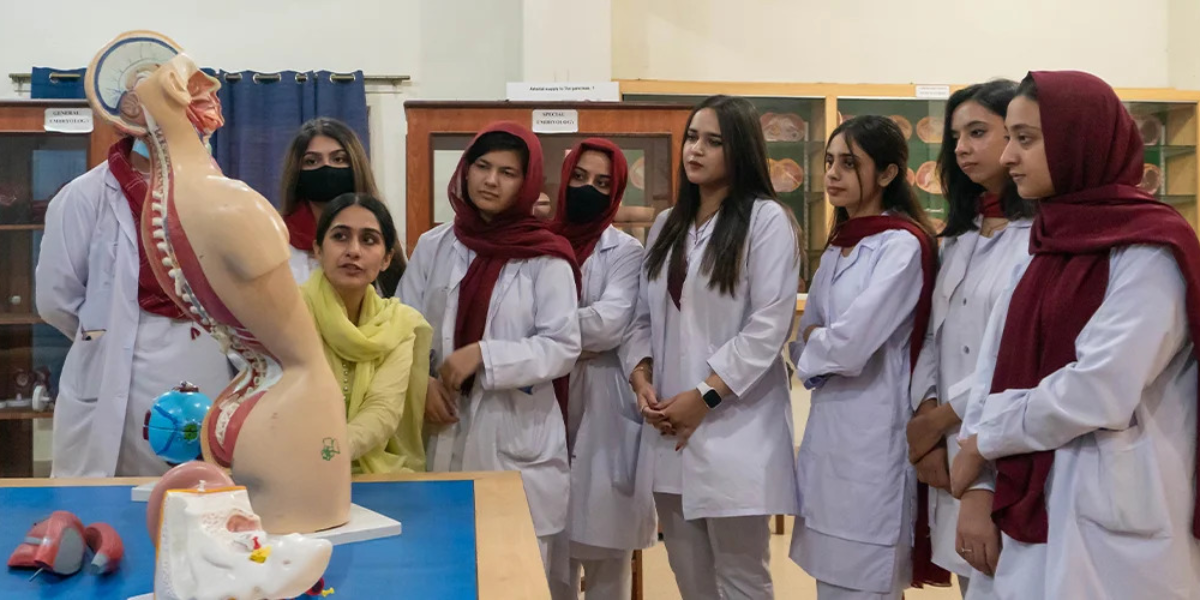
Understanding how these advanced technologies function requires a deliberate focus during your foundational years in medical school. To prepare students for this automated shift, modern medical institutions adapt their core training structures early on.
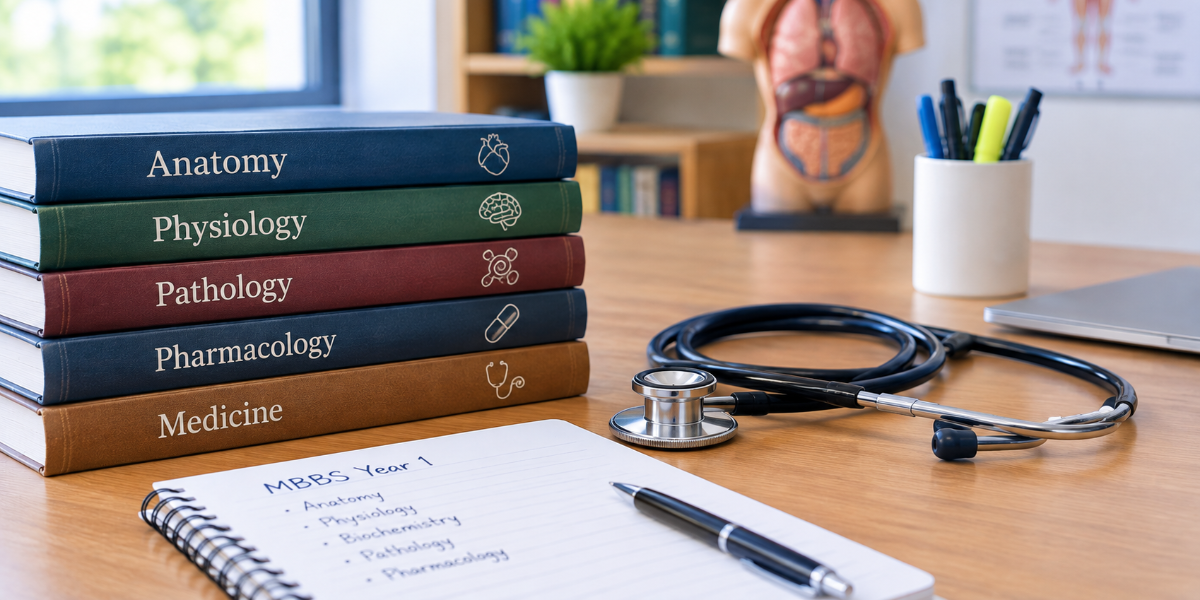
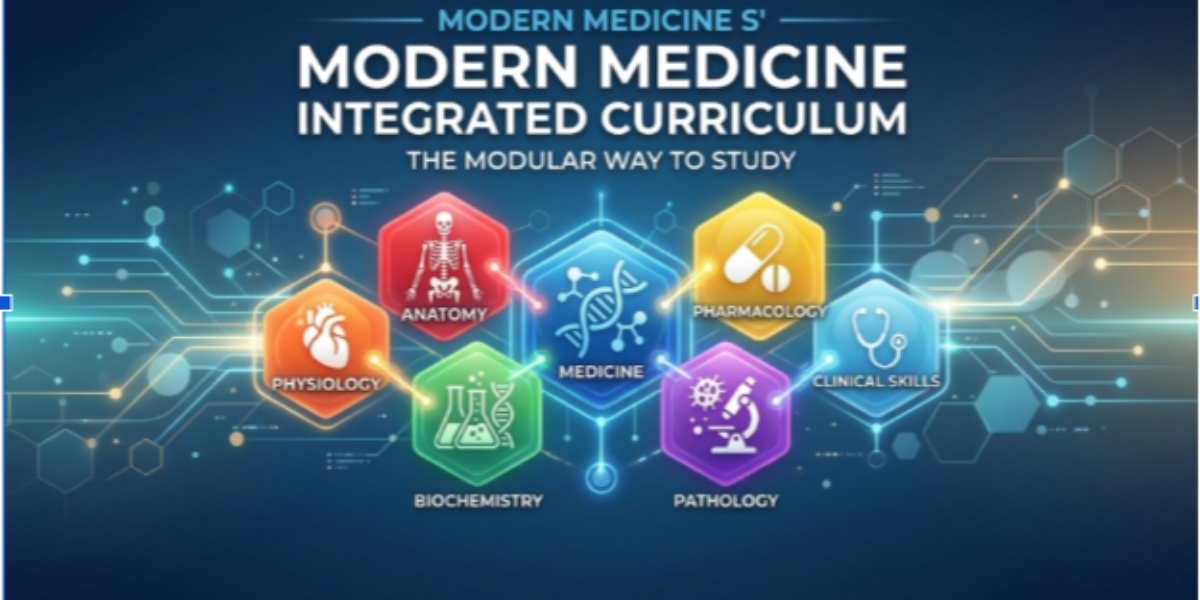
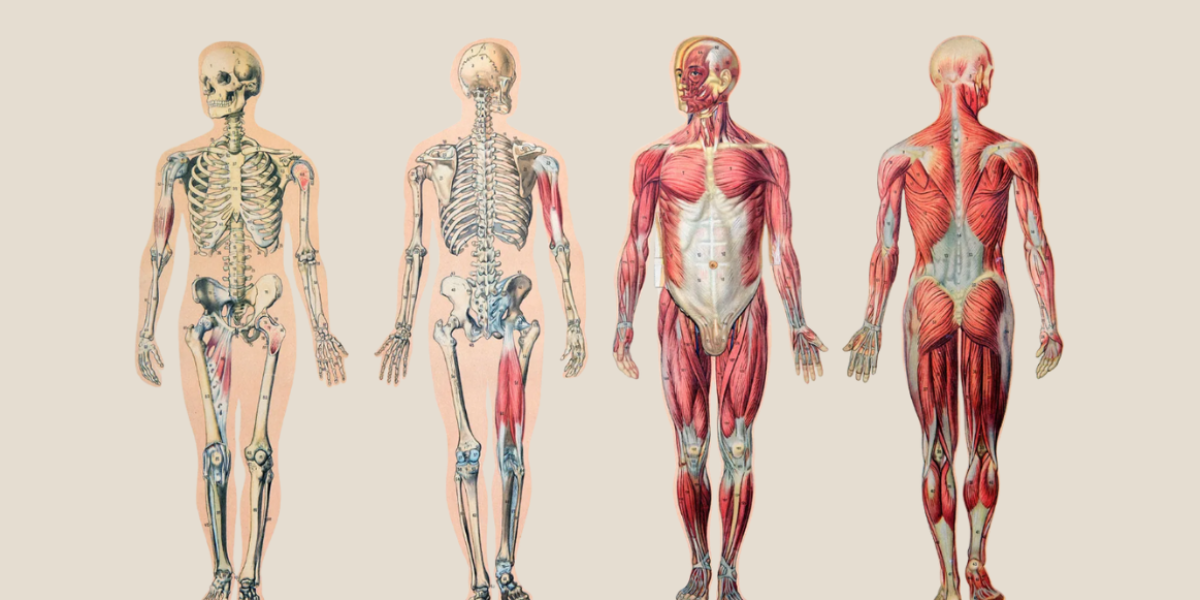
Aspiring surgeons must trace how technological competencies are woven directly into their foundational lesson plans. Reviewing the updated MBBS Curriculum shows how classical gross anatomy and spatial awareness are now taught alongside minimally invasive surgical theories, giving students the conceptual tools needed to comprehend robotic depth perception.
Ultimately, the goal of introducing robotics into medicine is to elevate patient care. Future doctors must learn to evaluate these innovations through concrete, evidence-based results rather than just the appeal of new gadgets.
Looking closely at standardized MBBS Outcomes helps students see how mastering modern procedural technology directly leads to lower intraoperative blood loss, significantly shorter hospital stays, and vastly reduced post-operative complication rates for patients in the real world.
Robotic platforms offer several distinct mechanical advantages over traditional laparoscopy that every MBBS student should be familiar with during rounds. The software within a robotic surgical console completely filters out natural human micro-tremors. Additionally, the system can scale motions meaning a five-centimeter movement by the surgeon's hand at the console can be translated into a precise one-centimeter movement by the robotic instrument inside a delicate cavity.
Furthermore, traditional laparoscopic tools are rigid and straight, offering limited angles of approach. Robotic instruments feature technology that allows the tips to pivot and rotate with seven degrees of freedom, exceeding the natural range of motion of the human wrist. Combined with a magnified 3D view, this allows surgeons to dissect tissues and suture deep, narrow spaces with unprecedented visual clarity and physical agility.
Robotics is not replacing the surgeon; it is amplifying human capability. As an MBBS student, your goal shouldn't be to learn how to operate a specific console on day one, but rather to understand how digital interfaces change patient outcomes. By embracing digital health proficiencies, respecting the technological evolution of your core curriculum, and keeping pace with minimally invasive methodologies, you position yourself at the forefront of modern medical progress