Date: Sep 25, 2026
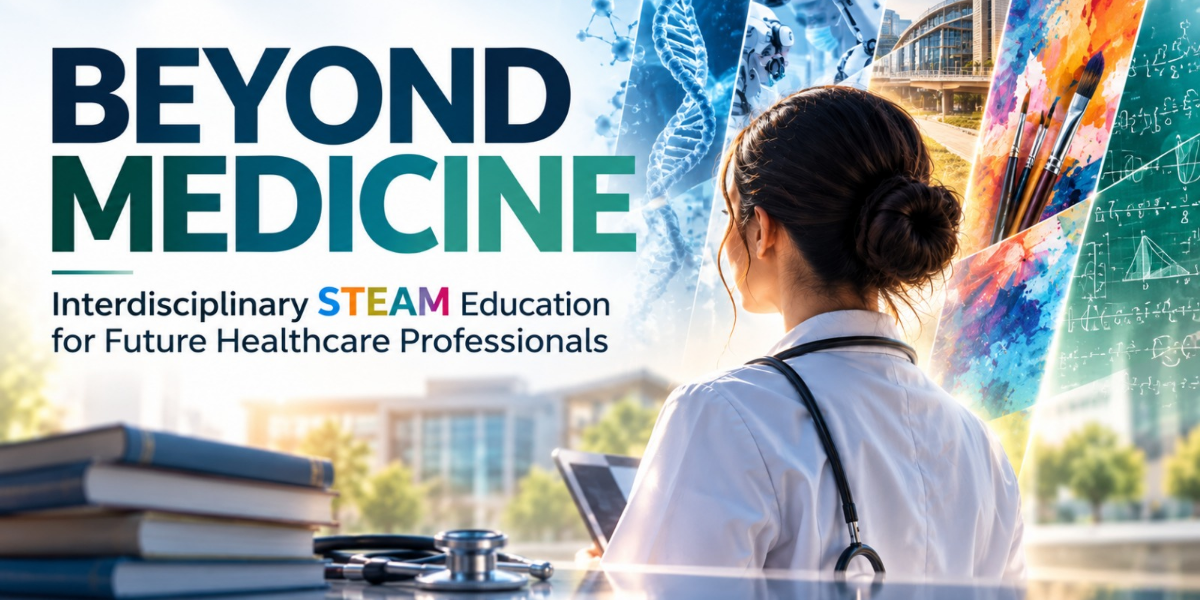
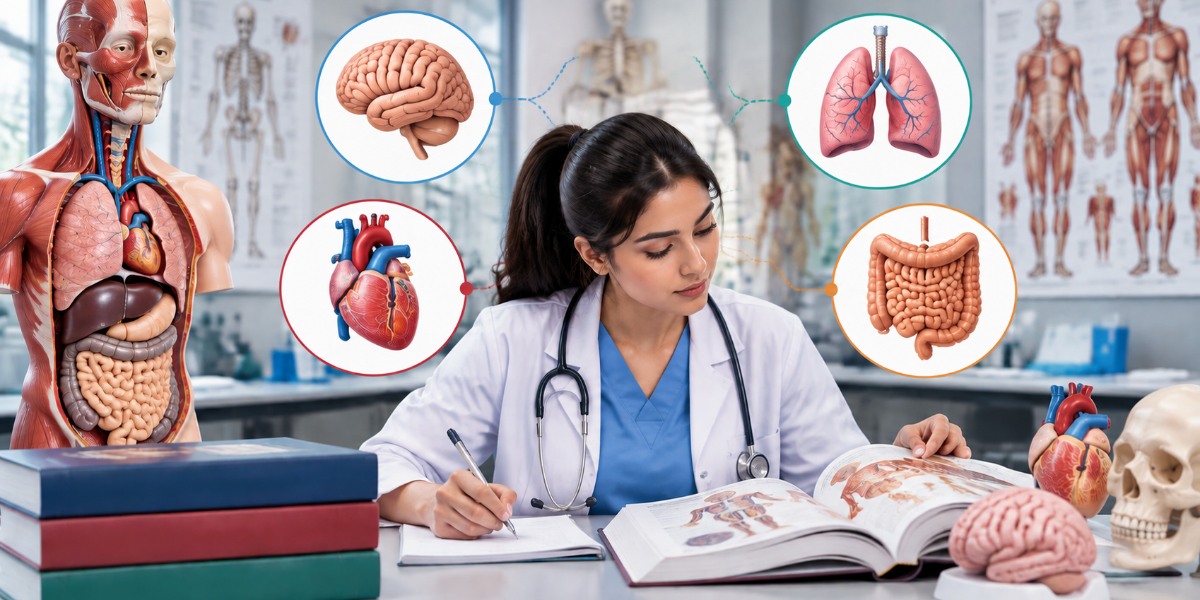
Medicine is built on science, but the practice of healthcare involves much more than scientific knowledge.
Healthcare professionals communicate with patients, work with teams, interpret information, use technology and make decisions in complex environments.
As healthcare continues to evolve, future professionals need opportunities to develop a broader understanding of the world around medicine.
Interdisciplinary learning brings ideas from different fields together.
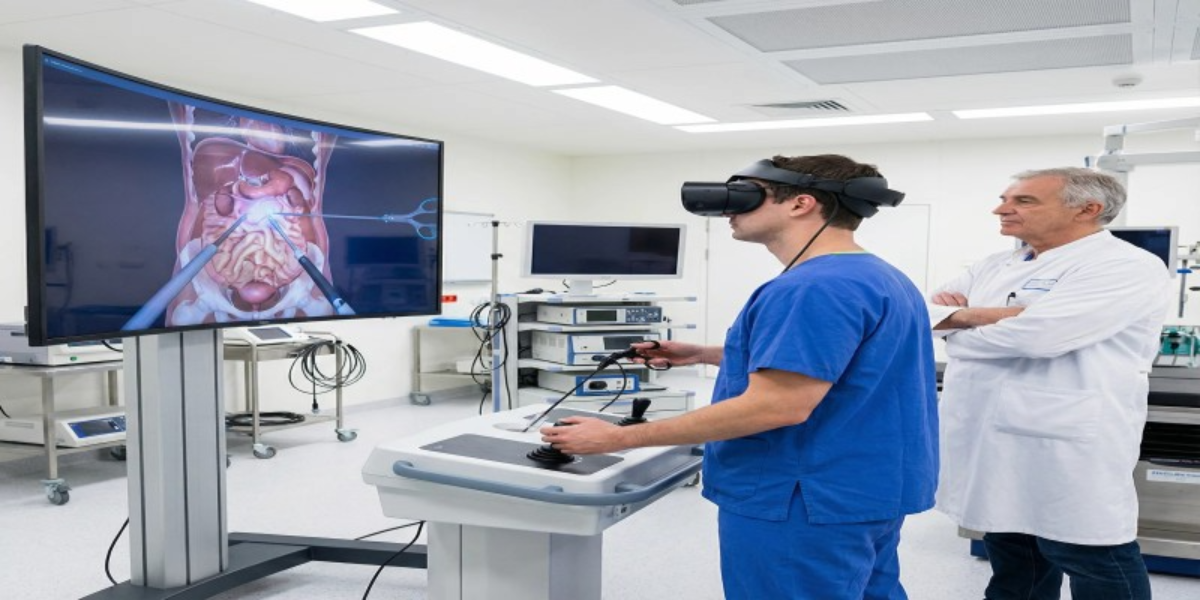
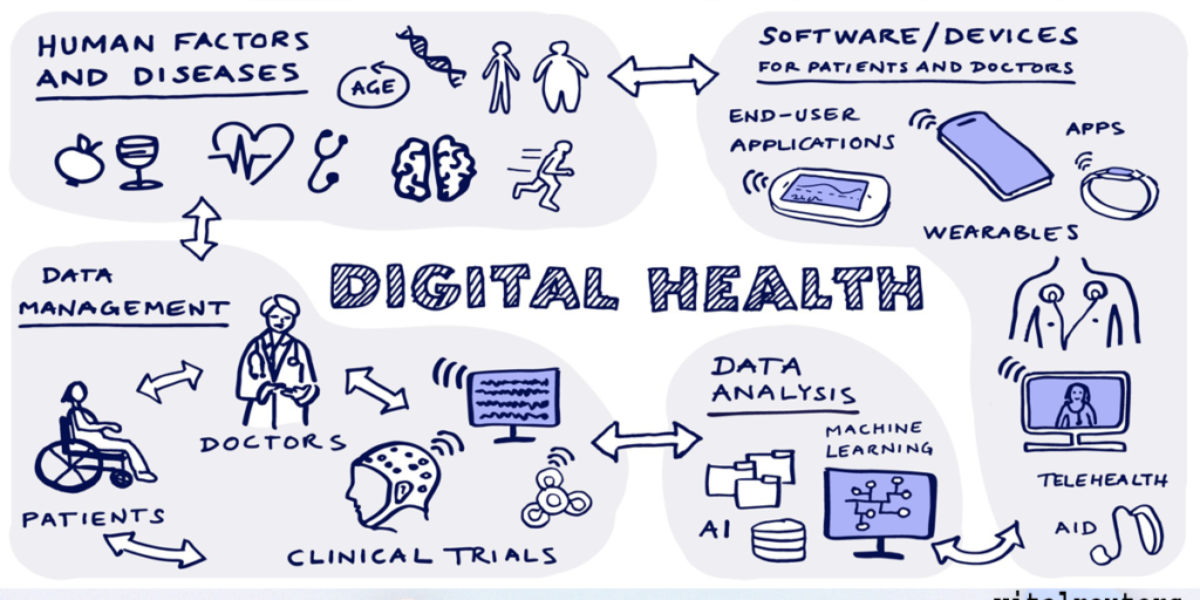
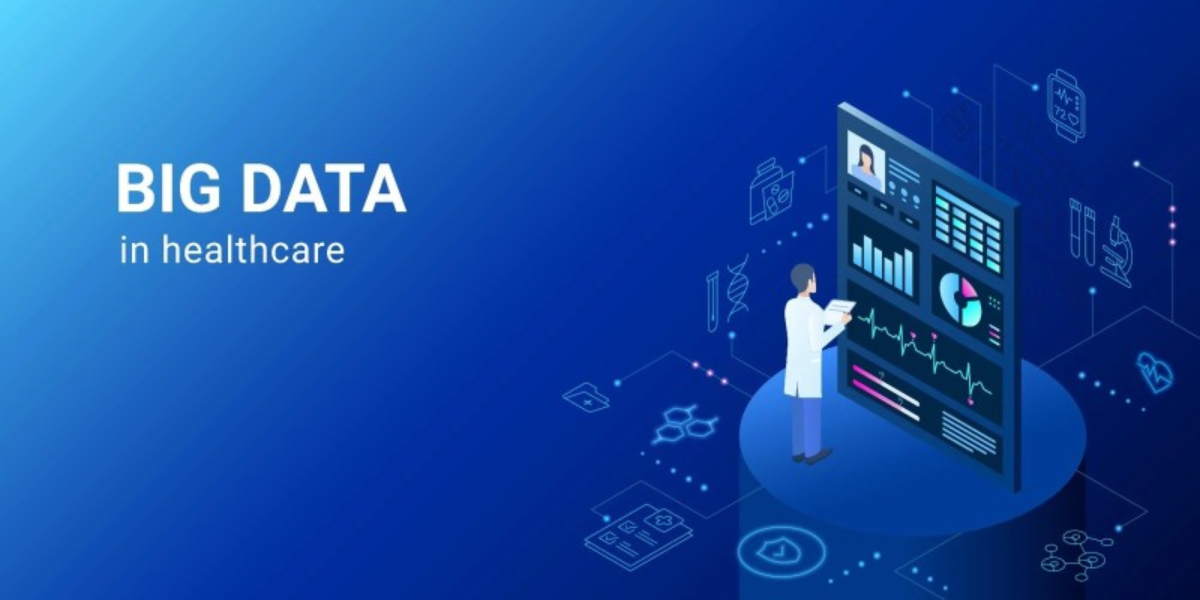
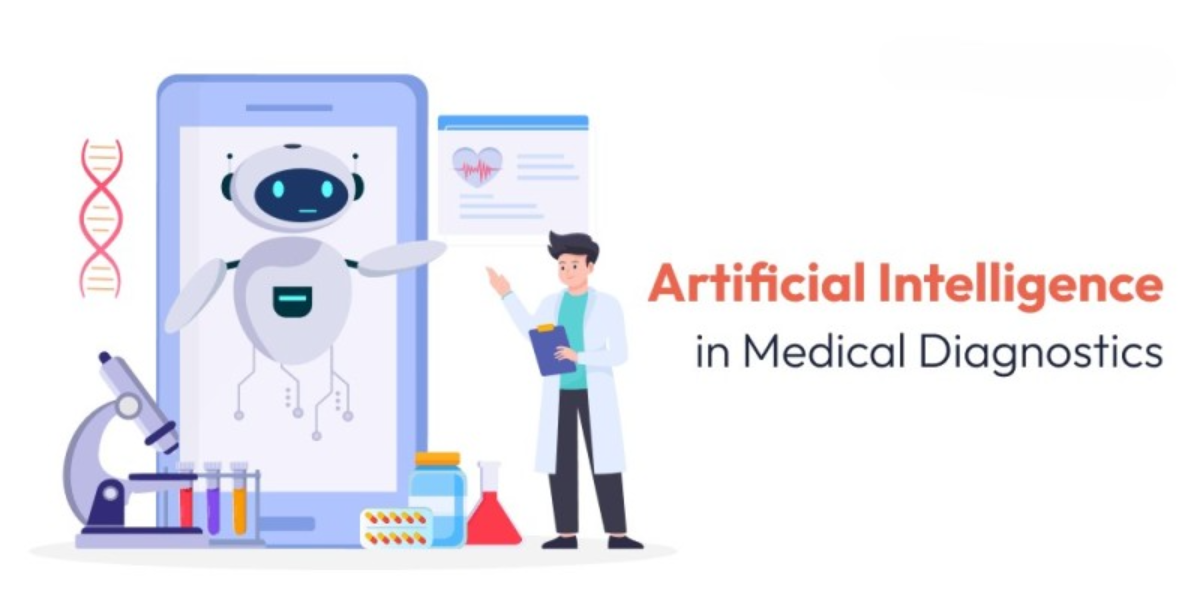
For a medical student, this might mean understanding how technology supports diagnosis, how data can inform healthcare decisions or how design can improve the patient experience.
The goal is not to turn every student into an expert in another field. It is to encourage curiosity and collaboration across disciplines.
STEAM combines Science, Technology, Engineering, Arts and Mathematics.
In healthcare, these disciplines can intersect in many ways.
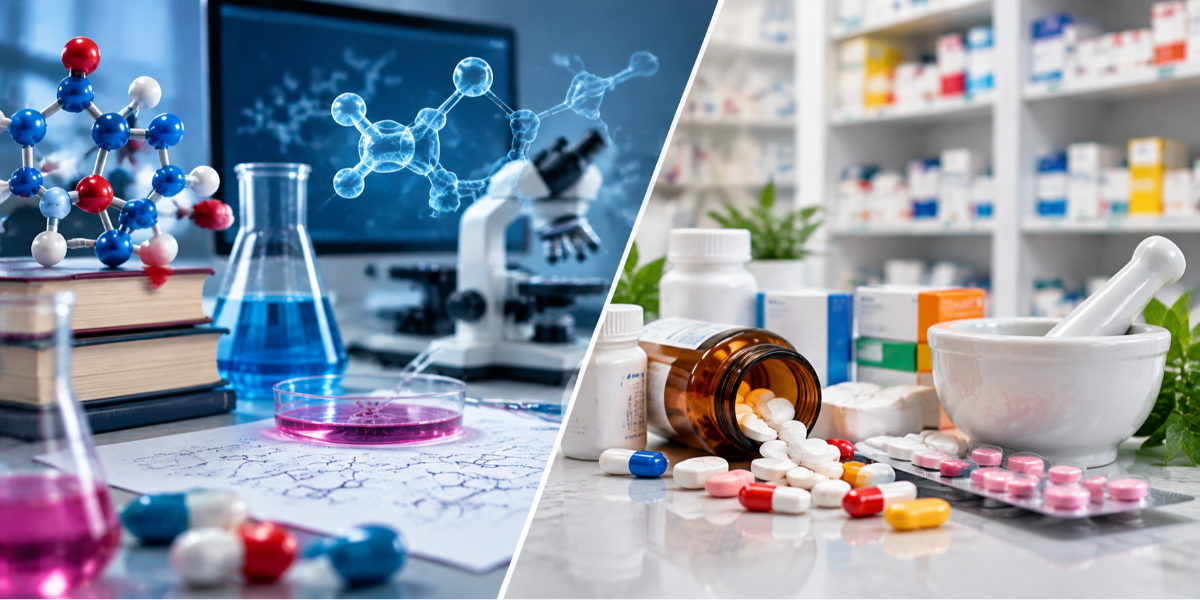
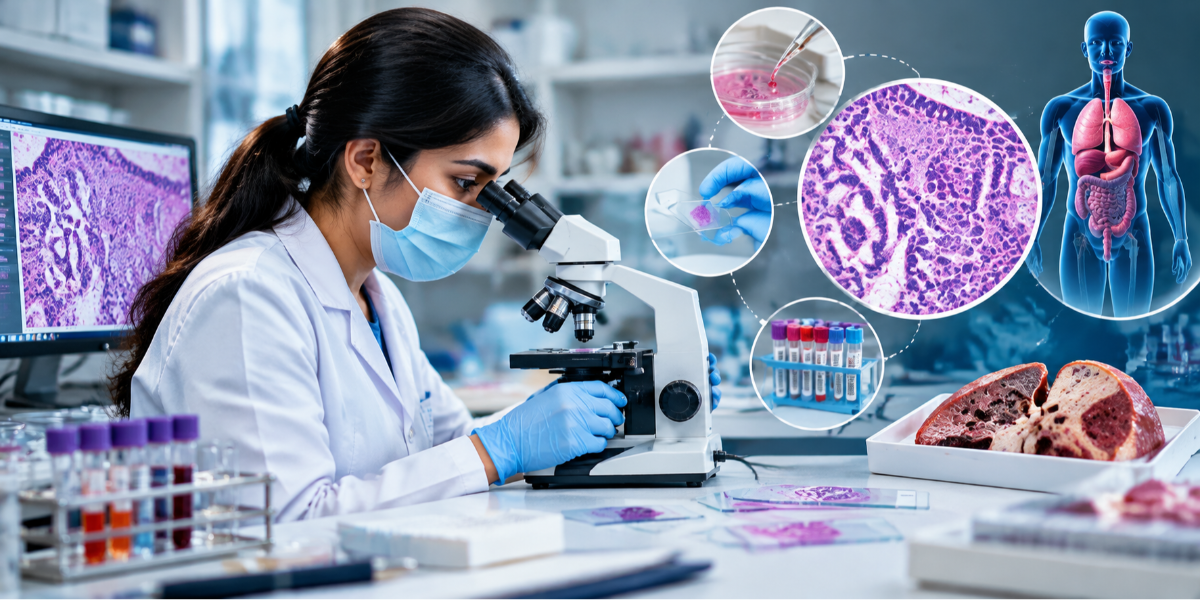
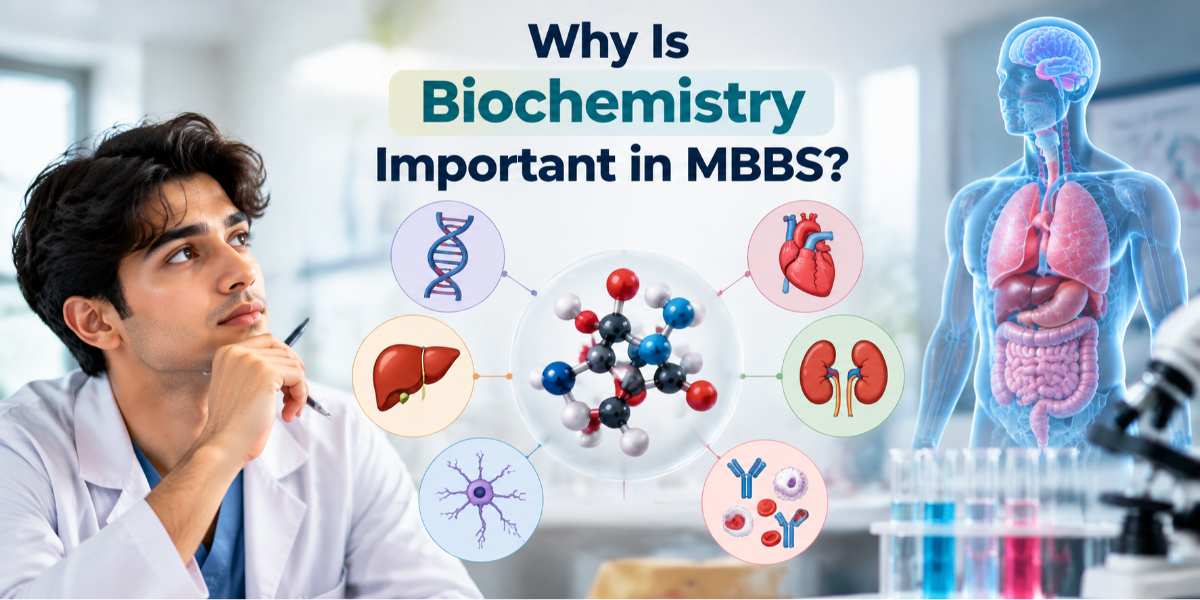
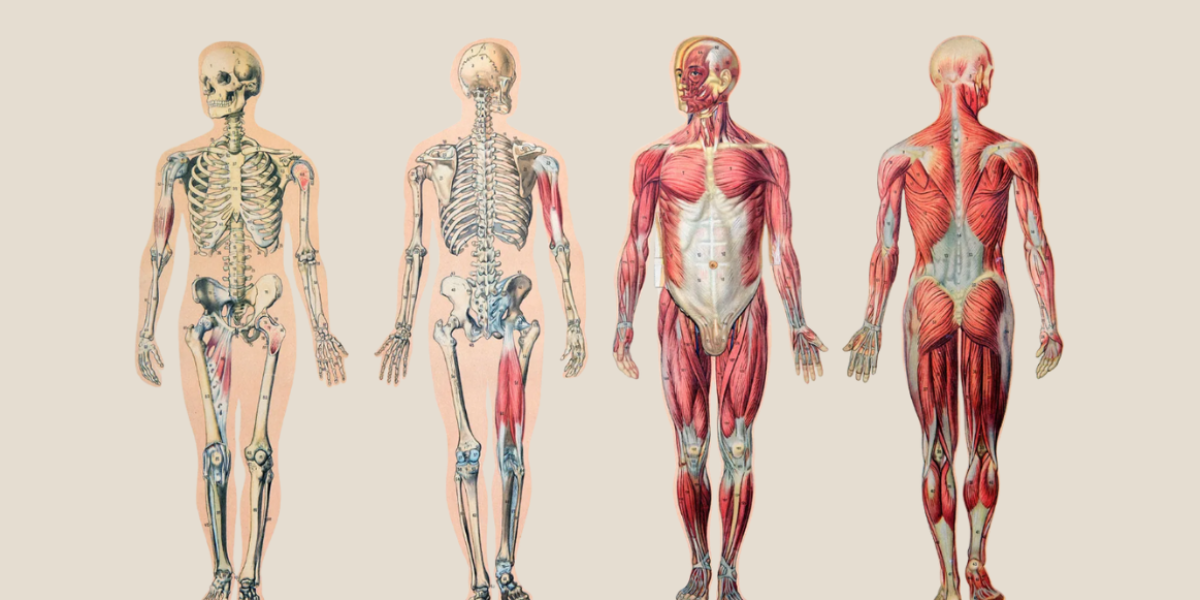
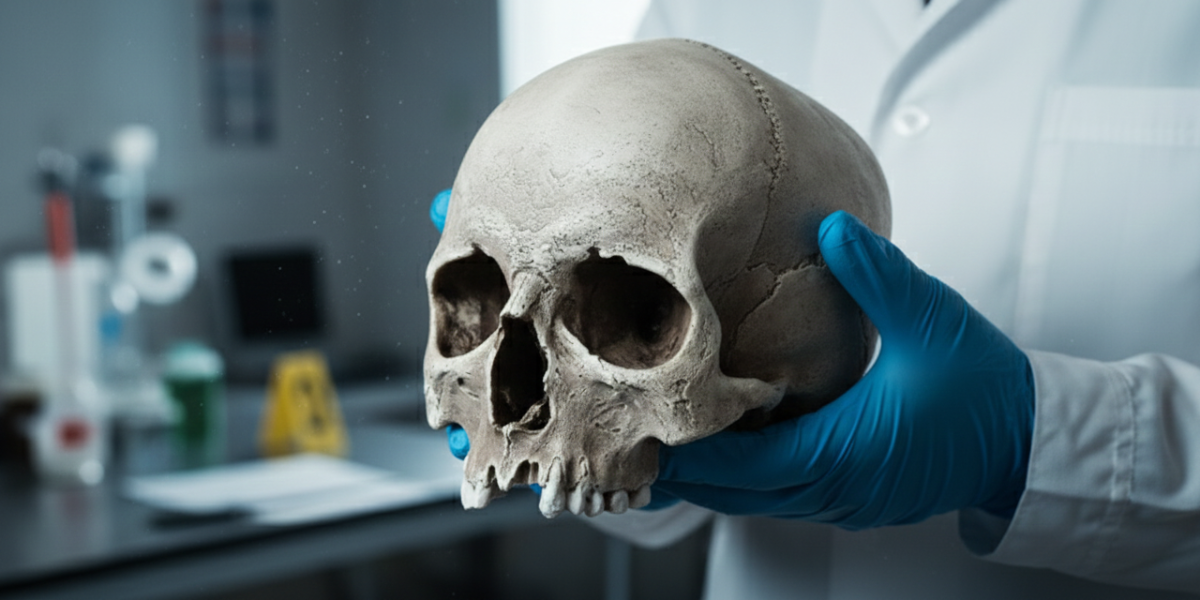
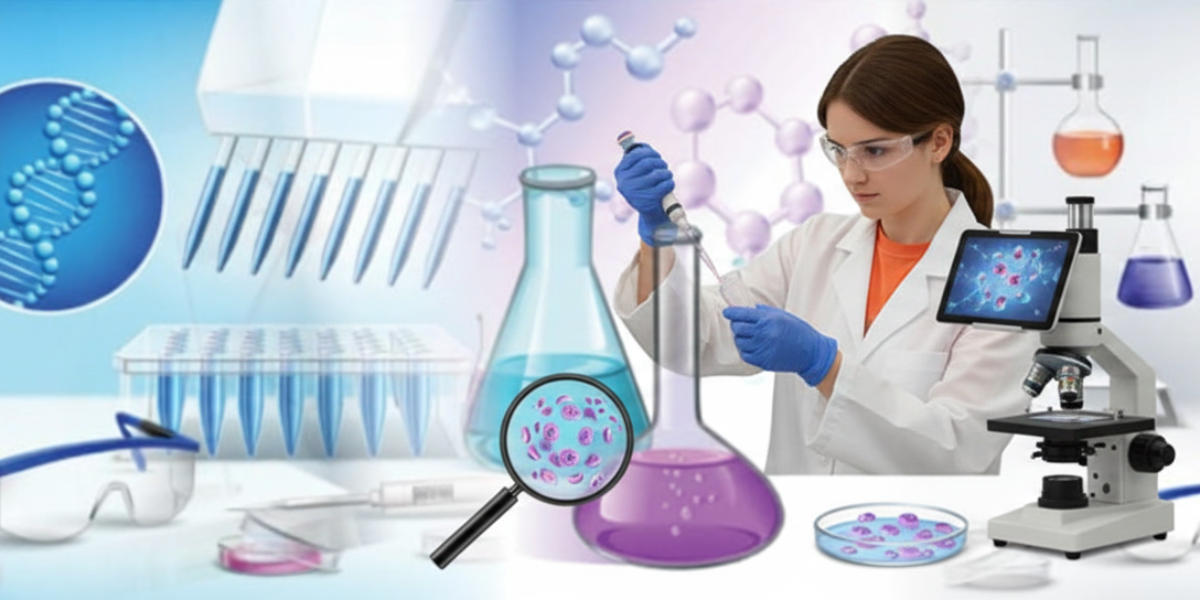
Science helps us understand disease and the human body.
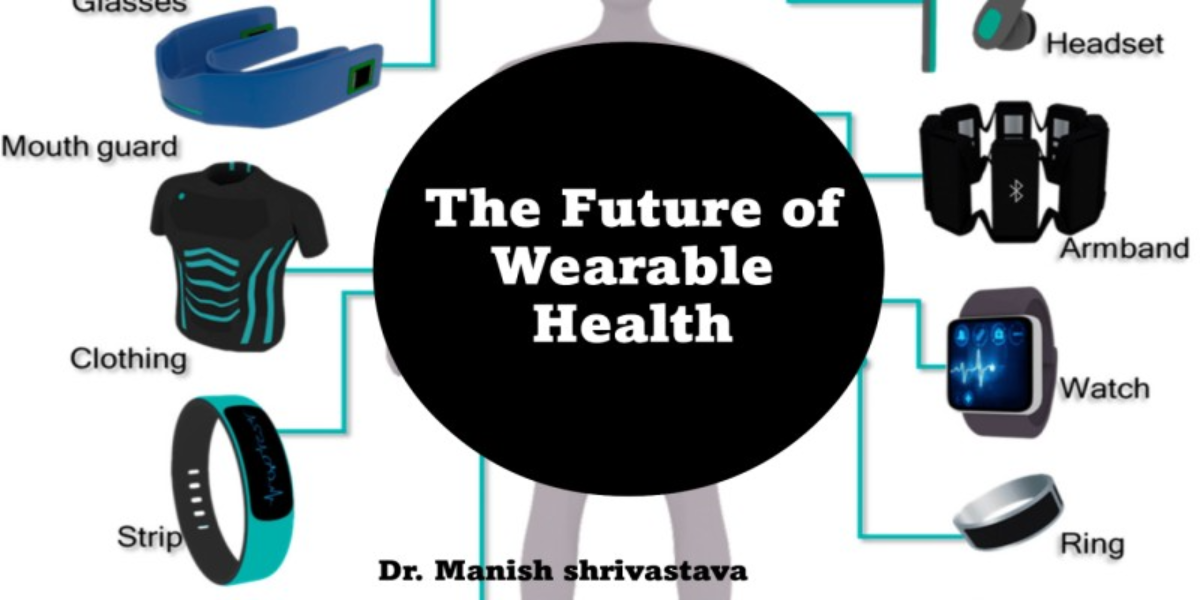
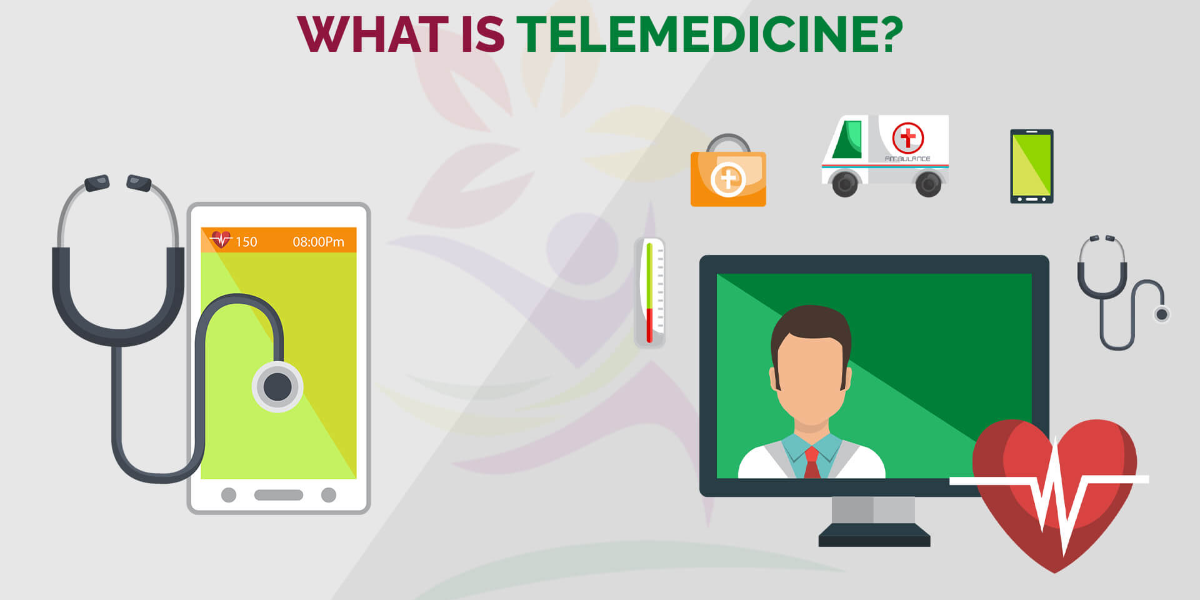
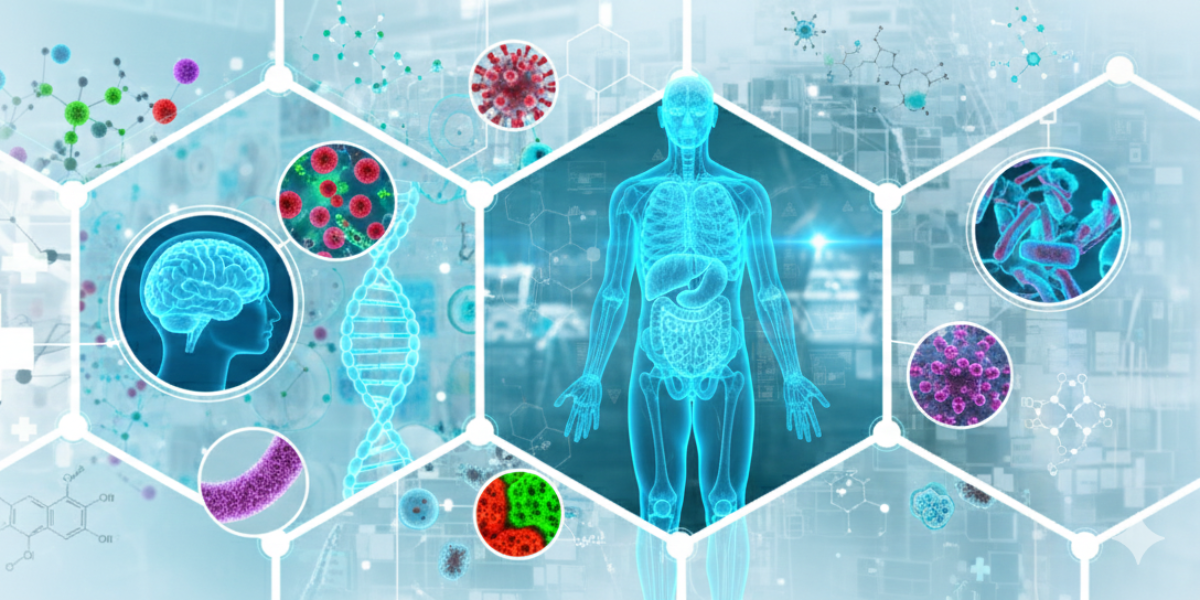
Technology enables new tools and digital systems.
Engineering contributes to medical devices and systems.
Arts can support communication, creativity and human-centred design.
Mathematics and data help researchers analyse information and identify patterns.
Together, these perspectives can contribute to innovation.
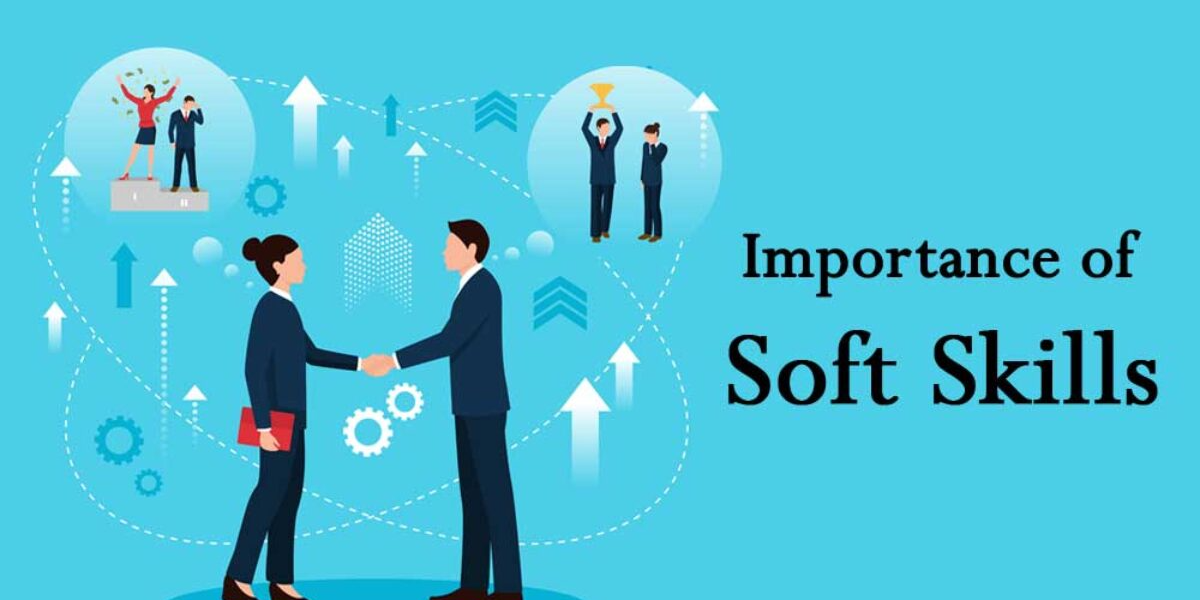
Healthcare is rarely delivered by one person working alone.
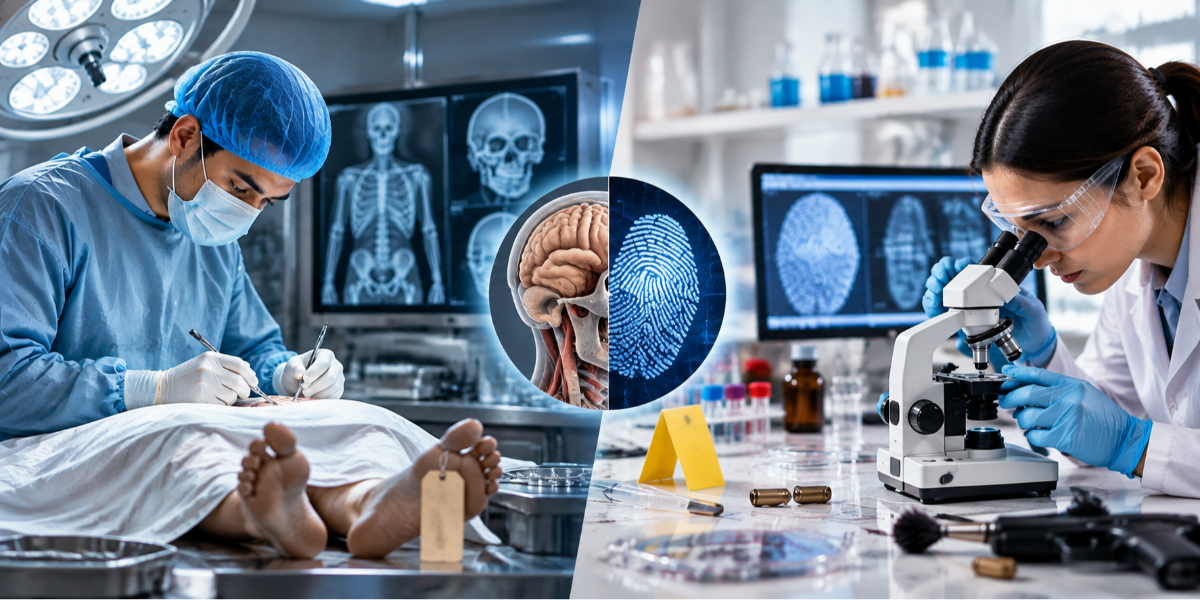
Doctors, dentists, nurses, pharmacists, laboratory professionals, researchers and technology specialists often work together.
Developing the ability to communicate and collaborate across professional boundaries can therefore be valuable for future healthcare professionals.
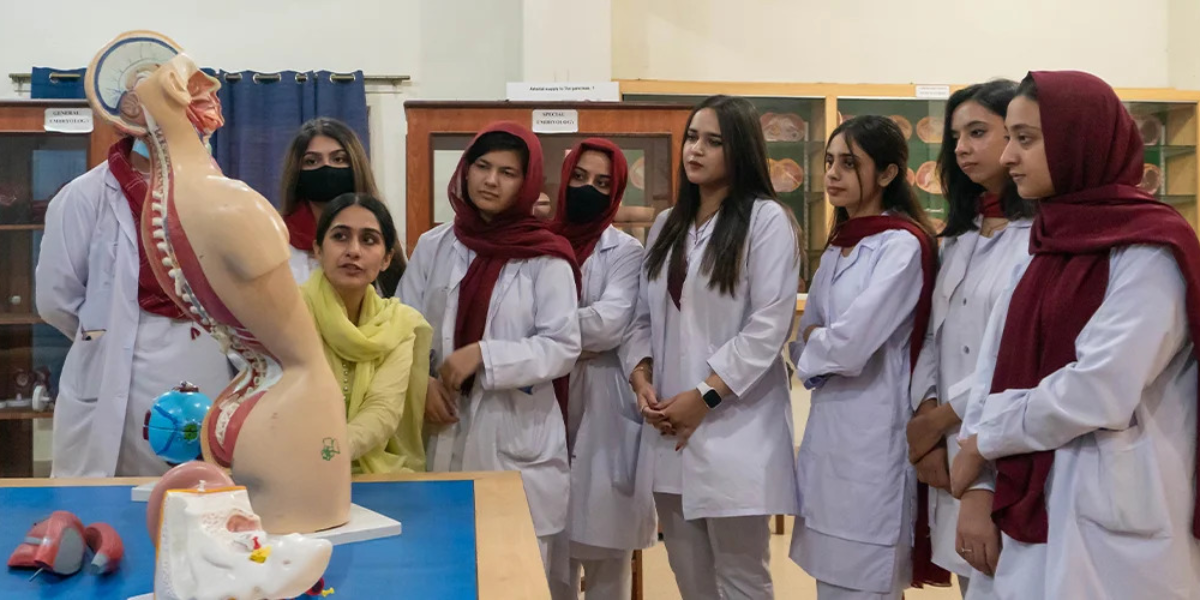
AUMDC places emphasis on competency-based medical education and research, creating a natural space for discussions around how medical education can evolve.
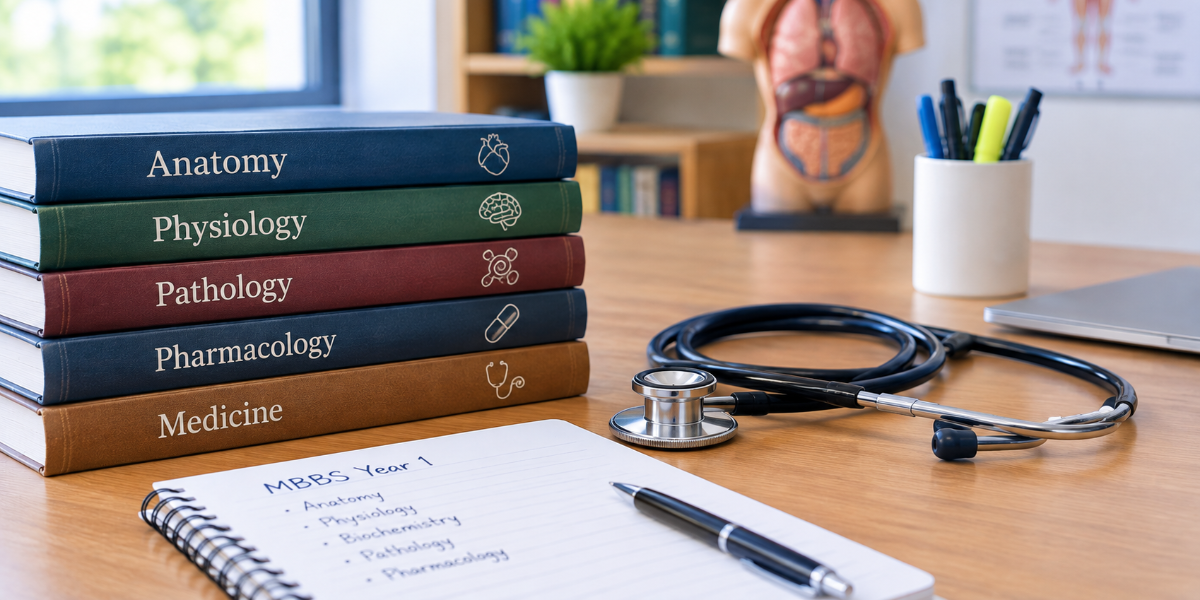
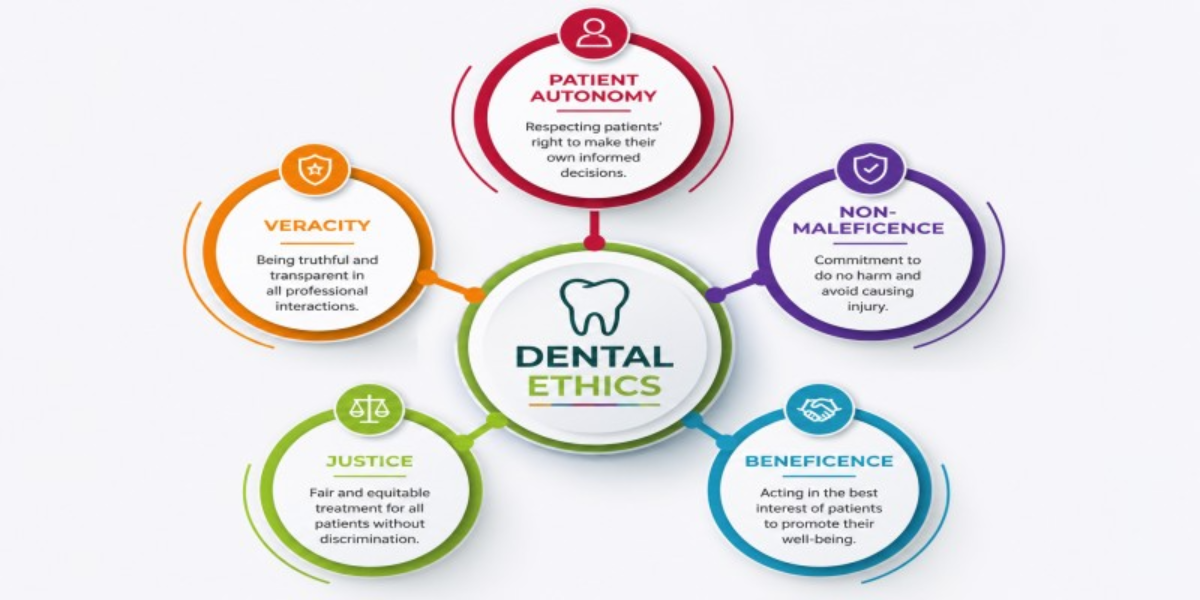
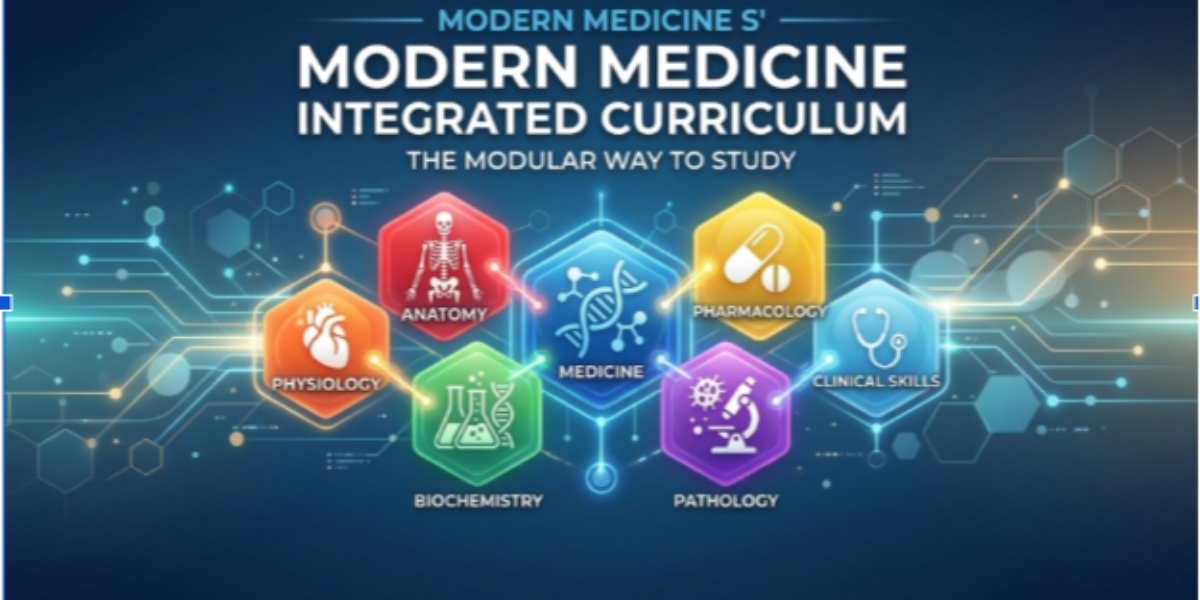
The AUMDC MBBS curriculum includes integrated components and areas such as medicine, surgery, patient safety, leadership, ethics and self-directed learning, providing students with opportunities to develop knowledge and skills across different areas of medical education.
Interdisciplinary research can help medical communities explore new questions and consider solutions from different perspectives.
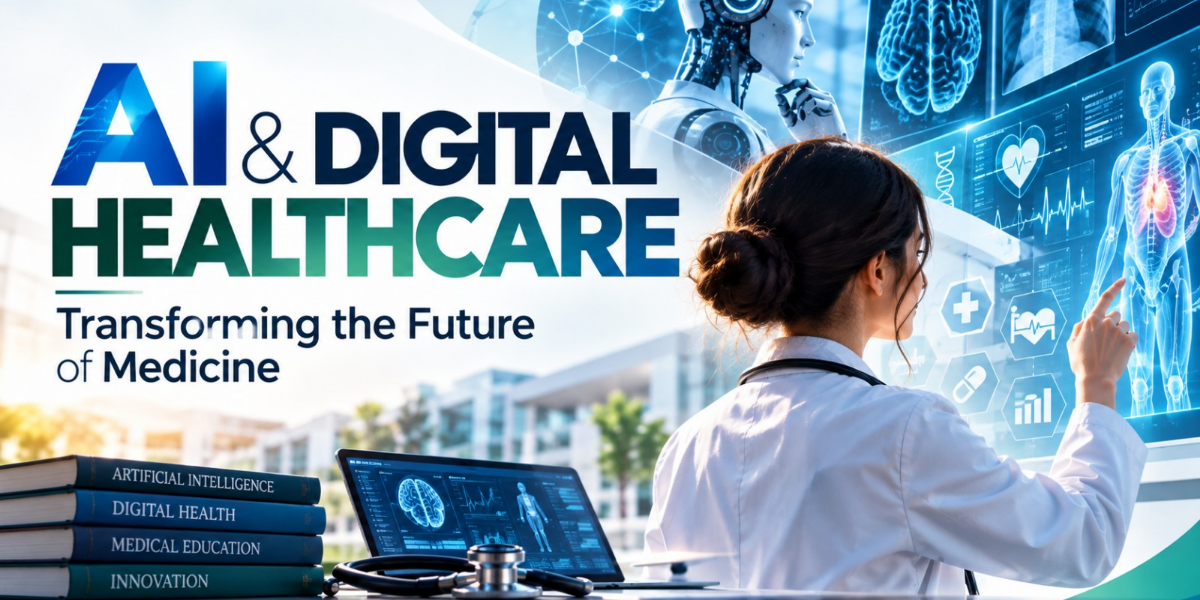
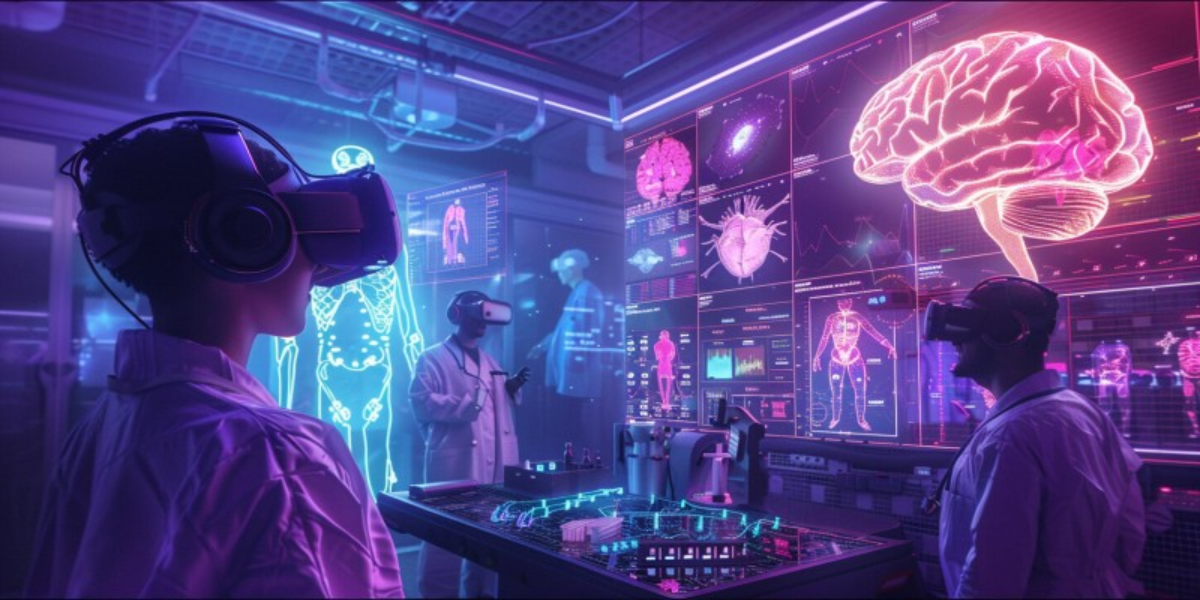
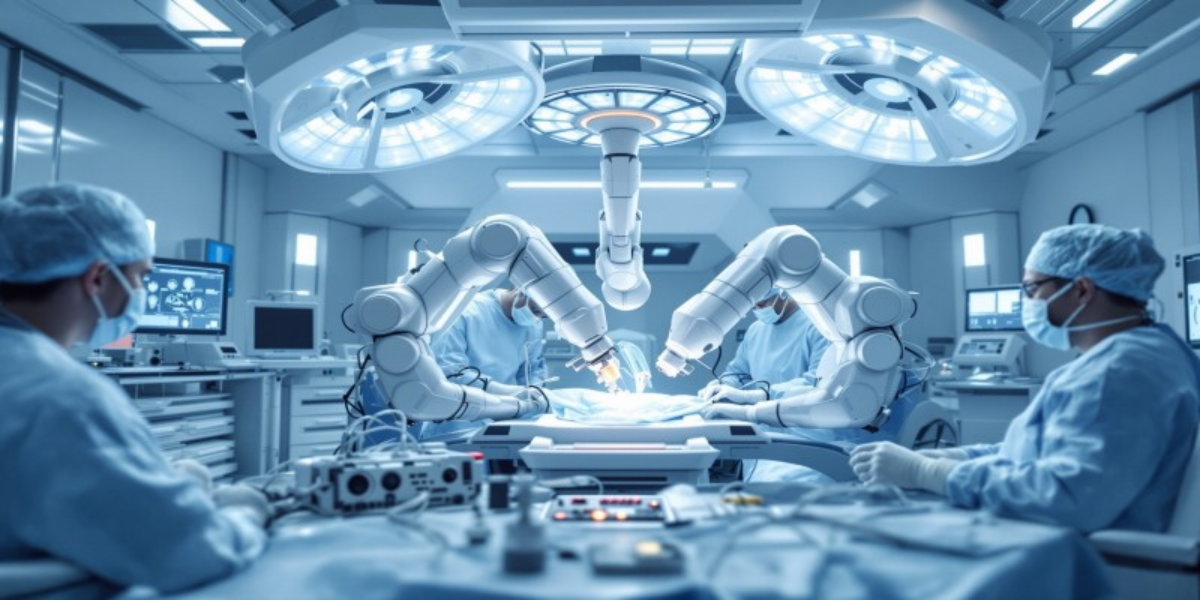
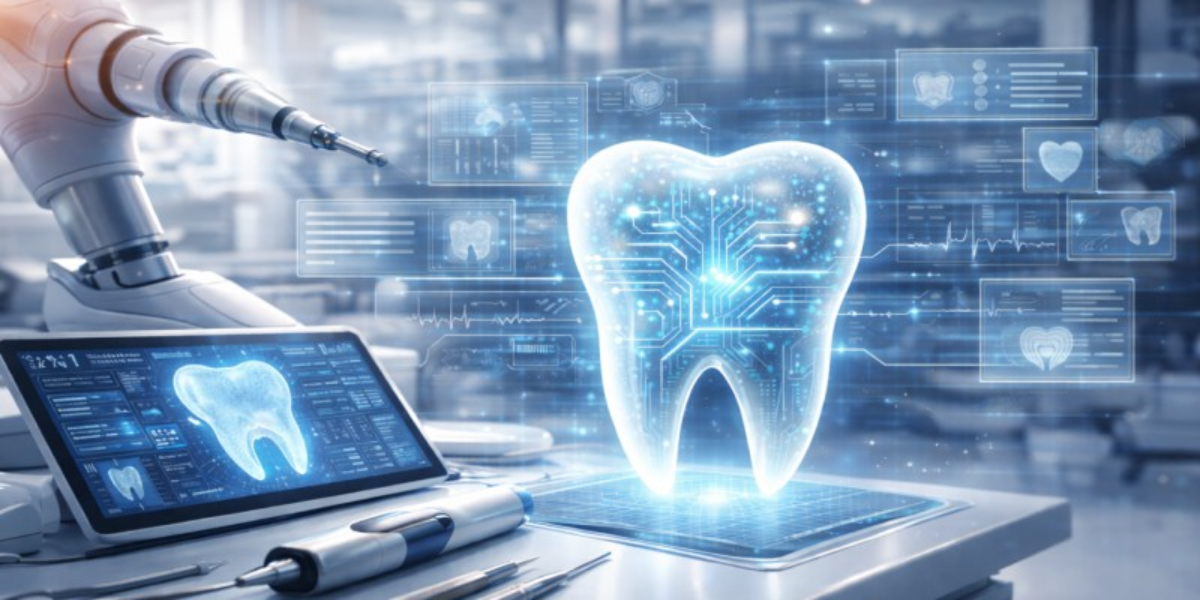
Future healthcare professionals will work alongside technologies and systems that are still developing today.
They may encounter new diagnostic tools, digital health platforms, AI-assisted systems and data-driven approaches.
Strong medical foundations will remain essential, while adaptability and lifelong learning will become increasingly important.
The theme of ICASE-2026, “STEAM for Future-Ready Societies,” reflects this broader approach.
The conference includes thematic areas related to AI and digital transformation, smart healthcare systems, future skills, biotechnology, innovation and human-centred approaches.
The Smart Health Care Systems: Discovery to Practice thematic area is particularly relevant to discussions about the relationship between healthcare and emerging technologies.
The most important lesson of interdisciplinary education may simply be that complex problems deserve more than one perspective.
For future doctors and healthcare professionals, this mindset can support collaboration, curiosity and continuous learning.
Healthcare will continue to change.
The professionals entering the field today will need to learn throughout their careers and collaborate with people from different backgrounds.
STEAM education provides one framework for developing this broader mindset.
ICASE-2026 offers an opportunity for students, educators and researchers to explore these ideas and consider what future-ready healthcare education can look like.