Date: Oct 10, 2026
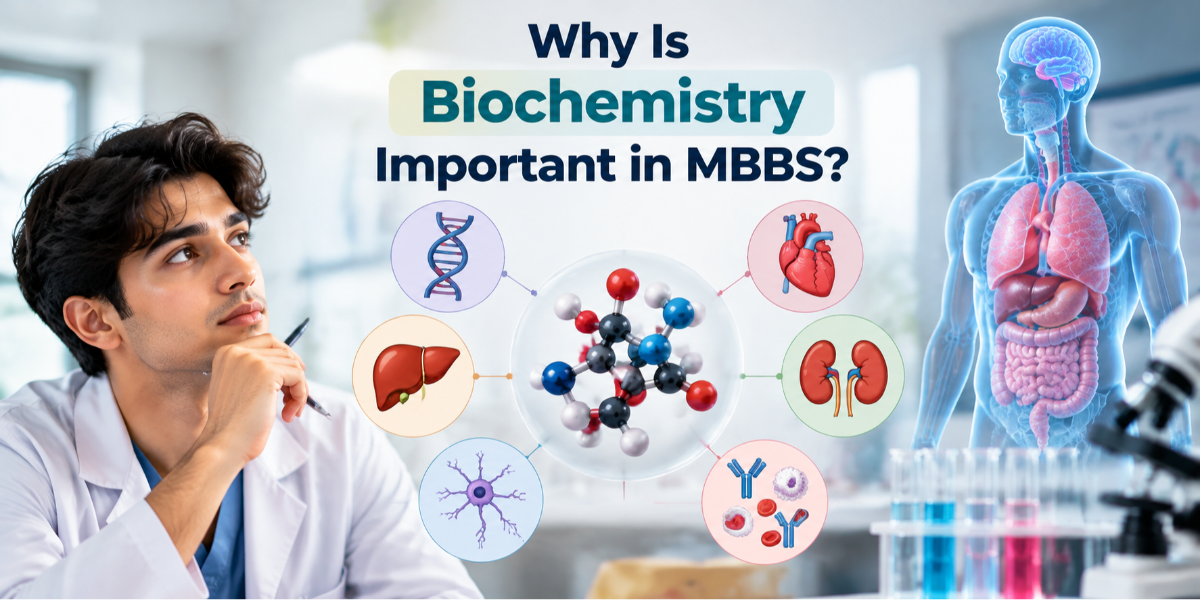
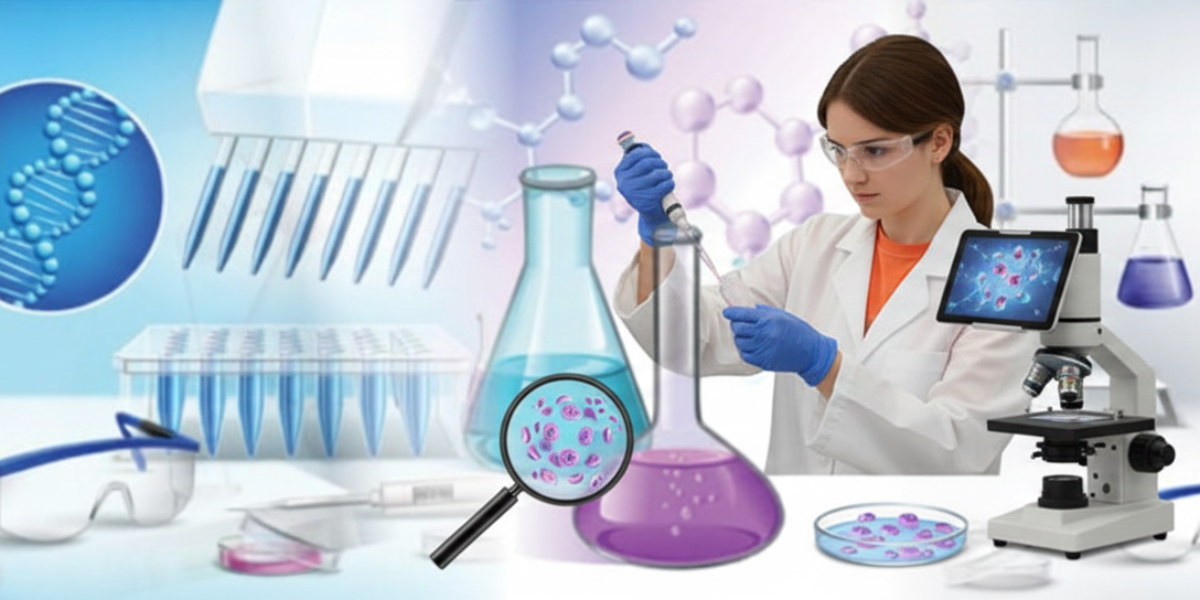
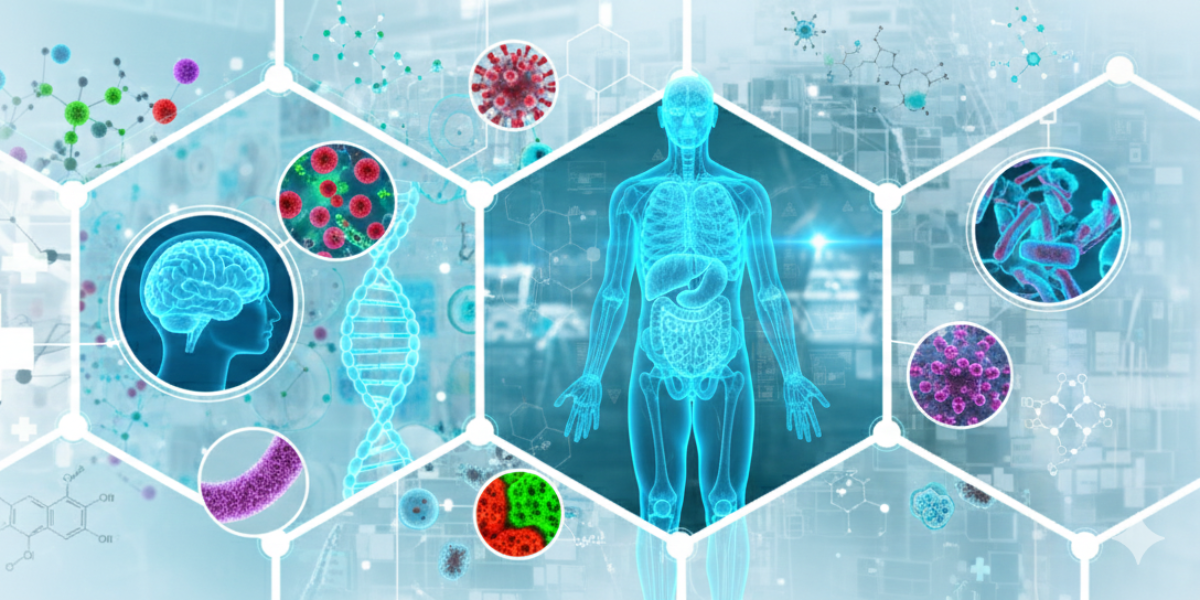
Biochemistry is one of the foundational subjects in MBBS that helps medical students understand how the human body works at the molecular level. It explains how cells produce energy, how nutrients are processed, how enzymes support essential reactions, and how chemical changes in the body can contribute to disease.
For future doctors, studying biochemistry is not just about learning chemical reactions. It provides a scientific basis for understanding medical conditions, interpreting laboratory tests, and connecting what happens inside cells with a patient's symptoms.
Biochemistry is the study of the chemical substances and processes that occur in living organisms. In medicine, it focuses on the molecules and reactions that keep the human body functioning normally.
Medical students learn about proteins, carbohydrates, fats, vitamins, hormones, enzymes, and other substances involved in essential body functions. They also explore how these substances interact and what happens when normal processes are disrupted.
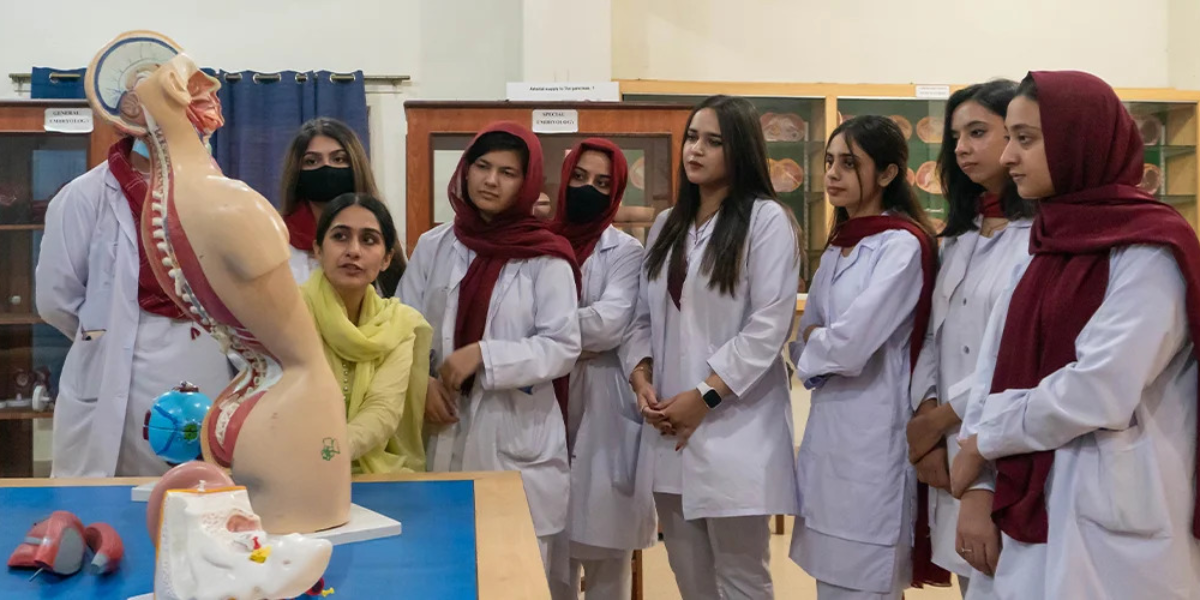
At AUMDC, students can learn more about this subject through the Department of Biochemistry, which is part of the basic medical sciences taught in medical education.
Biochemistry connects basic scientific knowledge with clinical medicine. It helps students understand the underlying mechanisms of health and disease before they move on to more advanced clinical subjects.
The human body depends on thousands of chemical reactions to maintain normal functions. These reactions help cells produce energy, repair tissues, build proteins, and maintain a stable internal environment.
Biochemistry explains these processes and shows how different organs and systems depend on one another. This knowledge gives medical students a stronger foundation for understanding human physiology and disease.
Many health conditions involve changes in the body's normal biochemical processes. For example, diabetes affects how the body regulates blood glucose, while certain liver disorders interfere with the processing of nutrients and the removal of waste products.
By studying biochemistry, MBBS students learn to understand these changes at a molecular level. This helps them connect the underlying causes of a disease with its signs, symptoms, and possible complications.
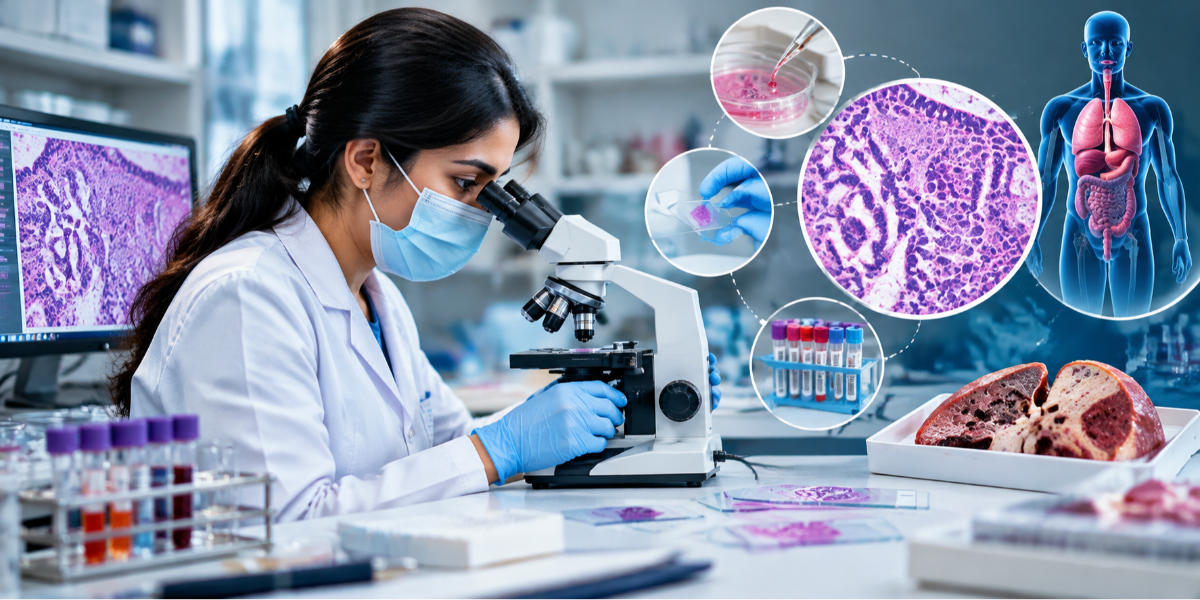
Doctors use laboratory tests to investigate health problems, monitor diseases, and assess how well organs are functioning. Many common investigations measure substances or chemical processes in the blood and other body fluids.
Examples include:
Biochemistry helps students understand what these measurements represent and why abnormal results may require further investigation. Laboratory results must always be interpreted alongside symptoms, medical history, examination findings, and other relevant tests.
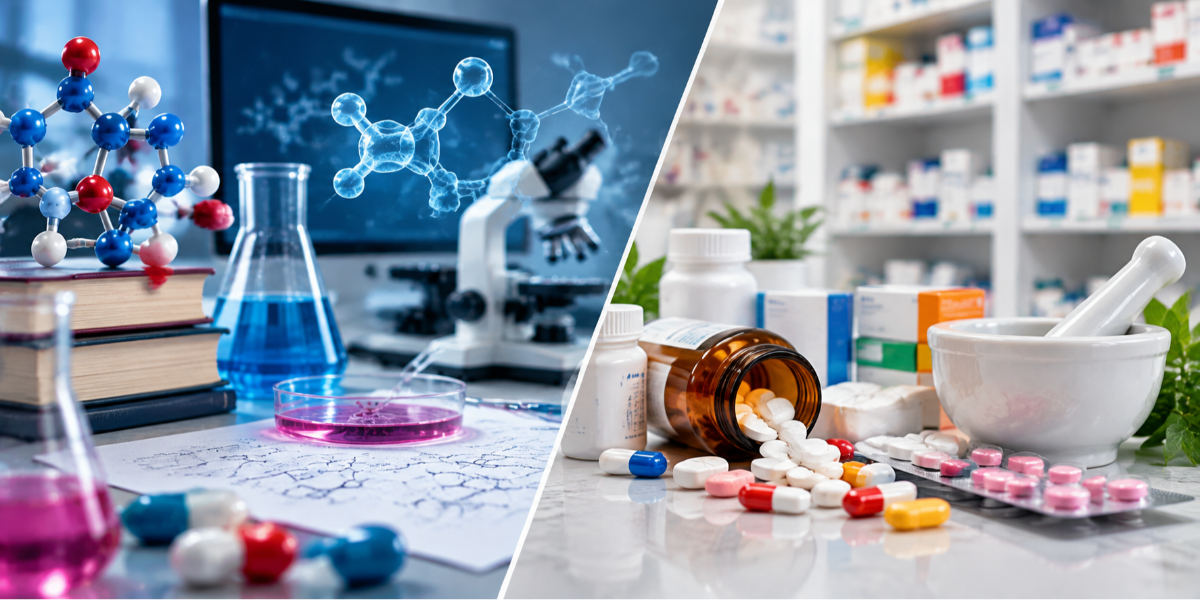
Pharmacology focuses on medicines, including how they work, how the body processes them, and how they affect different organs. Biochemistry supports this learning by explaining the molecular processes that medicines may influence.
For example, some medicines affect enzymes, while others alter receptors or metabolic pathways. Understanding these mechanisms helps medical students learn why treatments work and why certain side effects can occur.
The body needs nutrients to produce energy, maintain tissues, and support normal growth. Biochemistry explains how carbohydrates, fats, and proteins are broken down and used by the body.
Students also learn about vitamins, minerals, and the consequences of nutritional deficiencies. This knowledge is relevant to conditions such as iron deficiency, vitamin deficiencies, malnutrition, and metabolic disorders.
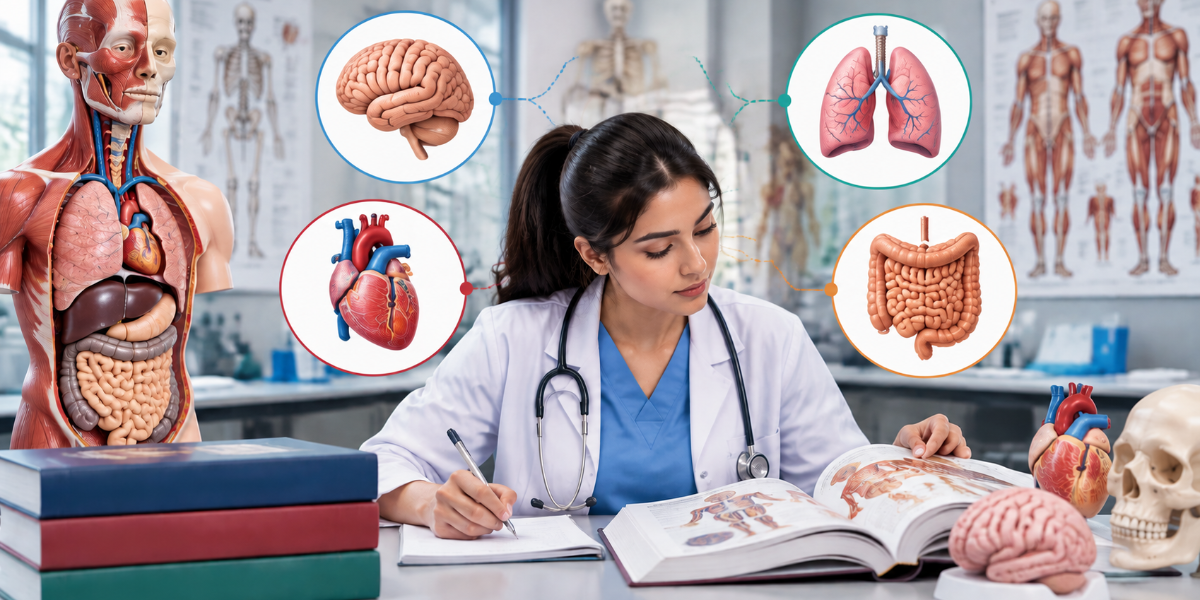
Biochemistry is closely connected to several other medical subjects, including:
A strong understanding of biochemistry makes it easier for students to connect concepts across these subjects as they progress through medical school.
The exact curriculum varies by medical college, but common topics in medical biochemistry include:
Carbohydrate metabolism: How the body breaks down and uses sugars for energy.
Protein and amino acid metabolism: How proteins are formed, broken down, and used for essential functions.
Lipid metabolism: How the body processes fats and cholesterol.
Enzymes: How biological catalysts speed up chemical reactions.
Vitamins and minerals: How micronutrients support normal body functions.
Molecular biology: How DNA, RNA, and protein synthesis contribute to cell function.
Clinical biochemistry: How biochemical measurements help investigate diseases and assess organ function.
These topics help students understand both normal body processes and the biochemical changes associated with illness.
Biochemistry can feel challenging because it involves scientific terminology, metabolic pathways, and detailed processes. A structured study approach can make the subject easier to understand.
The aim is not simply to memorise pathways. Students should be able to explain what each process does and how changes in that process may affect human health.
Yes. Biochemistry helps future doctors develop a scientific understanding of the human body and the processes involved in disease. It supports their learning in clinical subjects and helps them understand the principles behind many diagnostic tests and treatments.
Although doctors may not use every biochemical pathway directly in everyday practice, the concepts learned during MBBS help them interpret medical information, evaluate clinical findings, and make informed decisions.
Biochemistry is an important part of MBBS because it explains the chemical processes that maintain health and contribute to disease. From understanding metabolism and nutrition to interpreting laboratory investigations and learning how medicines work, it provides a foundation for many areas of medical practice.
For students beginning their medical education, developing a clear understanding of biochemistry can make later subjects easier to grasp. To learn more about this field within medical education, visit the Department of Biochemistry at AUMDC.