Date: Sep 24, 2026

MBBS is a five-year medical degree. Each year covers different subjects and areas of medical education, starting with basic medical sciences and gradually moving toward clinical subjects and patient care. Understanding how the five years are structured can help students know what to expect at each stage of the degree.
MBBS in Pakistan is a five-year undergraduate degree, and the way it's built is almost like constructing a building, you can't put up walls before you've laid the foundation, and you definitely can't add a roof before the walls exist.
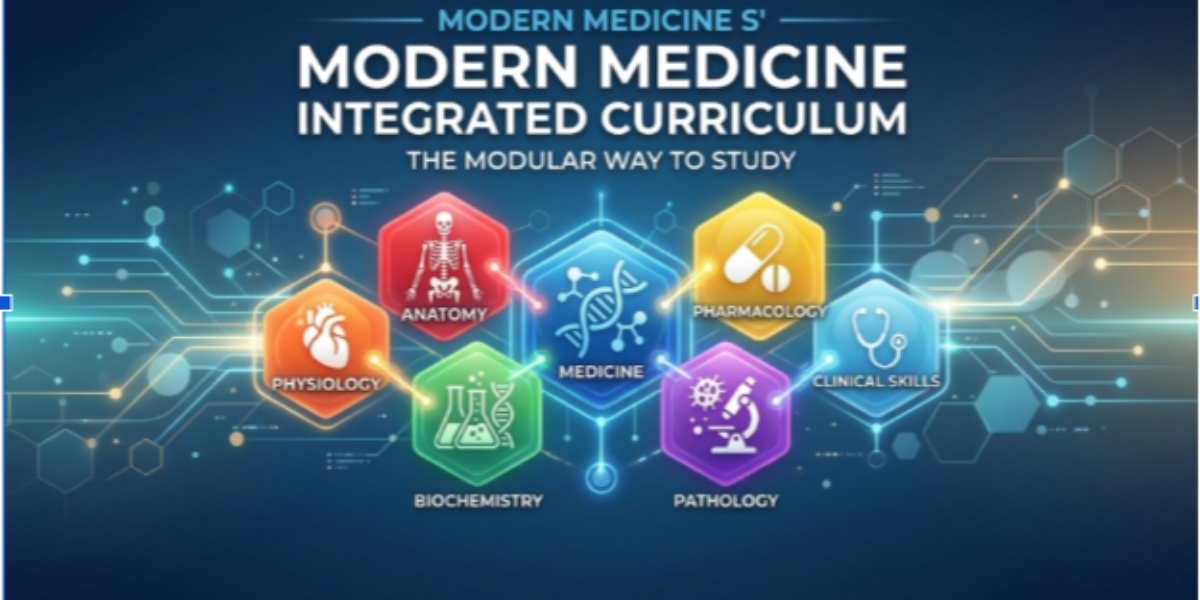
Every college does it slightly differently, some use integrated modules, some stick to the older subject-by-subject model, but the broad shape stays the same everywhere: anatomy, physiology, biochemistry, pathology, pharmacology, and then the big clinical subjects, medicine, surgery, obstetrics and gynaecology, paediatrics.
If you're a student trying to figure out what you're actually signing up for, or a parent trying to understand why your kid is buried in an anatomy atlas at midnight, this should clear things up.
Before we even get to first-year subjects, it's worth pausing on something students often skip past, how you actually get into MBBS in the first place. Eligibility, entry test requirements, merit calculations, documents, all of this varies depending on the institution and the regulations in place at the time, and I mean that literally, because I've seen requirements shift between one admission cycle and the next.
So here's my honest advice: don't rely on what your senior told you last year, or what a group chat said, because things do change. If you're looking at AUMDC specifically, they've laid out their admission process in detail, and that's worth a proper read before you start filling out forms based on assumptions.
Okay, now let's get into what you'll actually be studying.
The first year is where the shift really hits you. You've come from FSc or A-Levels, where biology feels manageable, and suddenly you're expected to know the human body down to the last nerve fiber. It's a jump, and pretending otherwise doesn't help anyone.
Depending on your college's curriculum, first year usually covers:
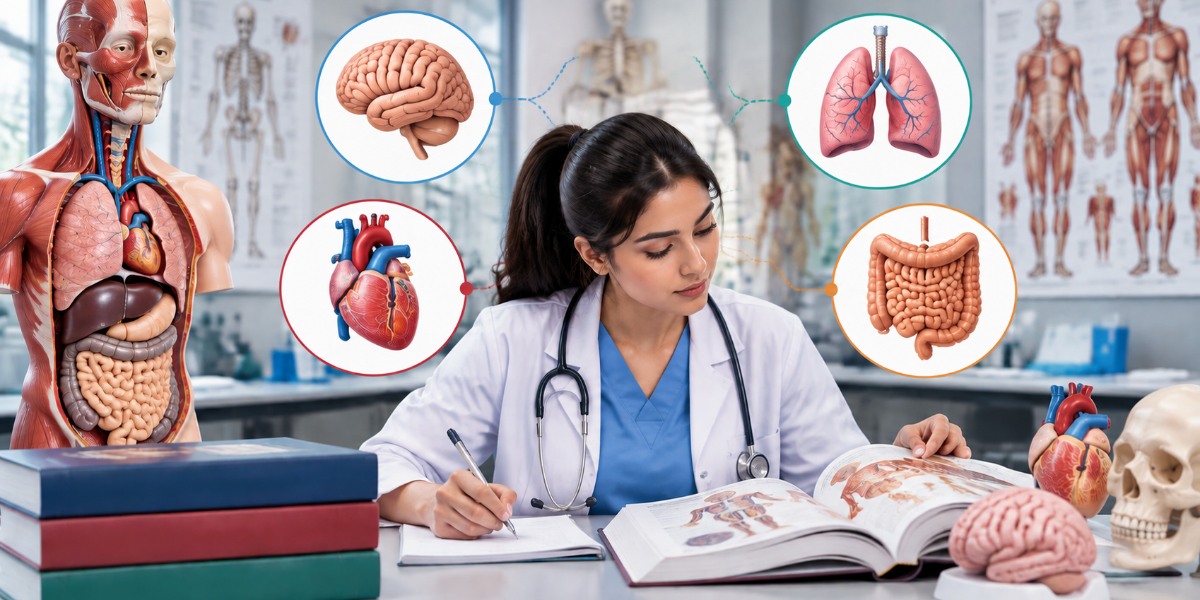
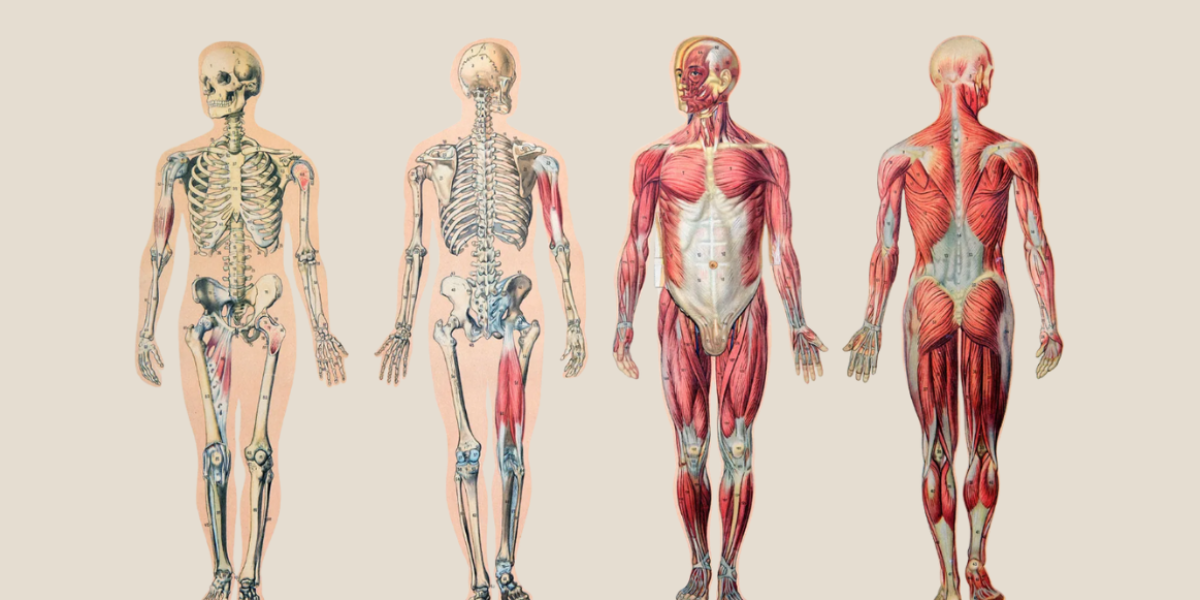
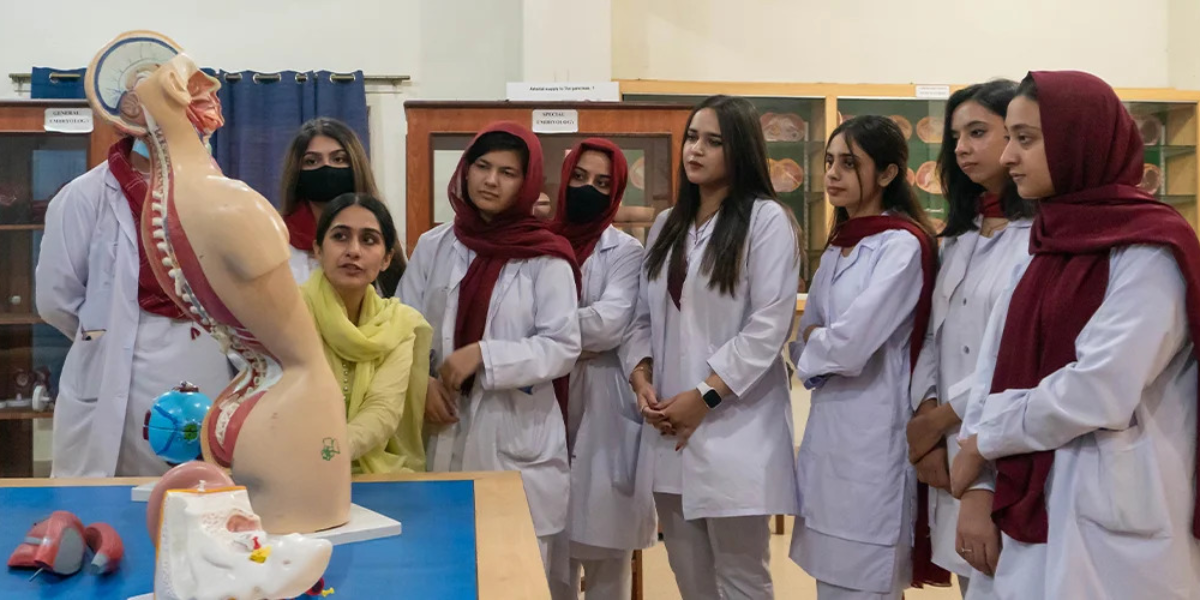
This is the subject everyone talks about before they even start MBBS, and for good reason. Anatomy is the study of the body's structure: bones, muscles, organs, nerves, blood vessels, and how everything sits relative to everything else.
You'll spend real hours with dissection, specimens, and models, and I won't lie to you, some students find this the hardest adjustment of the entire first year. It's not really about memorizing names either, it's about building a 3D map in your head that you'll keep referring back to for the rest of your career.
If anatomy tells you what's there, physiology tells you what it's doing. This is where you learn how the cardiovascular system pumps blood, how the lungs manage gas exchange, how the nervous system fires signals, how digestion actually works step by step.
Students who take physiology seriously in first year tend to have a much easier time later on, because almost every clinical subject you'll touch afterward assumes you already understand how a normal, healthy body functions.
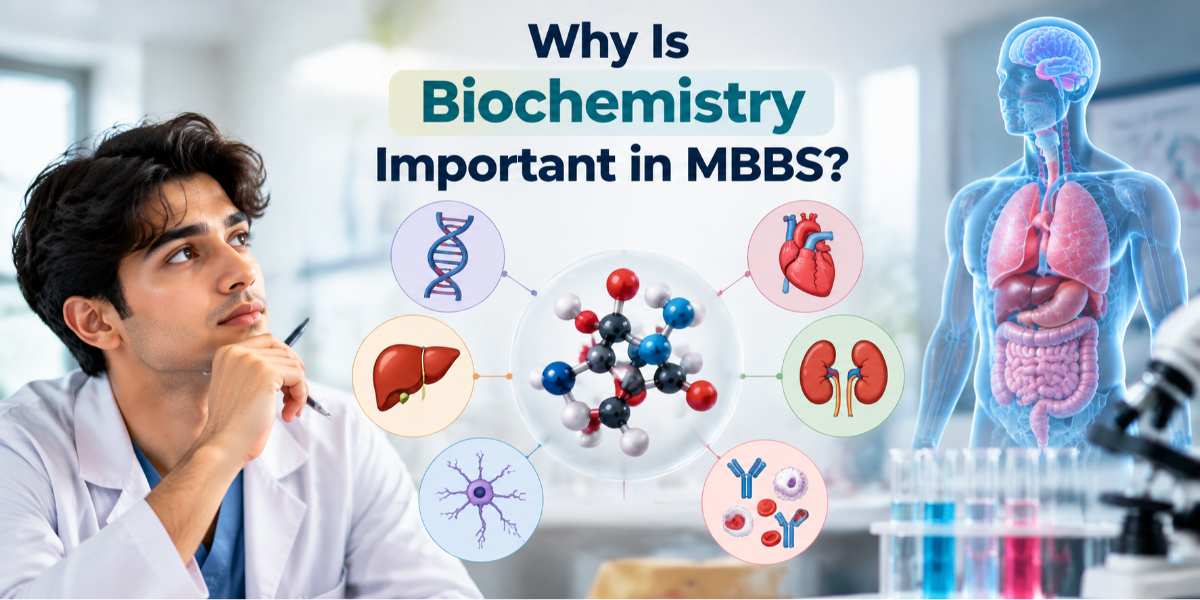
This one gets underestimated a lot, mostly because it feels the most "chemistry-like" and the least "medical." But biochemistry, metabolism, enzymes, proteins, vitamins, all of it, becomes the backbone for understanding lab reports and disease mechanisms later.
When a senior year student is interpreting a blood test result without blinking, that's biochemistry from first year quietly doing its job in the background.
Second year is a strange in-between phase. You're not brand new anymore, but you're also not close to clinical medicine yet. What actually happens here is that the foundation subjects deepen, and colleges start layering in early concepts of disease and drugs.
Depending on the university, this year may involve:
The real shift in second year isn't the subject list, it's how you're expected to think. Instead of treating anatomy, physiology, and biochemistry as three separate boxes, you start being asked to connect them.
Anatomy tells you the structure of the heart, physiology tells you how it pumps, and now you're beginning to understand what happens when something in that system goes wrong. That connective thinking is genuinely the whole point of second year, even if it doesn't feel that obvious while you're living through it.
Third year is where things get noticeably heavier, this is where disease, medicine, and law start entering the picture properly.
Common subjects at this stage include:
Exact distribution still depends on your specific college's curriculum, so don't panic if your neighbor's college is structured slightly differently.
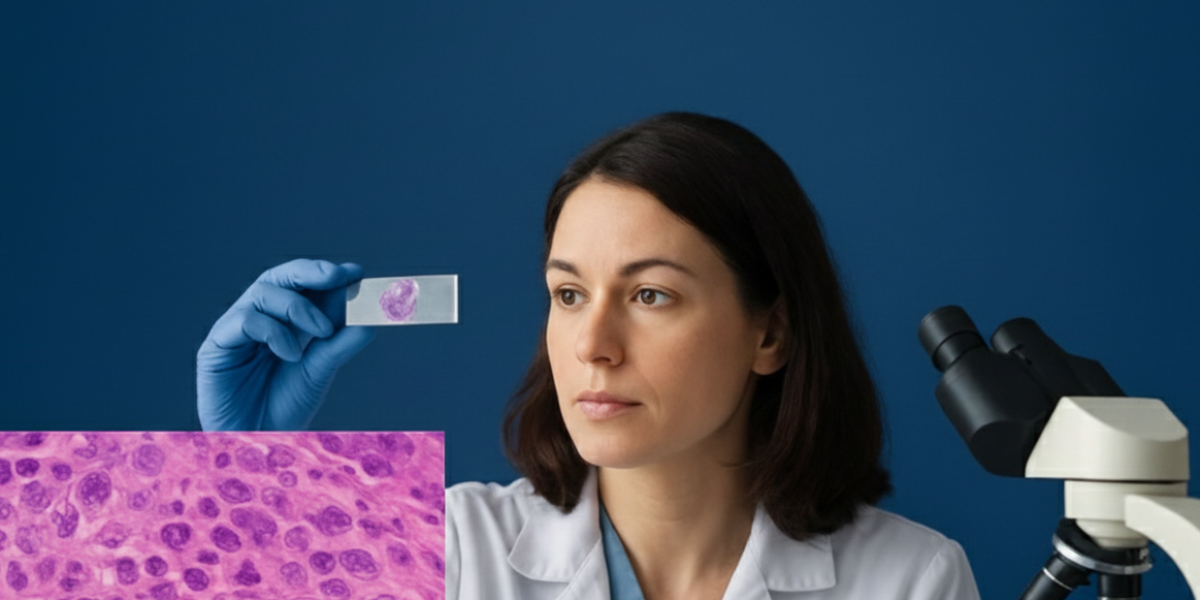
Pathology is essentially the study of what goes wrong, how disease changes cells, tissues, and organs. You'll learn about inflammation, infections, tumours, and how different body systems break down under disease. This is also where lab-based concepts like histopathology start becoming relevant, not just theoretical.
Here's where medicines finally take center stage. You'll go through drug classes, how they work in the body, what they're used for, their side effects, and when they shouldn't be given. I always tell students, pharmacology feels abstract in third year, but the moment you're standing next to a patient in fourth year, you'll be grateful you took it seriously.
This subject surprises a lot of students because it's less "biology" and more "law meets medicine." You'll study injuries, poisoning, identification, death investigation, and the kind of medico-legal documentation doctors are actually responsible for. It's the subject that reminds you medicine doesn't exist in a bubble, it has legal weight, and doctors need to understand that responsibility early.
Fourth year is the turning point everyone waits for, and also the year that catches people off guard the most. This is when you stop being purely a classroom student and start spending real time in hospital wards, observing and gradually participating in patient care under supervision.
Typical clinical areas at this stage include:
This is where all those earlier years of memorizing start actually paying off, or, honestly, where some students realize they memorized without understanding, which is its own hard lesson. During clinical training, students learn to take a patient's history, perform physical examinations, recognize clinical signs, build differential diagnoses, understand basic investigations, present cases to supervisors, and communicate properly with patients.
One thing I always stress to fourth-years: being on a clinical rotation does not mean you're practicing medicine independently. You're there to learn under supervision, and that supervision matters, for the patient's safety and for your own development.
Medicine deals broadly with diagnosing and managing disease without surgical intervention, while surgery handles conditions that need operative or procedural treatment. This is also the year students start realizing something textbooks don't fully prepare you for, real patients don't read the textbook. The same disease can look completely different from one patient to the next, depending on age, history, and a dozen other factors.
Final year is where clinical medicine takes over almost entirely, and it's meant to prepare you for the shift from student to supervised practitioner.
Subjects typically include:
You'll build directly on what you learned in fourth year, but now across a much wider range of conditions, cardiovascular, respiratory, gastrointestinal, nervous, endocrine, renal, musculoskeletal, and immune system disorders. The expectation shifts too: it's no longer enough to know facts, you need to connect patient history, examination findings, investigations, and treatment principles into one coherent picture.
Surgical training builds on earlier foundations, common surgical conditions, pre-operative assessment, post-operative care, and surgical emergencies all come into focus. Any actual procedures you take part in stay strictly within your level of training and always under supervision, that's non-negotiable at this stage.
This covers pregnancy, childbirth, and conditions affecting the female reproductive system, antenatal care, normal labour, obstetric complications, gynaecological disorders, and reproductive health more broadly.
Paediatrics is entirely about children, growth and development, childhood illnesses, nutrition, infections, and paediatric emergencies. Kids aren't just small adults medically, and this subject drives that point home fairly quickly.
If I had to explain the whole five years in one sentence, it'd be this: the focus keeps shifting from what the body is to what happens when it goes wrong to what you do about it in front of an actual patient.
First and second year, you're building the foundation, understanding how a normal body is structured and functions.
Third year, the focus moves toward disease, medicines, and the applied, sometimes legal, side of medicine.
Fourth and final year, clinical medicine takes over, with real exposure to hospitals, patients, and supervised decision-making.
So no, MBBS isn't just a new list of subjects handed to you every year. The way you're expected to think and learn genuinely evolves as you move through it.
Here's something students don't hear often enough, memorizing textbooks will get you through exams, but it won't make you a good doctor on its own. Over five years, you're also expected to build:
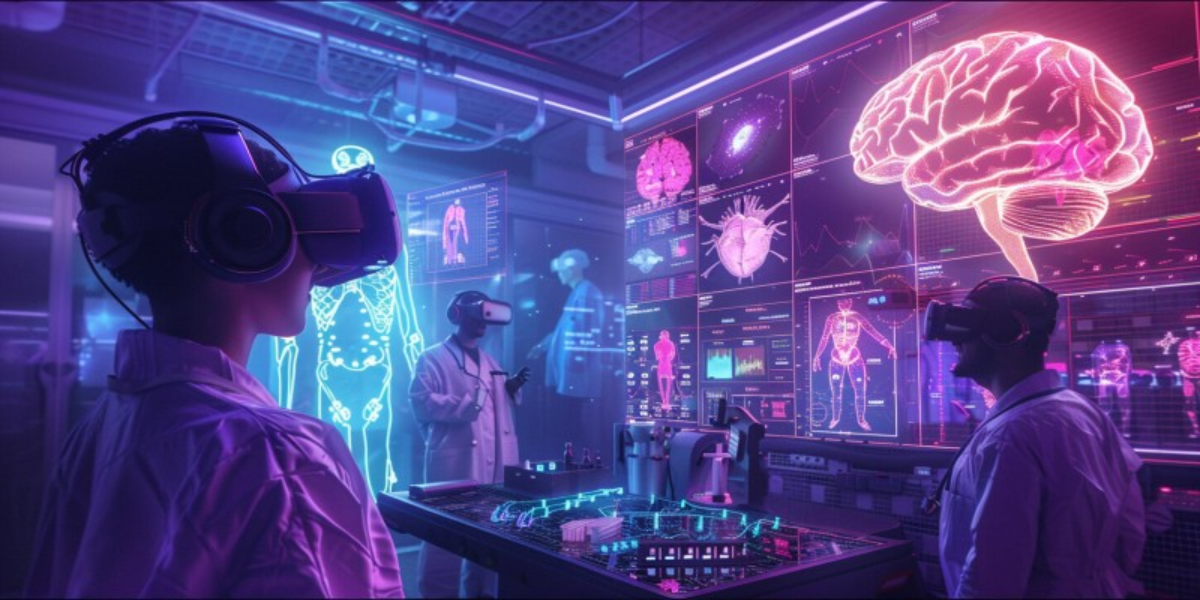
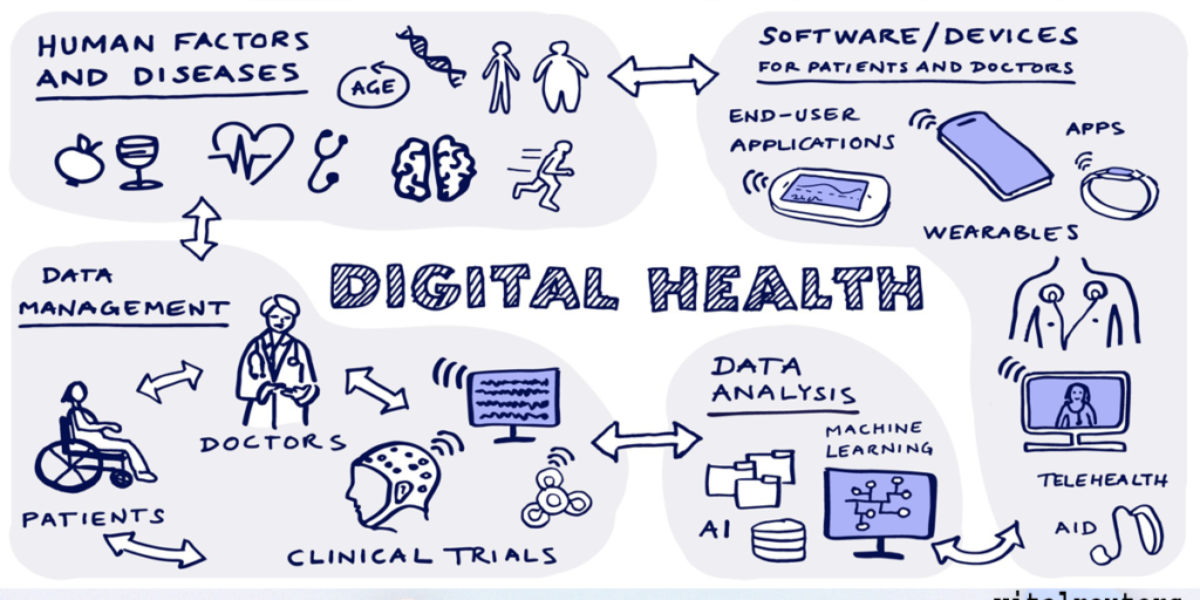
And increasingly, technology is becoming part of this conversation too, simulation tools, AI-assisted learning, wearable tech, virtual platforms. None of it replaces the fundamentals, but it's shaping how medical education looks going forward.
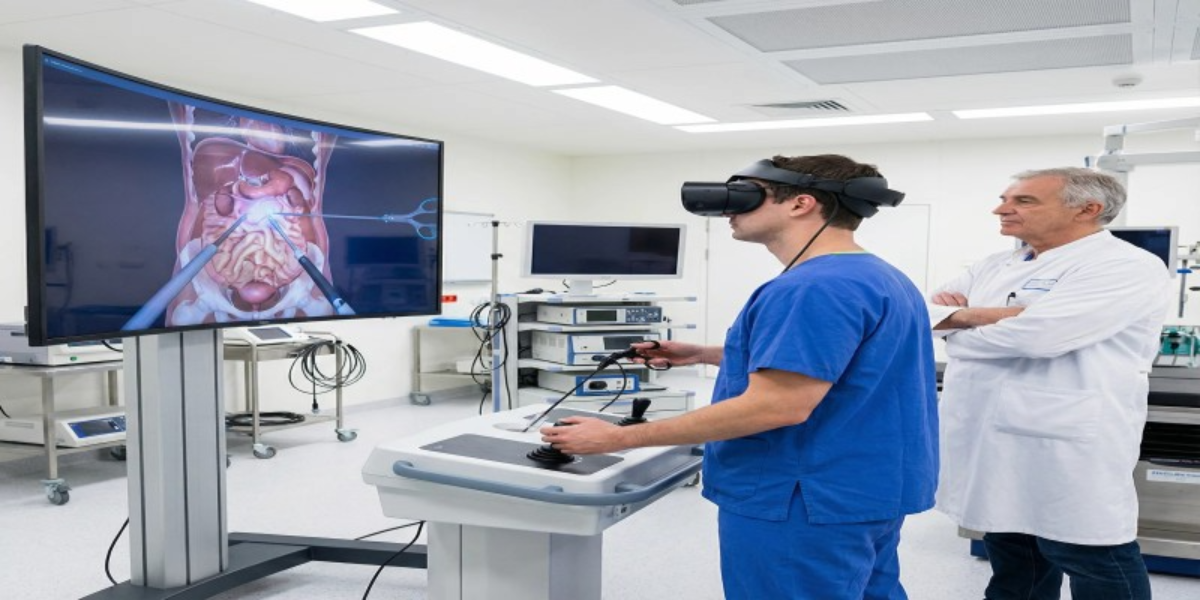
Simulation-based learning gives students a controlled space to practice clinical skills before facing the real, unpredictable environment of an actual ward. Depending on the institution, this might involve mannequins, procedural models, simulated clinical scenarios, or virtual environments.
To be clear, simulation doesn't replace hands-on clinical exposure. Think of it more as a rehearsal space, somewhere students can practice, get feedback, and repeat a skill in a structured setting before doing it with a real patient watching.
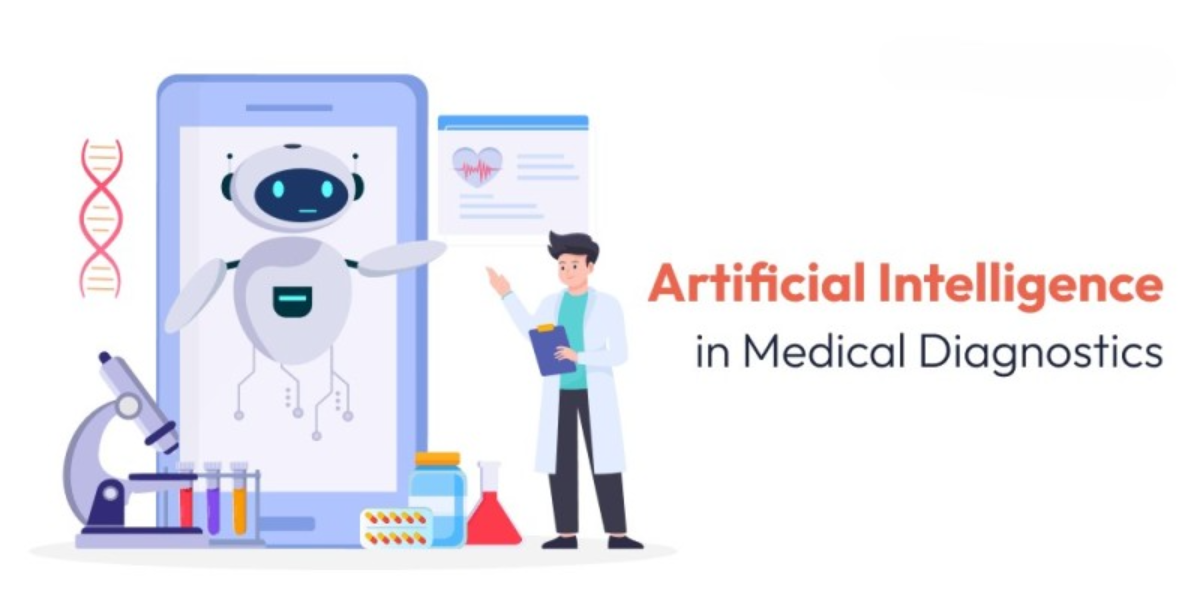
AI keeps coming up in medical education conversations lately, and it's a fair topic to raise. It's being explored in educational tools, research, data analysis, and even clinical decision-support systems.
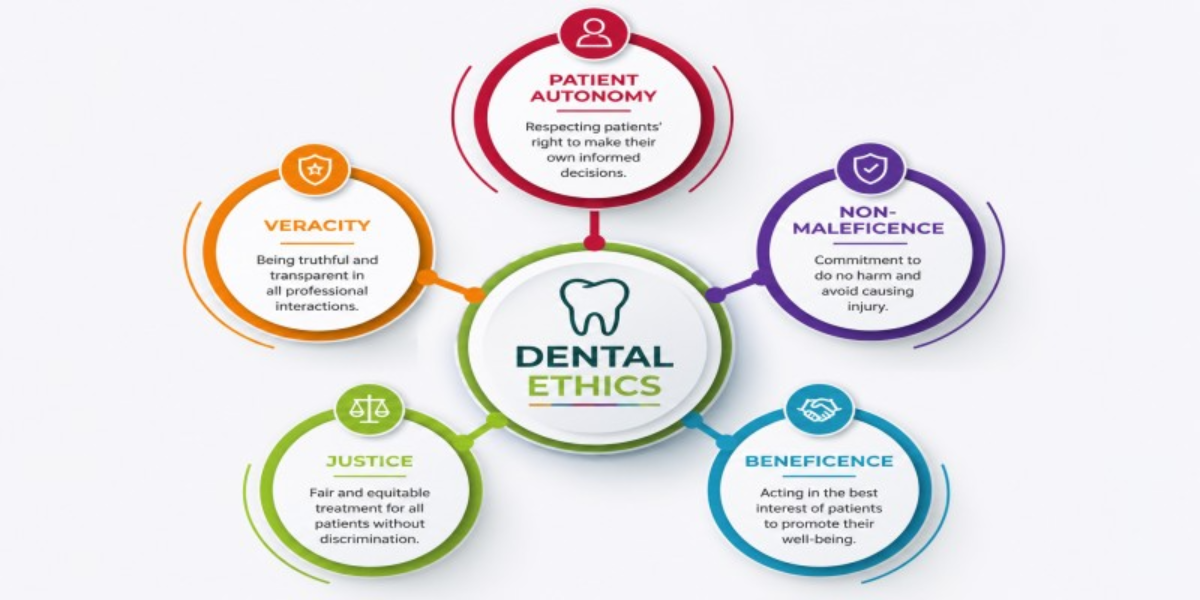
But here's the thing I'd tell any student getting excited or worried about this, none of it removes the need for a strong grounding in anatomy, physiology, pathology, and clinical reasoning. Technology can support how you learn and work, but it doesn't replace the responsibility of actually understanding your patient and making sound decisions within a proper ethical framework.
There's a difference worth being clear about, a subject is an academic area in your curriculum, while clinical training is where you actually learn to apply that knowledge to real patients, under supervision.
For instance, you study pharmacology in a classroom, then later encounter actual medicines being prescribed in a clinical case. Anatomy gives you the structural knowledge you'll rely on when examining a patient or understanding a surgical procedure. That link between theory and real application is really the heart of medical education, everything before clinical years is, in a sense, preparation for this connection to click.
Finishing the five-year MBBS is a genuine milestone, but it isn't the finish line, it's more like the end of one chapter. Graduates need to complete the applicable registration and supervised practice requirements before moving forward.
For those interested in specializing further, postgraduate training is the next step, options span medicine, surgery, paediatrics, obstetrics and gynaecology, radiology, pathology, and many other fields. The exact pathway depends on current regulatory and institutional requirements, which is another reason to stay updated rather than relying on outdated information from a few years back.
How many years is MBBS in Pakistan?
MBBS is generally a five-year undergraduate medical degree, followed by the applicable requirements for registration and supervised medical practice.
What subjects are taught in MBBS?
MBBS covers anatomy, physiology, biochemistry, pathology, pharmacology, forensic medicine, community medicine, medicine, surgery, obstetrics and gynaecology, paediatrics, and other clinical disciplines depending on the institution.
Which year of MBBS has clinical subjects?
Clinical exposure increases significantly in the later years, particularly fourth and final year, though the exact distribution varies between colleges.
Is Anatomy part of MBBS in Pakistan?
Yes, anatomy is one of the core foundational subjects taught early in the MBBS programme.
Is MBBS only about memorising subjects?
No. Along with academic content, students develop clinical reasoning, communication, practical skills, professional ethics, and patient-care abilities throughout the five years.
Do MBBS subjects differ between medical colleges?
Yes, subject names, sequencing, and assessment structures can vary between institutions, though all of it operates within the applicable regulatory framework.
MBBS subjects in Pakistan are structured to take students step by step from basic medical sciences into full clinical medicine. The early years build a foundation in anatomy, physiology, and biochemistry, while later years bring in pathology, pharmacology, and increasingly complex clinical work.
By fourth and final year, students are spending real time applying everything they've learned directly to patient care, which is really the whole point of the five years. If you're considering MBBS, understanding this year-wise structure should make the degree feel a lot less like an unknown mountain and more like a path you can actually picture yourself walking. And when you're ready to take that first step, it's worth reviewing the admission process properly before you apply.