Date: Oct 10, 2026
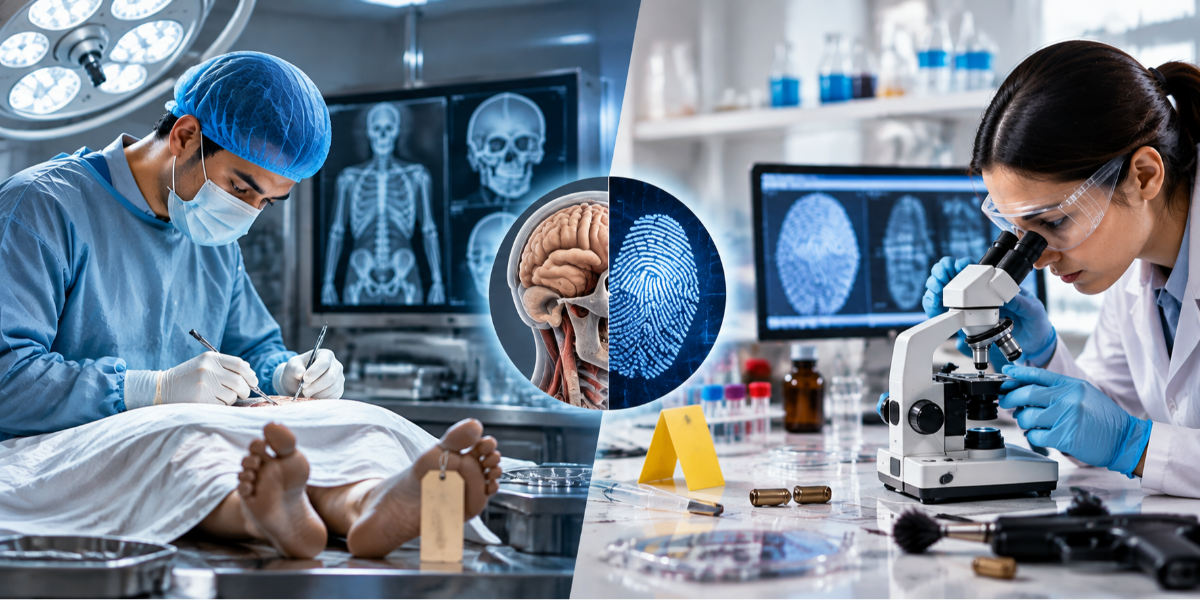
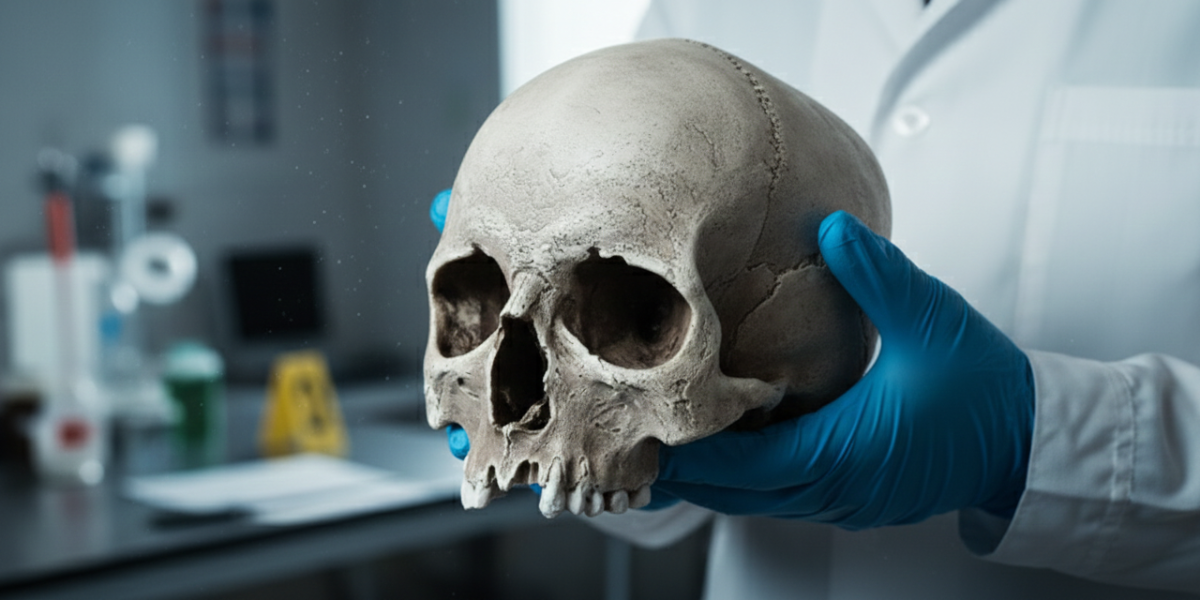
Forensic medicine and forensic science both play important roles in legal investigations, but they are not the same. Forensic medicine focuses on applying medical knowledge to legal questions, such as examining injuries, determining the cause of death, and assessing medical evidence. Forensic science is a broader field that uses scientific methods to examine evidence that may help investigators understand what happened during an incident.
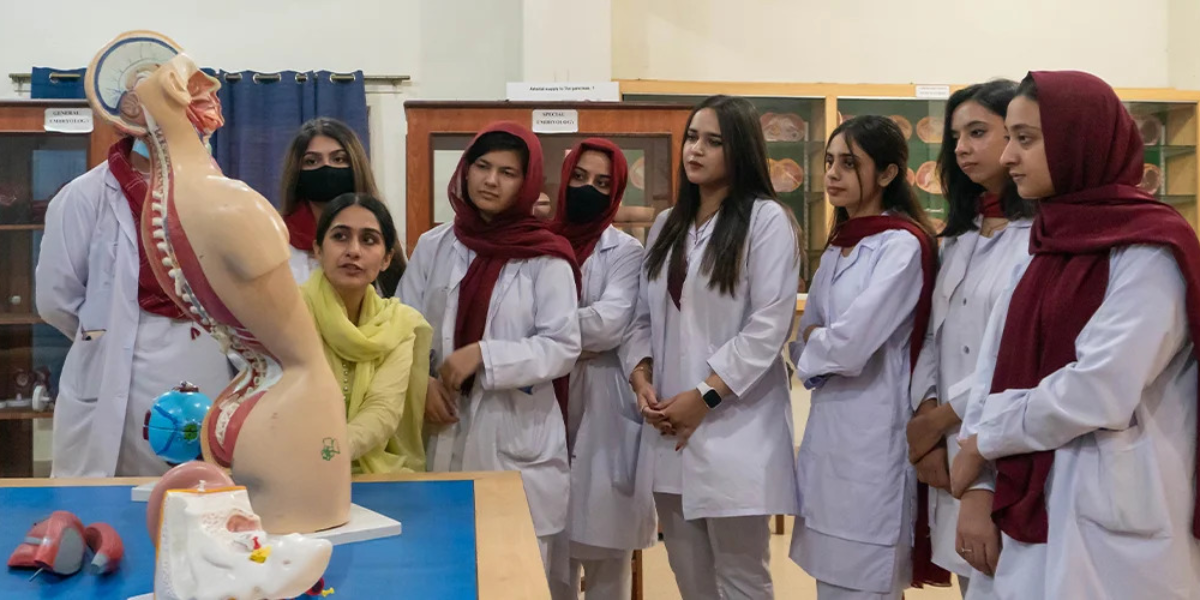
Understanding the difference between these two fields is useful for MBBS students and anyone interested in medicine, criminal investigations, and the legal system.
Forensic medicine is the application of medical knowledge to legal matters. It helps explain injuries, deaths, and other medical findings that may be relevant to a criminal or civil case.
Doctors working in forensic medicine may examine injured individuals, conduct post-mortem examinations where authorised, document medical findings, and prepare reports for legal proceedings. They may also provide expert opinions in court when required.
Forensic medicine is an important part of medical education because doctors need to understand their legal responsibilities, the proper documentation of injuries, and the relationship between healthcare and the justice system.
Students can explore this subject through the Department of Forensic Medicine at AUMDC, where forensic medicine forms part of the broader study of medical sciences.
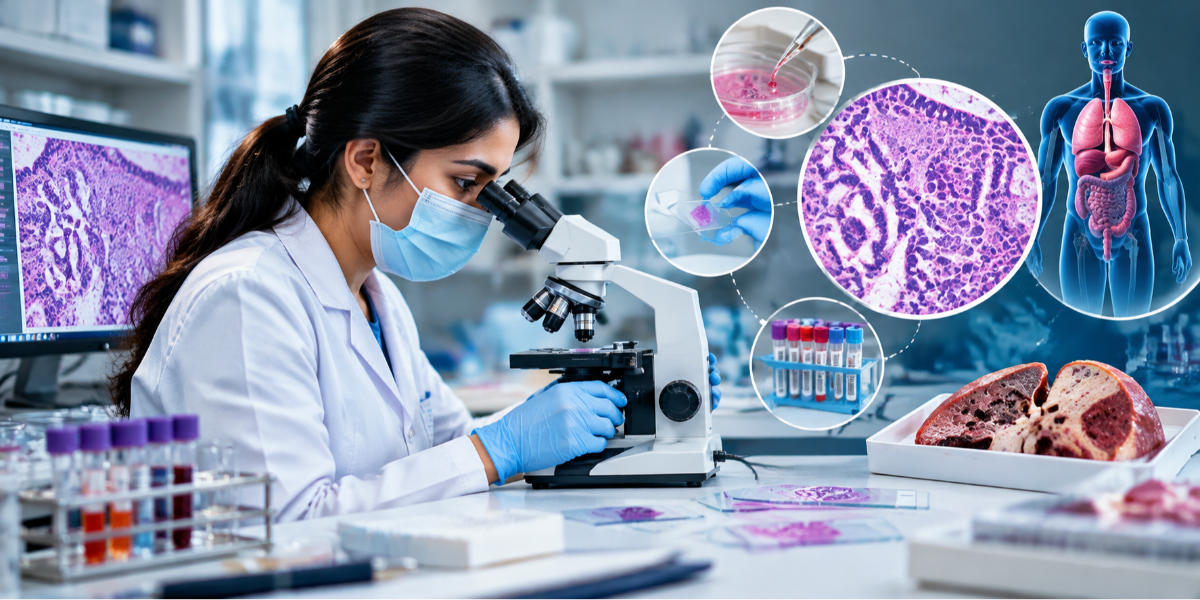
Forensic science uses scientific techniques to examine and interpret evidence related to legal investigations. It draws on different disciplines, including biology, chemistry, physics, genetics, and analytical science.
Forensic scientists may examine fingerprints, DNA samples, fibres, chemical substances, digital evidence, and other materials collected during an investigation. Their work can help establish connections between people, objects, locations, and events.
Forensic science includes several specialised areas, such as:
The exact methods used depend on the type of evidence and the question being investigated.
Although the fields can overlap, their main focus and professional responsibilities differ.
|
|
|
|
|
|
|
|
|
|
|
|
|
|
|
|
|
|
|
|
|
|
|
|
|
|
|
|
Both fields require careful evidence handling, accurate documentation, and objective interpretation. Neither should draw conclusions beyond what the available evidence can support.
Forensic medicine can help answer important questions about injuries, deaths, and medical circumstances surrounding an incident.
A forensic medical practitioner may examine injuries and document their location, appearance, and severity. These findings can help legal authorities understand the nature of an injury, although the findings may not always establish exactly how or when it occurred.
A post-mortem examination may help establish the medical cause of death and identify relevant injuries or disease processes. The examination and interpretation must follow applicable laws, procedures, and professional standards.
Medical findings and appropriate laboratory tests can help investigate suspected poisoning or exposure to harmful substances. Forensic toxicology may contribute laboratory evidence to this process.
Forensic medical practitioners may prepare reports that explain examination findings in clear, factual language. These reports can assist legal authorities in understanding the medical aspects of a case.
When required, appropriately qualified practitioners may explain their findings and professional opinions in court. Their responsibility is to provide an impartial account supported by the evidence.
Forensic science helps investigators examine physical and biological evidence using established scientific methods.
For example, DNA analysis may help determine whether biological material is consistent with a particular individual. Fingerprint comparisons may help assess whether a print matches a known reference. Toxicology testing may identify substances in a biological sample.
Scientific findings must be interpreted carefully. The reliability of a result depends on factors such as sample quality, laboratory procedures, contamination risks, and the limitations of the method used.
Forensic science does not automatically prove that a person committed an offence. Its findings are considered alongside other evidence gathered during an investigation.
Yes. The two fields may work together when a case requires both medical interpretation and scientific analysis.
For example, when a person dies under suspicious circumstances, a forensic medical practitioner may conduct a post-mortem examination and document the injuries or other medical findings. A forensic laboratory may separately analyse biological samples or test for drugs and toxic substances.
The results from these different examinations can help investigators develop a clearer understanding of the case. Collaboration is particularly important when evidence from several disciplines needs to be considered together.
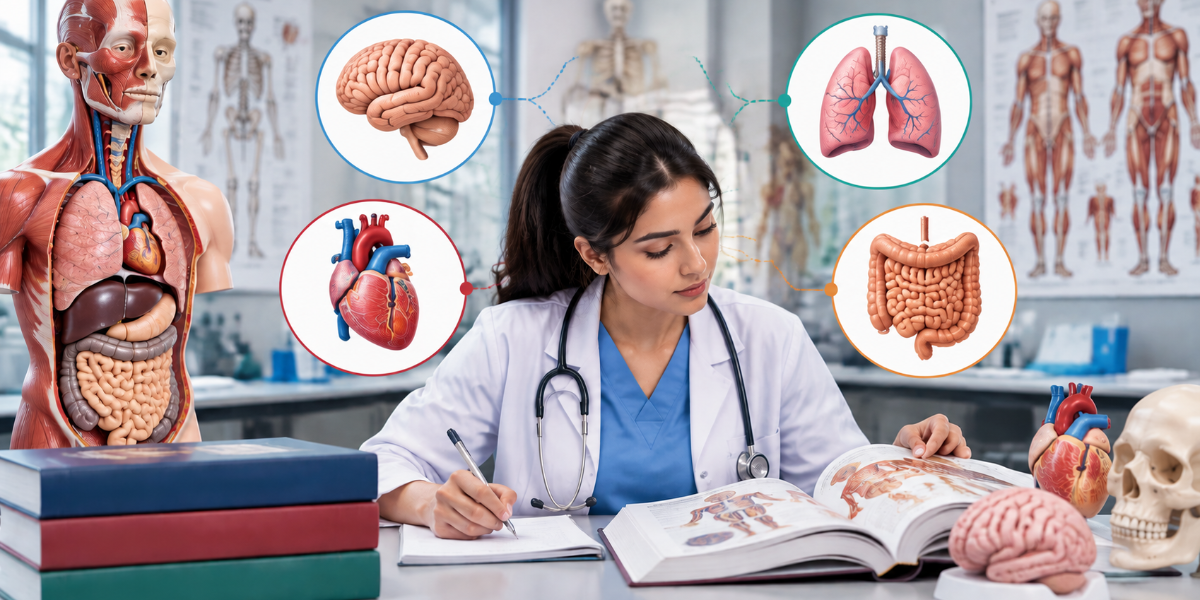
Forensic medicine introduces MBBS students to the medical and legal aspects of healthcare. Depending on the curriculum, students may study:
This knowledge helps future doctors understand how medical findings may be used in legal proceedings and why accurate documentation is essential.
Students interested in this subject can learn more about the Department of Forensic Medicine at AUMDC.
Your choice depends on your interests and educational goals.
Choose the medical pathway if you want to study medicine, understand the medical causes of injuries and death, and explore the legal responsibilities of doctors. Forensic medicine is generally studied within medical education and may require further relevant training for specialist practice.
Explore forensic science if you are more interested in laboratory investigations, DNA analysis, chemical testing, fingerprints, or other scientific methods used to examine evidence. The appropriate educational pathway depends on the forensic specialisation and the requirements of the relevant employer or institution.
These fields can complement each other, but their qualifications and career routes are different. Before choosing a program, review its curriculum, admission criteria, and professional requirements.
Forensic medicine and forensic science both contribute to legal investigations, but they approach evidence from different perspectives. Forensic medicine applies medical expertise to questions involving injuries, death, and other health-related findings. Forensic science uses scientific techniques to examine evidence such as DNA, fingerprints, chemicals, and digital information.
For MBBS students, forensic medicine provides an important understanding of how medical knowledge connects with law, professional ethics, and the justice system. To learn more about this subject in medical education, visit the Department of Forensic Medicine at AUMDC.