Date: Oct 02, 2026
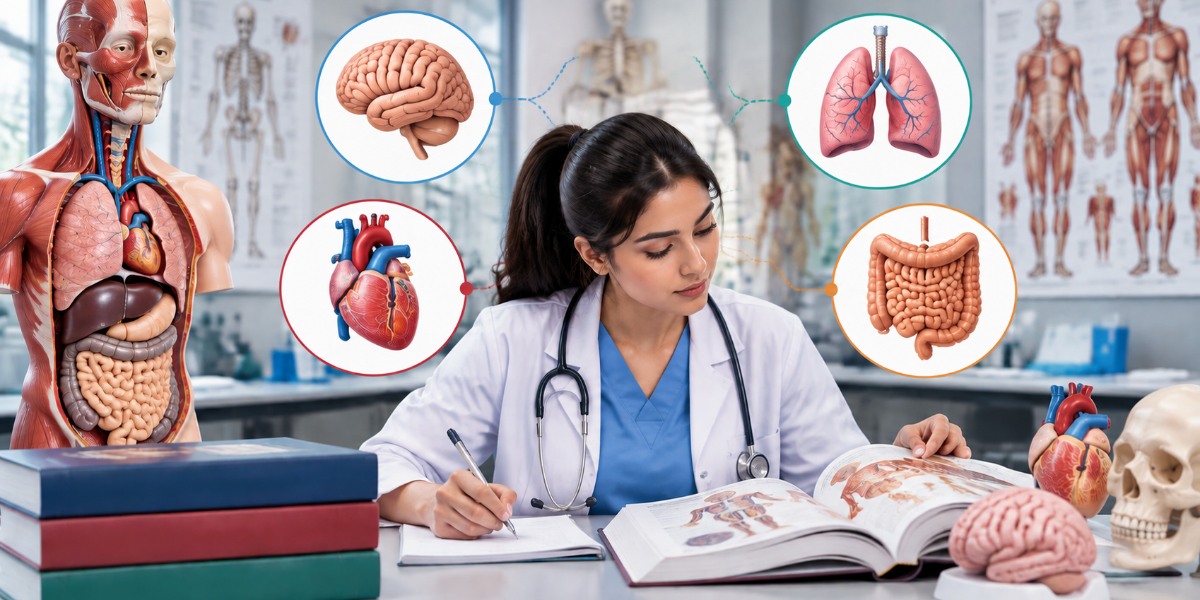
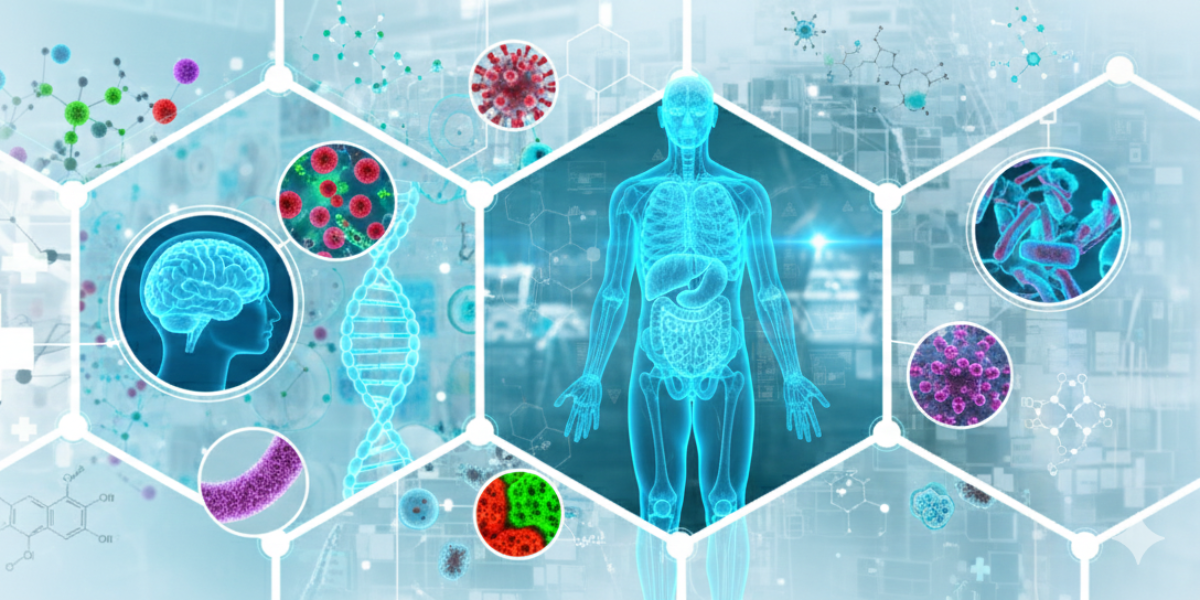
Anatomy is one of the first major subjects medical students study in MBBS. It helps students understand the structure of the human body, including the bones, muscles, organs, blood vessels, nerves, and other body parts.
For future doctors, learning anatomy is not simply about memorizing names. It creates the foundation needed to understand how diseases affect the body, how clinical examinations are performed, and how medical procedures are carried out.
Anatomy is the study of the structure of the human body. It explains where different organs and body parts are located, how they are connected, and how their structures relate to one another.
For example, anatomy helps students understand the location of the heart inside the chest, the arrangement of abdominal organs, the structure of the brain, and the pathways of important nerves and blood vessels.
Medical anatomy is closely connected with other subjects such as physiology, pathology, surgery, radiology, and clinical medicine.
Anatomy provides the structural foundation for medical education. Students need a clear understanding of the body before they can fully understand many diseases and treatments.
Some important reasons students study anatomy include:
A strong foundation in anatomy can help students connect what they learn in basic medical sciences with their later clinical training.
The anatomy syllabus can vary between medical institutions and curricula, but MBBS students generally study several major areas of the human body.
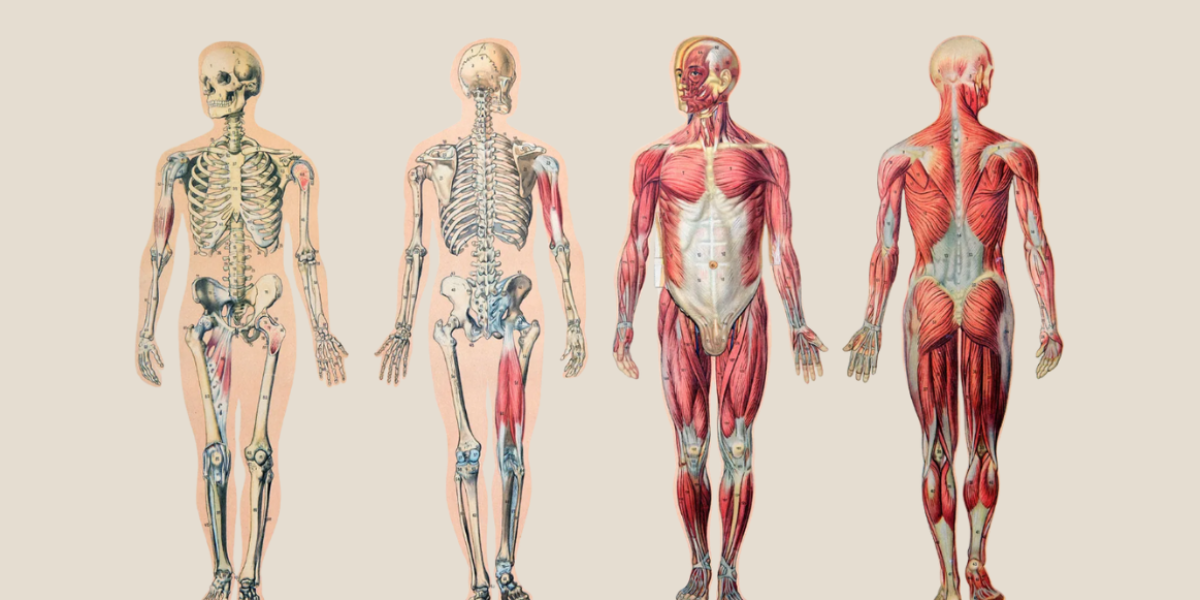
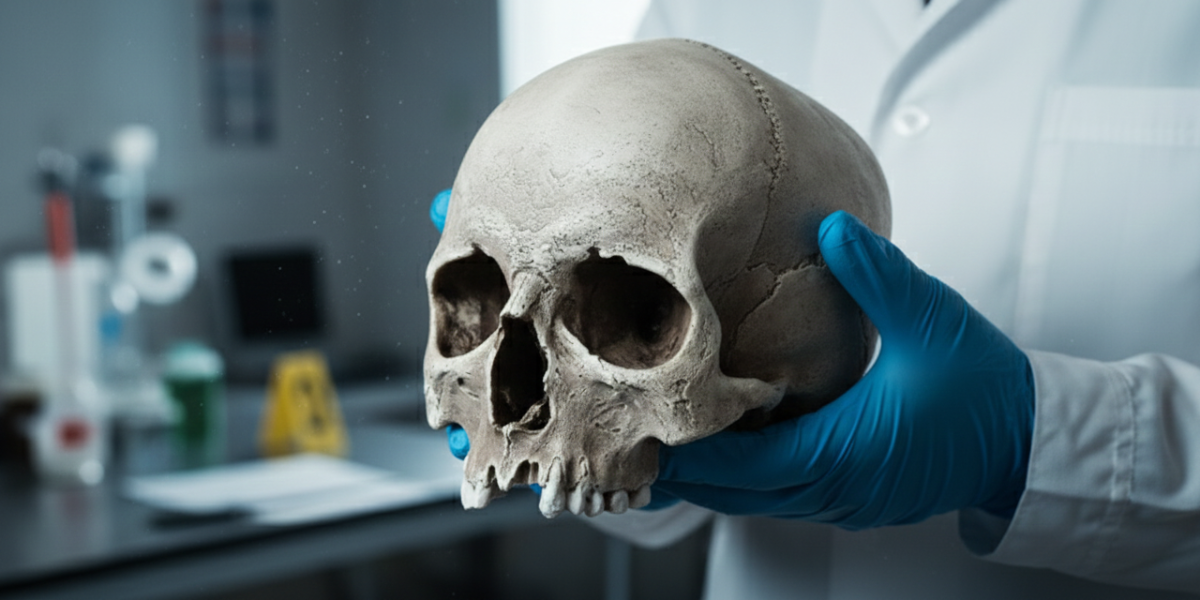
Students begin by learning about the human skeleton and individual bones. They study the names, shapes, locations, and important features of bones.
This knowledge is useful when learning about fractures, joint problems, physical examinations, and orthopedic conditions.
Students learn about major muscles of the body, their locations, attachments, and functions.
Understanding muscles becomes important when studying movement, injuries, rehabilitation, and conditions affecting the musculoskeletal system.
Anatomy also covers the different types of joints and how they connect bones.
Students learn about structures such as the knee, shoulder, hip, and elbow. This provides useful background for understanding joint injuries and other musculoskeletal problems.
The nervous system is another important part of anatomy. Students learn about the brain, spinal cord, nerves, and their major pathways.
This foundation helps students understand neurological conditions and later study areas such as neurology and neurosurgery.
Students study the structure of the heart and the major blood vessels that carry blood throughout the body.
They learn about the chambers of the heart, major arteries and veins, and the general arrangement of the circulatory system.
The anatomy of the respiratory system includes structures such as the nose, trachea, lungs, and related airways.
Understanding these structures helps students build a foundation for learning about breathing disorders and respiratory diseases.
Students also study the organs involved in digestion, including the stomach, intestines, liver, pancreas, and related structures.
This knowledge is important when studying digestive diseases and clinical conditions later in the MBBS program.
Anatomy covers the kidneys, urinary tract, and reproductive organs. Students learn the location, structure, and relationships of these organs within the body.
This provides the foundation for subjects related to kidney health, urinary disorders, reproductive health, and surgery.
Gross anatomy focuses on body structures that can generally be seen without a microscope.
During their studies, medical students examine structures such as:
Gross anatomy gives students a practical understanding of how different parts of the body are arranged.
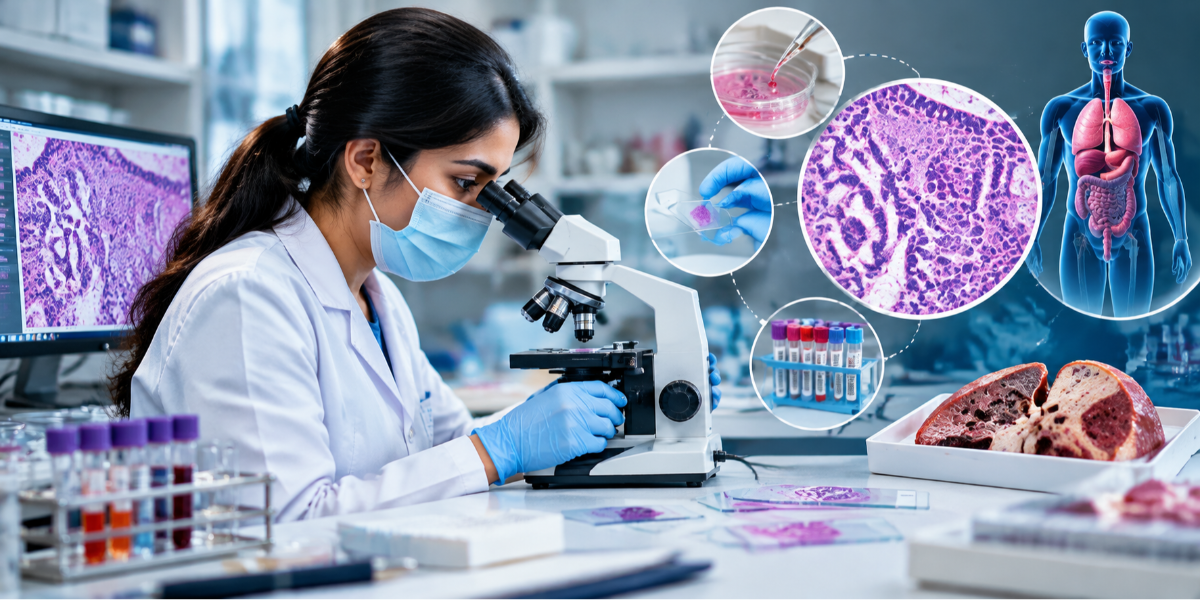
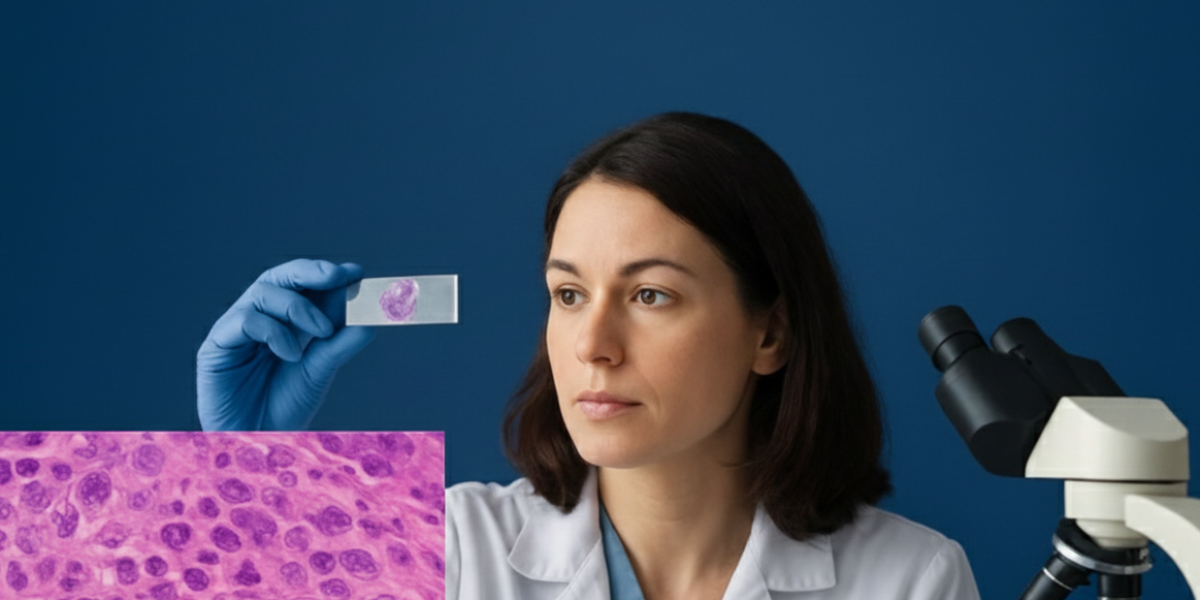
Microscopic anatomy focuses on structures that cannot be seen clearly with the naked eye. It includes areas such as tissues and cells.
Although anatomy primarily deals with body structure, microscopic study helps students understand how tissues are organized at a smaller level.
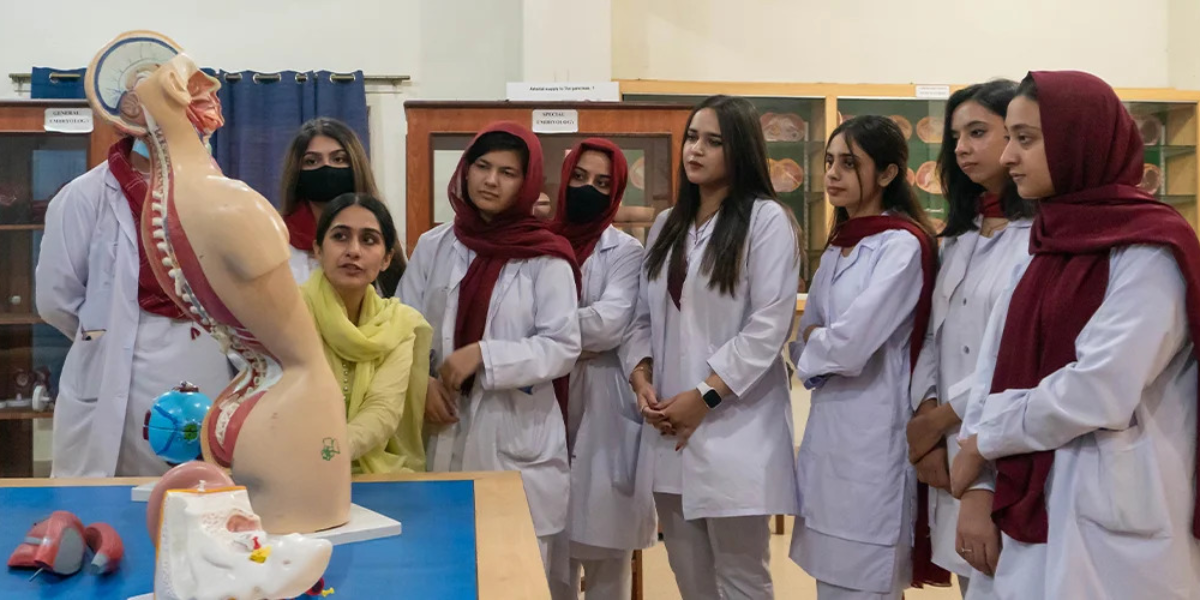
Practical anatomy education may include laboratory-based learning, anatomical models, specimens, images, and dissection or prosection depending on the institution and curriculum.
Practical learning allows students to connect textbook diagrams with the actual three-dimensional arrangement of structures in the human body.
This is particularly important because the human body is complex, and structures that appear simple in a diagram can have complicated relationships with nearby organs, nerves, and blood vessels.
Anatomy is not limited to the first part of medical school. Its concepts continue to be useful throughout a doctor's education and clinical practice.
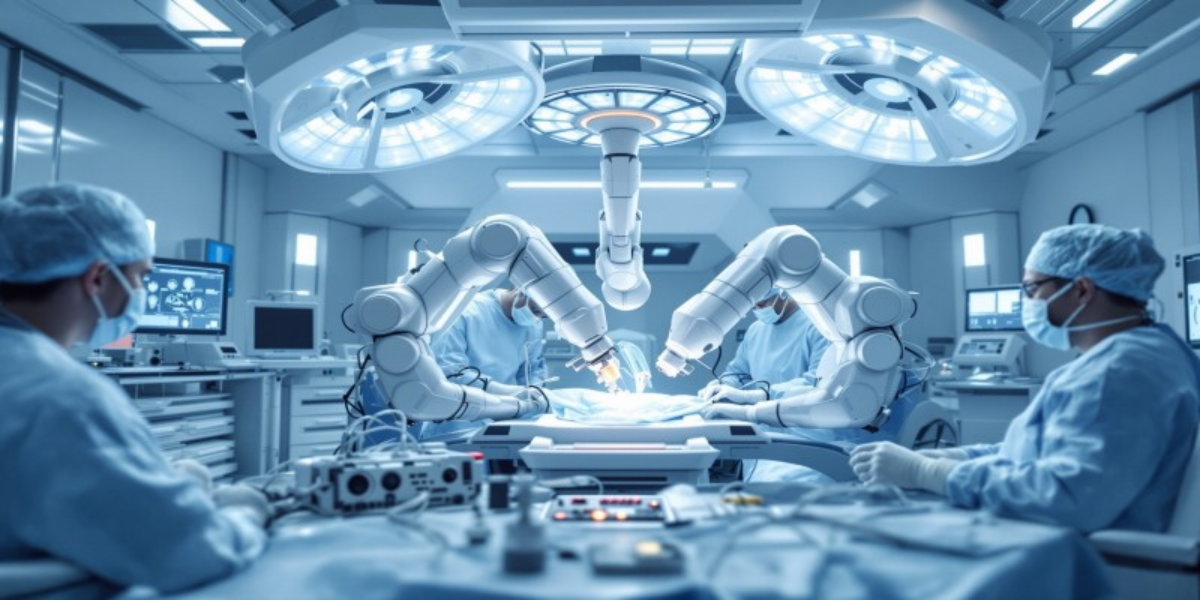
For example, a doctor examining a patient needs to know where organs and structures are located. A surgeon needs detailed knowledge of the body's structures before performing an operation. Similarly, understanding anatomy helps doctors interpret medical images and identify abnormal findings.
This is why anatomy is often considered one of the fundamental subjects of medical education.
Students interested in understanding how anatomy is taught at Ameer-ud-Din Medical College can explore the AUMDC Department of Anatomy for information about the department and its role in MBBS education.
Anatomy can be challenging because students have to learn a large number of structures, terms, and relationships.
However, studying anatomy becomes easier when students focus on understanding rather than memorizing isolated names.
Helpful approaches include:
Regular revision is particularly useful because students encounter anatomy repeatedly during later clinical subjects.
A doctor needs to understand the body's normal structure before recognizing what has changed because of injury or disease.
Anatomy supports many areas of medicine, including surgery, radiology, emergency medicine, orthopedics, neurology, cardiology, and general clinical practice.
For MBBS students, it is therefore more than an examination subject. It is a basic part of learning how the human body is organized and how doctors assess and treat patients.